Two generations of viewpoints on “Friends,” now on Netflix

For many Gen Xers, the TV show Friends defined an era, our era.

The show started airing in September 1994, during my last year in high school.

Netflix all ten seasons just this month, January 2018, coincidentally my teenage daughter’s last year in high school.

To me back then, the show served as a special preview of “the world out there,” i.e., adult life. For my daughter, with whom I watched some episodes, it serves as a point of conparison between the issues she faces today and those I faced during my formative years.

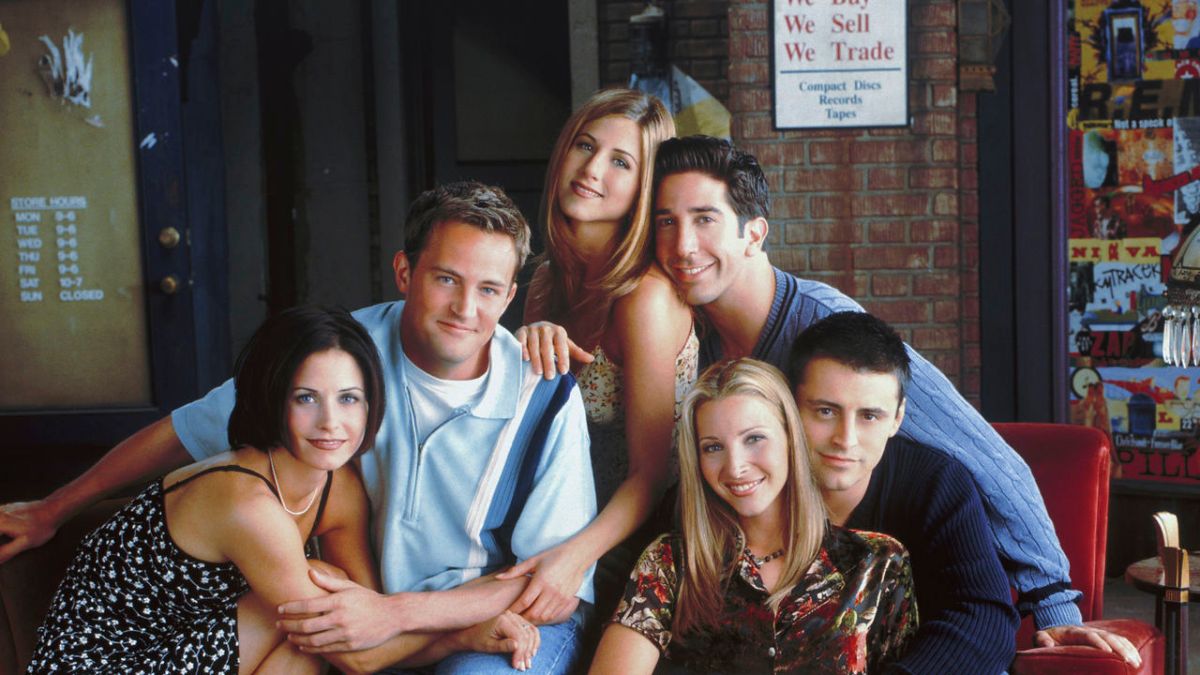
The story kicked off when spoiled “daddy’s girl” Rachel Green (Jennifer Aniston) runs out of her wedding and (while still in her wedding dress) goes looking for her high school best friend (Monica Geller).

Monica, despite having lost contact with Rachel after high school, good-heatedly welcomed her into her home and into the gang composed of Monica’s brother Ross (David Schwimmer) who was traumatized by his divorce from his wife who turned out to be a lesbian, the boys who live across the hall Chandler Bing (Matthew Perry) who was Ross’ roommate in college and struggling actor Joey Tribbiani (Matt LeBlanc), and Monica’s cooky ex-roommate Phoebe Buffay (Lisa Kudrow).

Throughout the show’s ten-season run, the six friends navigated their way through life in New York City: found and lost jobs, started and ended relationships, and found and reinvented themselves.

While today, my daughter and her peers found the show’s jokes about “Fat Monica,” homosexual relationships and transgender identity problematic, back then, I was amazed these themes were being shown at all.

I was inspired by Monica’s transformation from an obese teen to a slim and confident chef (and I’m still perplexed as to how she was able to maintain her size despite being constantly surounded by food).

I found the decision of Ross’ ex-wife to raise their child with her lesbian partner, and later Rachel’s to be a working unwed mother brave.

I understood Chandler’s resentment of his father Charles’ transition to Helena Handbasket; after all, the announcement of her separation from Chandler’s mom was done after Thanksgiving dinner when Chandler was nine, hardly the epitome of sensitivity to the child’s sensibilities.

Despite the differences in the lenses that we view this iconic show, some themes are constant: the importance of friendship, acceptance of oneself and others, and growing up.

Related articles:
Grimm Season 6 now streaming on Netflix

At last! After nearly a year of waiting, the final season of Grimm is now streaming on Netflix here in the Philippines!

I have faithfully followed this show since it started in 2011, never missing an episode despite work or family obligations.  As can be gleaned from the fangirlish tone of various episode recaps I found myself posting, it’s safe to say that I have a (hopefully!) mild obsession for this show.  I guess that Grimm can be considered one of my guilty pleasures.

When its final episode aired on March 31 last year, I was almost heart-broken.  I knew I would be missing Nick Burkhardt’s (mis)adventures as well as those of his Wesen and human friends.  I was overjoyed to discover that Seasons 1 to 5 are available on Netflix and lost no time binge-watching the series every chance I got.

For those who are not familiar with the series, Grimm is a TV show that originally aired on NBC in the US (Universal Channel on SKYcable in the Philippines).  It basically consists of modern retellings of the Brothers Grimm fairytales as well as folklore and mythical stories from varied cultures.

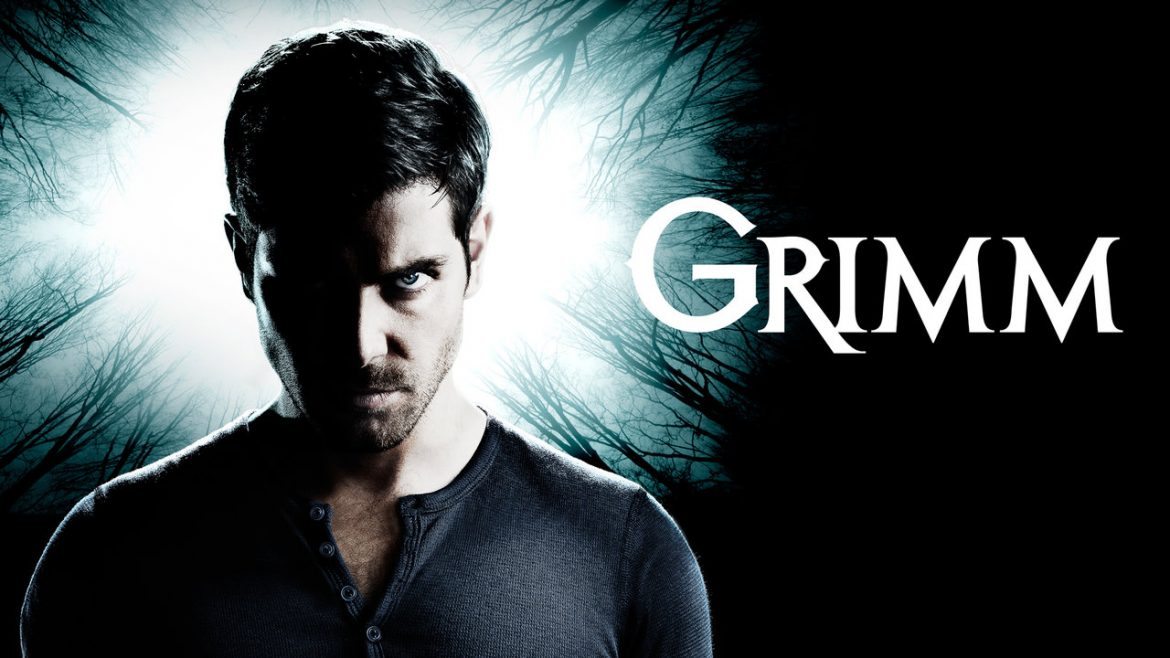
The show follows the adventures of Portland police detective Nicholas Burkhardt (played by David Giuntoli) just as he finds out that he is among the line of Grimms, a special breed of humans with the ability to detect Wesen, or supernatural beings.  Grimms are tasked to maintain the balance between humanity and Wesen, and oftentimes, Grimms have taken brutal measures against the creatures, making them highly feared in the Wesen community.  Nick’s role as a Grimm is further complicated by his being a cop; while he is usually able to meld his duties to both roles, there are times when he has to choose which dictates to follow.

He is aided by a strong cast of supporting characters such as Monroe (his last name was never revealed, played by Silas Weir Mitchell), his Wieder Blutbad (reformed werewolf) BFF, his cop buddies Hank Griffin (played by Russell Hornsby) and Drew Wu (played by kababayan Reggie Lee) and his love interests/nemeses Juliette Silverton (played by Bitsie Tulloch) and Adalind Schade (played by Claire Coffee).

Its setting in Portland, Oregon is also very on-point.  Its verdant forests, mild climate and slogan “Keep Portland Weird” provided a lush background for the supernatural situations the characters found themselves dealing with.

I love how this show is able to adapt fairytales and myths into modern situations, influenced not just by Germanic folklore (from which most of the Brothers Grimms’ stories are collected from) but also by other cultures such as Latin American (“La Llorona” and “El Cucuy“), Native American (“Wendigo“), Egyptian (“Anubis“), and, of course, the one closest to my heart, Filipino (“Aswang“).

The show had a few faults, such as the wonky special effects involved in showing how the Wesen morph from their human forms to their mythological forms and vice versa, as well as convoluted side plots involving a European Royal Family and a set of keys passed down from the Knights Templar. I also consider Juliette’s journey to the dark side and killing of a pivotal character the show’s “jumping the shark” moment, as it weakened part of the show’s heart.

Still, what kept me tuned in were the depictions of Nick’s rich and nuanced relationships with his Wesen and human allies.  His “bromance” with Monroe, in particular, grew from a reluctant partnership to a deep and abiding friendship that enabled Nick and Monroe to oftentimes defy the dictates of their natures to help each other.

Grimm has been a part of my TV habit for seven years and it left quite a big void: I haven’t found a new series that comes close to its appeal to me.

Until then, I will satisfy myself with watching and re-watching this series on Netflix.

Recipe: Carrot Cupcakes

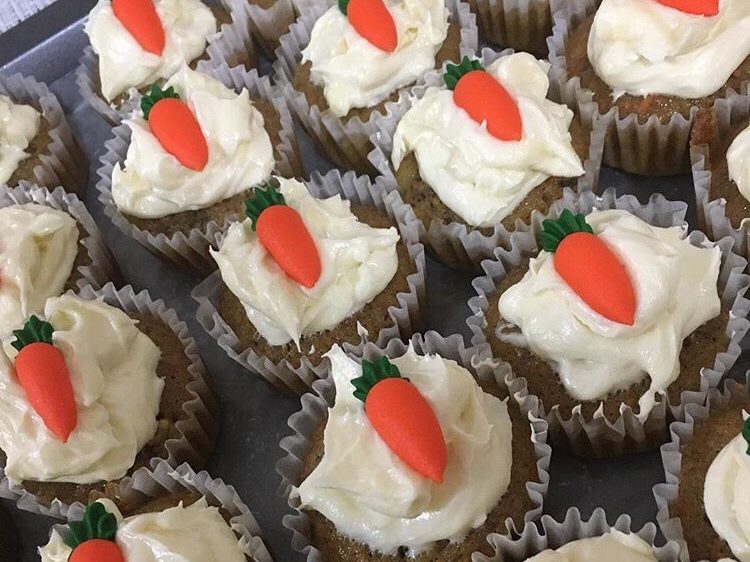
Carrot cupcakes are the miniature version of carrot cakes. The World Carrot Museum posits that carrot cakes originated from carrot puddings enjoyed by Europeans during medieval times, which then arose due to the innate sweetness of the vegetable, making it surprisingly an appropriate ingredient for desserts.

I prefer baking cupcakes over full-sized cakes as there is less chance of baking fails.  This is a tweaked version of a recipe I found on Pinterest, adjusted based on availability of ingredients.

Ingredients:

Cupcakes

  • 1 cup flour
  • 3/4 cup sugar
  • 1 tsp cinnamon
  • 1 tsp baking soda
  • 1/2 tsp baking powder
  • 1/4 tsp salt
  • 1 1/2 cups carrots, grated
  • 2/3 cup oil
  • 2 eggs, beaten

Frosting:

  • 1 225g bars cream cheese
  • 1/2 cup powdered sugar
  • 1 1/4 tsp vanilla
  • 3/4 cup cold all purpose cream

Procedure:

To make the cupcakes:

  • Pre-heat oven to 175-deg C.
  • In a large bowl, combine flour, sugar, cinnamon, baking soda, baking powder and salt.
  • Combine grated carrots and oil in a separate bowl. Slowly add flour mixture, while stirring until just mixed. Add beaten egg and stir for a few more times.
  • Line muffin pans with paper cups. Fill each cup 2/3 of the way, then bake for 13-15 minutes or until a toothpick comes out clean when you insert it in one of the cakes.
  • Set aside and let cool.

To make the frosting:

  • Beat cream cheese until smooth.
  • Sift powdered sugar into the bowl. Mix then add vanilla.
  • Beat in the cream at medium-high speed.
  • Transfer the mixture to a piping bag with your desired tip, then pipe frosting onto the cooled cupcakes.
  • Top with carrot-shaped candy for a fun and festive look.

Yields 12 moist and yummy cupcakes.