Sisig Society launches Sisig-flavored Lip Balm

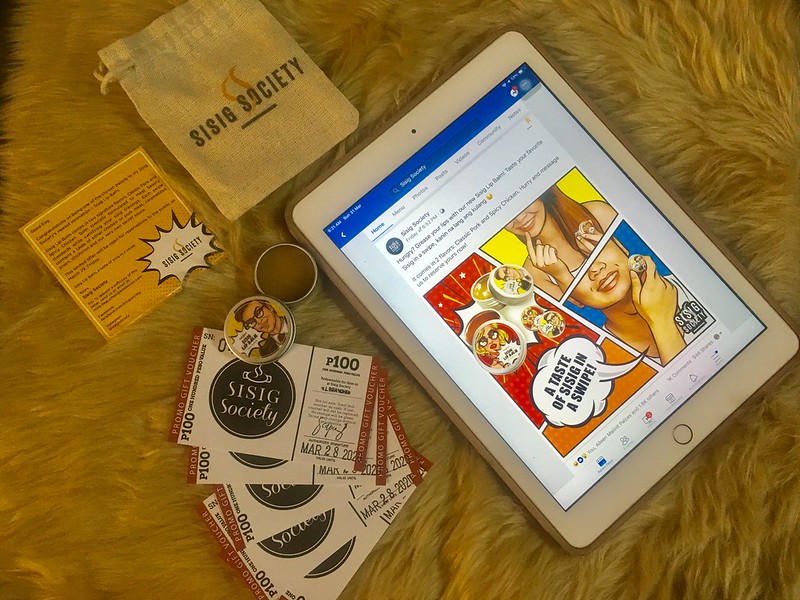
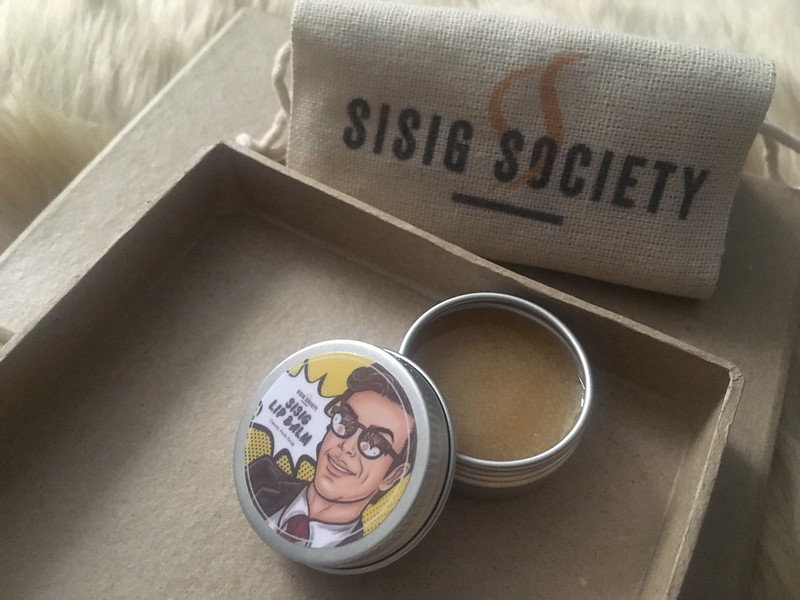
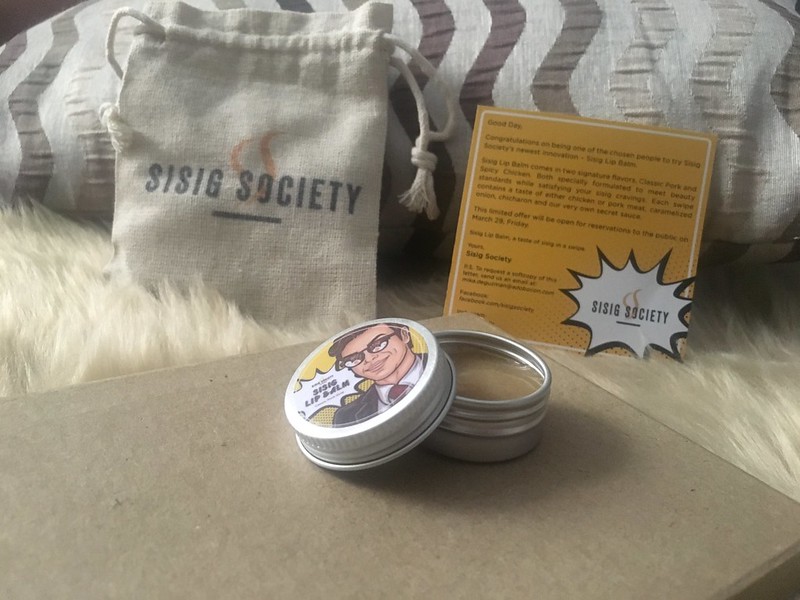
Just when I thought that there are no more new ideas when it comes to beauty and self-care, I received a package from Sisig Society containing a sisig-flavored lip balm.

Sisig Society Lip Balm

Say whuuut?!?

Yes, a sisig-flavored lip balm.

Sisig Society Lip Balm

While conventional wisdom in lip products veer towards combinations of floral or fruity scents and flavors, someone at Sisig Society probably said, “Hey, why not make a lip balm flavor that people actually eat?”

Sisig Society Lip Balm

And, well, here you go.

Don’t knock it ’til you’ve tried it, though.

Sisig Society Lip Balm

The product comes in two signature flavors: Classic Pork and Spicy Chicken. Both flavors are specially formulated to meet beauty standards while satisfying sisig cravings.

Sisig Society Lip Balm

Each swipe of these lip balms across your kissers contains a taste of either chicken or pork meat, caramelized onions, chicharon and Sisig Society’s very own secret sauce.

And it does a great job of moisturizing lips, too!

Here’s a wild idea: give your Significant Other a kiss while wearing this lip balm and see if the poor creature can figure out how the yummy taste of sisig came to be on your lips. Oh, and props to you if you time this prank near a mealtime so you can both go to Sisig Society to satisfy the sisig craving that’s sure to pop out.

(I see what you did there, Sisig Society…) 😉

Now, where to find a Sisig Society outlet…

    East Capitol Drive, Kapitolyo, Pasig City
    Food Gallery, Third Floor, Ali Mall, Araneta Center, Cubao, Quezon City
    Third Floor, Fisher Mall, Quezon Avenue, Del Monte, Quezon City
    Calle Bistro, Ground Floor, Ever Gotesco Mall, Commonwealth Avenue, Old Balara, Quezon City
    Unit 12 The Fort Strip, 28th Street, Bonifacio Global City, Taguig
    Ground Floor, One World Square, McKinley Hill, Taguig
    Ground Floor, Ayala Malls Marikina, Liwasang Kalayaan, Marikina Heights, Marikina City
    Third Floor, Circuit Lane, Ayala Malls Circuit, Olympia, Makati
    Ground Floor, Dela Rosa Carpark 2, Legaspi Village, Makati
    Ground Floor, Fisher Mall, Navotas-Caloocan Junction, Longos, Malabon City

Winter is here with Johnnie Walker’s limited-edition GOT-inspired label

The Game of Thrones fever is in full swing with the last season set to premiere less than a month away.

Johnnie Walker, the world’s No. 1 whiskey, recently pulled out all the stops with its Game of Thrones-inspired Winter is Here event held at White Space Manila. Here, we die-hard GOT fans, togetger with whiskey enthusiasts, influencers and media guests were treated to an experiential journey through the different GOT-themed houses celebrating by Johnnie Walker whiskey labels.

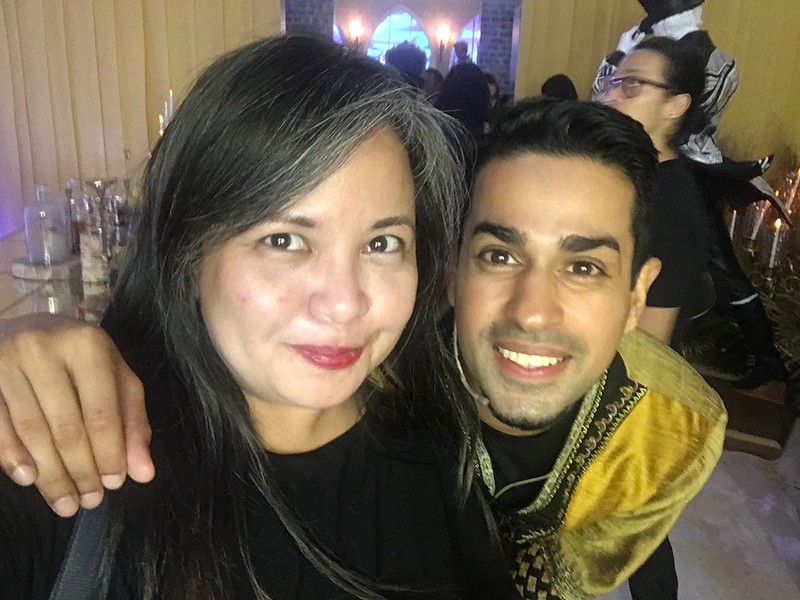
Together with my coworkers from SKY, I was honored to take part in this exciting event as well.

Johnnie Walker Event

Johnnie Walker Event

Johnnie Walker Event

Prior to entering the venue, we were treated to fingerfoods, fruits, cheeses, breads and meats, as well as sparkling pomegranate juice. This medieval-inspired dining experience was catered by Italian restaurant Cibo.

Johnnie Walker Event

Johnnie Walker Event

Johnnie Walker Event

Johnnie Walker Event

Johnnie Walker Event

Johnnie Walker Event

Johnnie Walker Event

At the SKY booth, guests peered into a magic mirror to discover which denizen of Westeros is their spirit Game of Thrones character. (Apparently, mine was the Night King, brrr!)

Johnnie Walker Event

At the stroke of eight, we were escorted inside the venue to make our way through the different houses of Johnnie Walker Whiskey labels.

House Red.

Driven by spice and fire, House Red was vibrant with heat and flame, especially the fiery scenery depicting Oldtown’s Citadel, punctuated by the exciting LED fire performances.

Johnnie Walker Event

Johnnie Walker Event

Here was celebrated the Johnnie Walker Red Label, the fruity, spicy and smokey blend that introduced the brand to the world. Today, it is one of the world’s best selling Scotch whiskey.

House Black.

Rising from the ashes from its test of fire was House Black.  Cosplayer Alodia gracing the path through the Dark Forest of Ravens also set the mood for magic and mystery.

Johnnie Walker Event

Johnnie Walker Event

The iconic Johnnie Walker Black Label, with its bold and complex flavors of dark fruits, sweet vanilla and signature smokyness, was embodied by this house.

House Gold.

With the sun-kissed city of Dorne as a backdrop, House Gold was the seat of decadent luxury, where guests can touch the flavors of gold then show off their fabulousness at the glam photo booth hosted by Sam YG.

Johnnie Walker Event

Johnnie Walker Event

The luxuriously smooth Johnnie Walker Gold Label, with its delicate sweetness and rich flavor, was the drink given tribute to here.

House Blue.

Calling to mind the throne room in King’s Landing, guests were treated to the royal treatment by Tim Yap in House Blue where they can lord over everyone while seated on the throne.

Johnnie Walker Event

Johnnie Walker Event

Johnnie Walker Event

Marked by the velvety combination of vanilla, honey, orange, hazelnut and dark chocolate, Johnnie Walker Blue Label was royally paid homage to here.

We gathered in front of the wall where warrior-dancers representing the various houses mock-battled culminating to the Breaking of the Wall.

Johnnie Walker Event

Johnnie Walker Event

Johnnie Walker Event

House White.

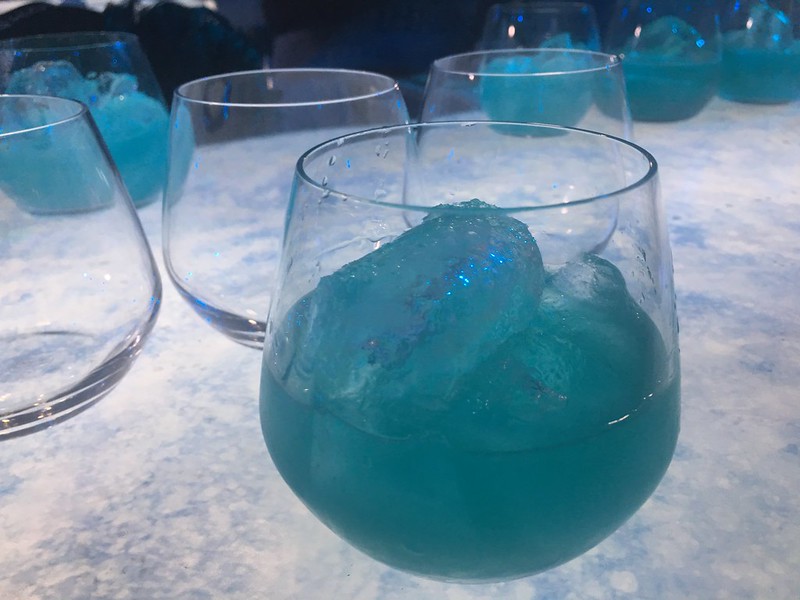
With the fall of The Wall, we guests entered the Winter’s territory where took our drinks at the Ice Lounge and where we awaited the arrival of the Night King.

Johnnie Walker Event

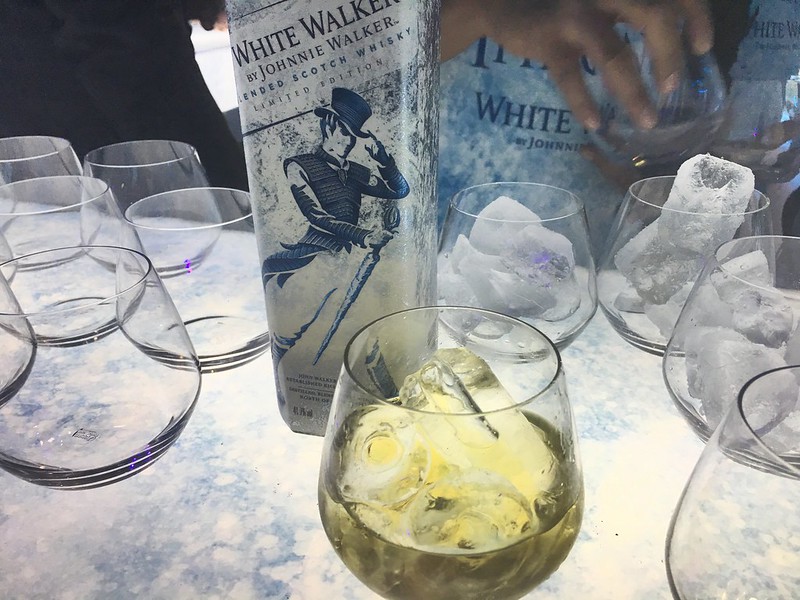
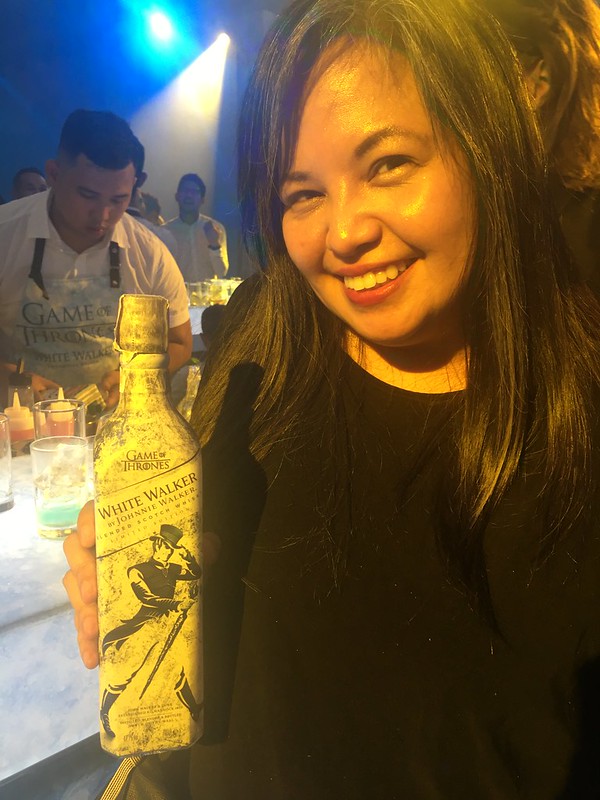
Inspired by the frosty and enigmatic inhabitants North of The Wall, the White Walker is Johnnie Walker’s limited edition variant launched late last year. It was served to guests directly from the freezer to bring out its best tastes and features along with other mixed drinks to further liven up the revelry. (And here’s a tip, when you freeze the bottle, the hidden message “Winter is here” appears in frosty lettering.)

Johnnie Walker Event

Johnnie Walker Event

Johnnie Walker Event

Johnnie Walker Event

The night’s revelries were hosted by Nico Bolzico (who gamely posed with us SKY folks), bolstered by the party music provided by Patty Tiu while scenes from the past and upcoming Game of Thrones seasons were flashed on the screen.

Johnnie Walker Event

Johnnie Walker Event

Johnnie Walker Event

Johnnie Walker Event

Johnnie Walker Event

Johnnie Walker Event

Winter is definitely here. And the fun has just begun.

Johnnie Walker Event

Johnnie Walker Event

The eighth and final season of Game of Thrones will premiere on April 15, 9am on HBO (SKYcable ch 54 SD and 168 HD in Metro Manila).

Want to binge-watch the previous seasons? You’ll be happy to know that access to HBO GO is free until April 15. Here, you can watch all past episodes of HBO Original series on-demand as well as watch live telecasts of HBO, HBO Signature, HBO Hits and HBO Family wherever you are using your mobile device! HBO GO is available exclusively to SKYcable subscribers whose subscriptions include HBO. Click here for more details.

Photo Credit for group shots: Jay Redondo of SKY

Wine pairing class explores tasty combinations of wine and pizza

In vino, veritas.

In wine, there is truth.

Well, the truth is, I didn’t have much appreciation for wines. Similar to most Filipinos who reached adulthood without any exposure to wine culture, I have decided that wine just isn’t for me. What few sips I’ve had of the stuff were, for some reason, not pleasurable for me.

However, after joining a Food and Wine Pairing class organized by Wine Story Academy, I realized that maybe, similar to many things in life, I just haven’t found the right wine for me. Also, by partnering wine with one of my favorite kinds of food – pizza, supplied by Pasto Cafe and Bar – I was able to explore how the right combination of food and wine brings out the best in each other.

Food and Wine Pairing, Wine Story

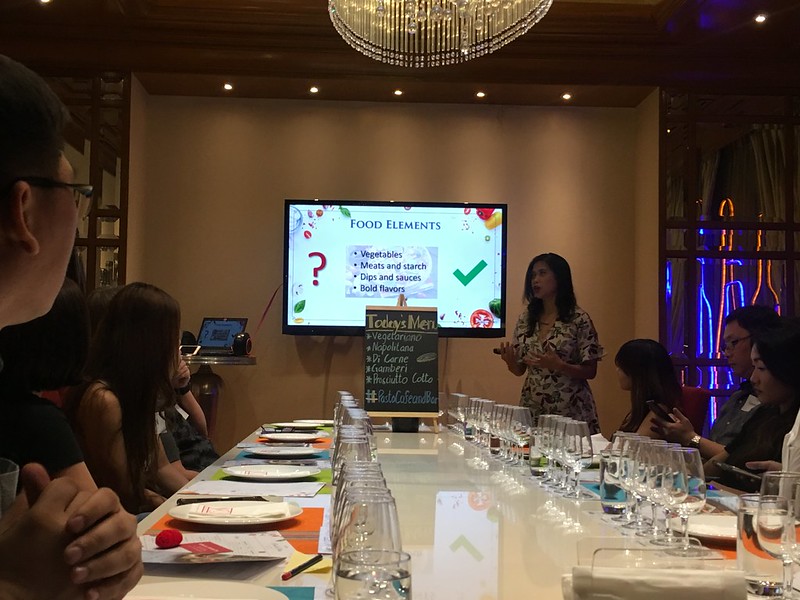
The class was held at the Wine Story outlet in EDSA Shangri-la Mall, an upscale retailer of fine and rare wines. Wine Story Academy’s Wine Education Manager Carla Santos guided our group through a set of five different wines to be tasted together with five different pizza flavors.

Food and Wine Pairing, Wine Story

Basic Principles in Food and Wine Pairing

The conventional wisdom in food and wine pairing is to pair red wines with red meat and white wines with white meat. However, according to Carla, there are more factors to consider, not the least of which is your own preference.

To find the perfect food and wine pairing, we need to strike a balance among the following characteristics of the food served:

Weight. How heavy (or filling) does the food feel in your mouth? It is a good idea to pair a filling kind of food with a fuller-bodied kind of wine.

Intensity.  How strong does are the food’s flavors?  You would want to taste both the food and the wine’s flavors so take care that one does not overpower the other.

Flavor.  The ingredients and method of cooking, as well as dips and sauces incorporated to the dish also contribute to the flavor of the food which needs to be considered.

In choosing the perfect wine for the dishes, one must consider the following wine profiles:

Sweetness. It is the first sensation – it may not necessarily be a sugary kind of sweetness but more of a fruity kind – as the wine hits the tip of your tongue. All but the very driest of wines will have some sensation of sweetness.

Acidity.  This is what makes the wine crisp and refreshing.  You will feel it as it makes your mouth water.  A wine with too much acidity will be unpleasantly tart while one with too little will feel flabby or flat.

Tannin.  This is the mouth-drying  substance found in wine.  Too much tannin will make the wine taste hard and bitter while too little will make it seem soft and innocuous as fruit juice.

The Tasting

The evening’s featured wines, curated by Wine Story Academy, include:

Tenuta Sant’Anna Goccia Pinot Grigio 2017 (Veneto, Italy; Php1,000).  It smells of acacia flowers and exotic fruits.  The taste is marked by a total absence of tannin, resulting to a fresh and floral flavor.

Sand Point Chardonnay 2015 (California, USA; Php1,300). Possesses an aroma with peach and pear notes.  It is a soft wine with low acidity and fruity flavor.

Urban Riesling 2015 (Mosel, Germany; Php1,350). It has a clean, fresh and flinty bouquet and smells of tangerines.  It is off-dry, with a crisp and semi-sweet taste.

The Winery of Good Hope Bush Vine Pinotage 2018 (Stellenbosch, South Africa; Php1,050).  Its aroma is one of blackberry and plums accented by hints of oak and mocha.  It tastes ripe and juicy.

Food and Wine Pairing, Wine Story

Cardinalices Rouge Grande Reserve 2015 (Rhone Valley, France; Php1,000).  It has a fruity aroma with some spicy notes and marked by a strong and complex flavor.

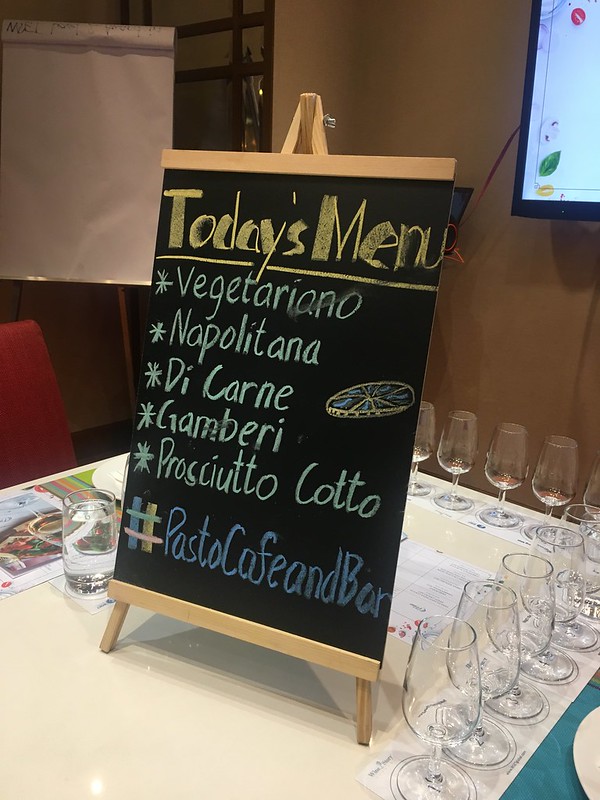
Pizzas paired with the featured wines were provided by Pasto’s EDSA Shangri-la Mall branch and presented interesting flavors that we mixed and matched with the wine.

Food and Wine Pairing, Wine Story

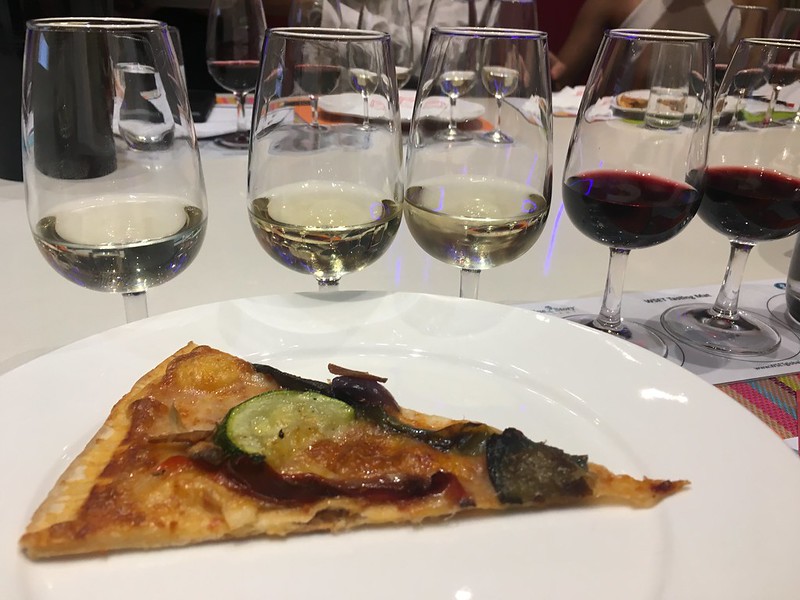
Vegetariano. This pizza is marked by the earthy smokey flavor of assorted roasted vegetables such as eggplant, zucchini, bell peppers and garlic. I find that the light and fresh Pinot Grigio works well with this pizza.

Food and Wine Pairing, Wine Story

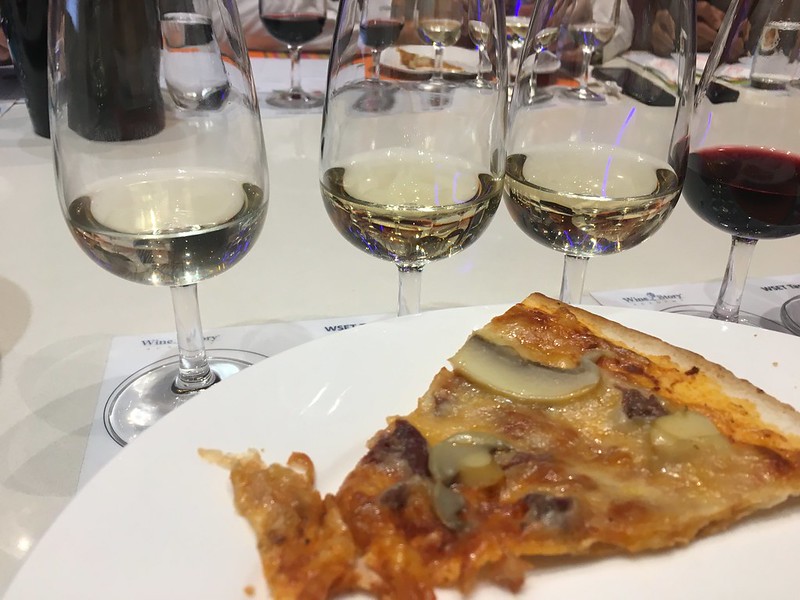
Napolitana. Sliced button mushrooms and savory achovies make this a strongly flavored pizza. For me, the Pinotage’s acidity stands up well to its saltiness.

Food and Wine Pairing, Wine Story

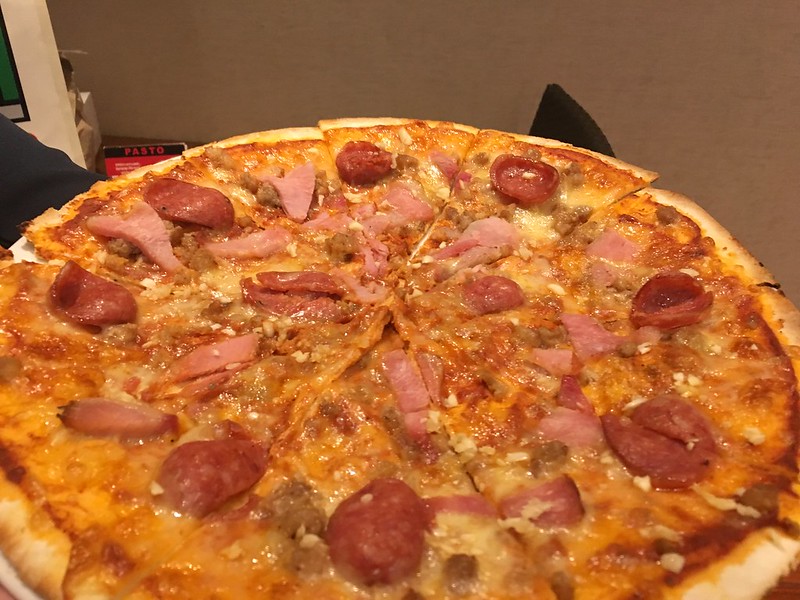
Di Carne. This is an all-meat extravaganza with Italian sausage, smoked ham and pepperoni. The Cardinalices’ bold and strong flavors complement the meats in this pizza.

Food and Wine Pairing, Wine Story

Gamberi Fritti. A crispy battered shrimp tops the artichoke salsa and lemon aioli in this pizza, with spicy chili flakes. The low alcohol and the refreshing acidity of the Riesling manages the heat from this spicy pizza.

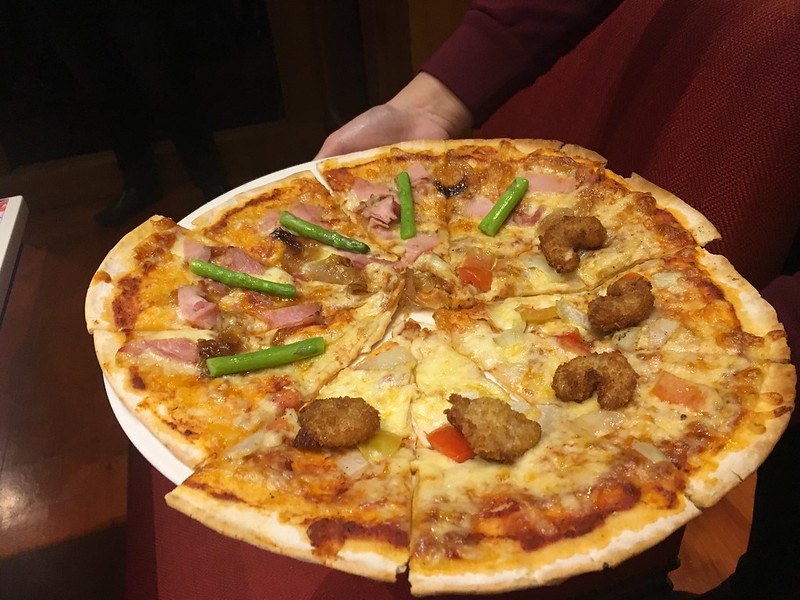
Prosciutto Cotto. Caramelized onions added some sweetness to the pizza along with the earthy smoked ham, asparagus and mozzarella. The soft and fruity Chardonnay complements the pizza’s flavors.

Food and Wine Pairing, Wine Story

Wine tasting tips

This food and wine pairing class is an eye-opener for me. Not only did it show me the versatility and variety of wines but it also helped grow my appreciation for how they can enrich the dining experience. For those who are planning to go to a similar wine tasting affair, here are some things to remember:

  • No brushing of teeth or smoking right before class. Tobacco and mint will affect your sense of taste.
  • Avoid wearing heavy scents such as perfume, cologne or scented hair spray. These will affect your sense of smell.
  • Hold the wine glass by the stem. This keeps fingerprints off the bowl (so you can see and appreciate the liquid in all its splendor) and prevents your hand from heating the wine.
  • Prior to tasting, take a sniff to get an initial impression of the wine’s aroma, then swirl for a bit to bring out some more of its scent. This will contribute to your fuller appreciation of the wine’s flavor.

Many thanks to Mike Lord Raymundo of the Pasto Group and Bar Craft Concepts for extending the invitation!

Food and Wine Pairing, Wine Story

Food and Wine Pairing, Wine Story

For more details about the wines and pizzas featured in this wine class, visit their respective social media sites:

Pasto Menu, Reviews, Photos, Location and Info - Zomato

To help develop the Filipino palate for wine, the Wine Story Academy offers the following classes next month:

  • April 6: Intro to Bordeaux (Php3,000 per person)
  • April 13: Wine 101 (Php2,000 per person) and Sushi and Wine Pairing (Php2,500 per person)

Say hello to a great summer with Ombu Kusina’s Flavored Ice Halo-Halo

Summers are for great times with great food, and spent with great friends.

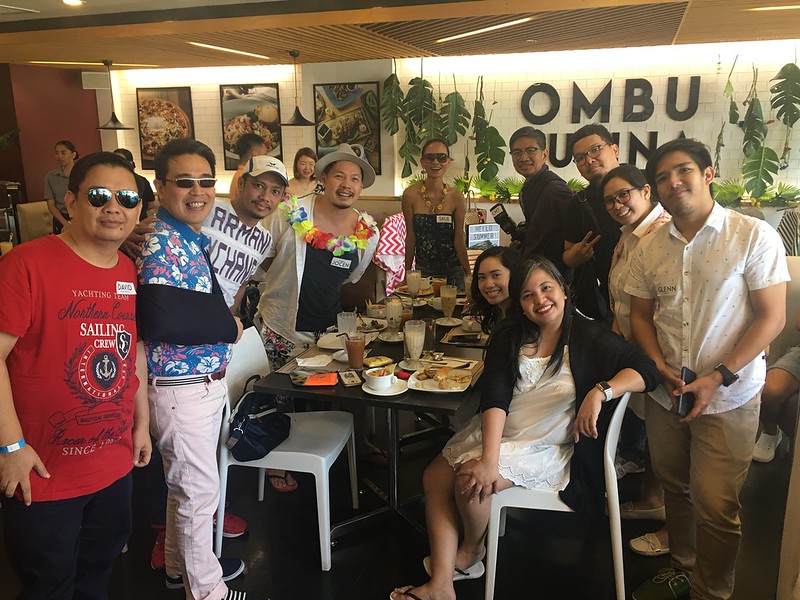
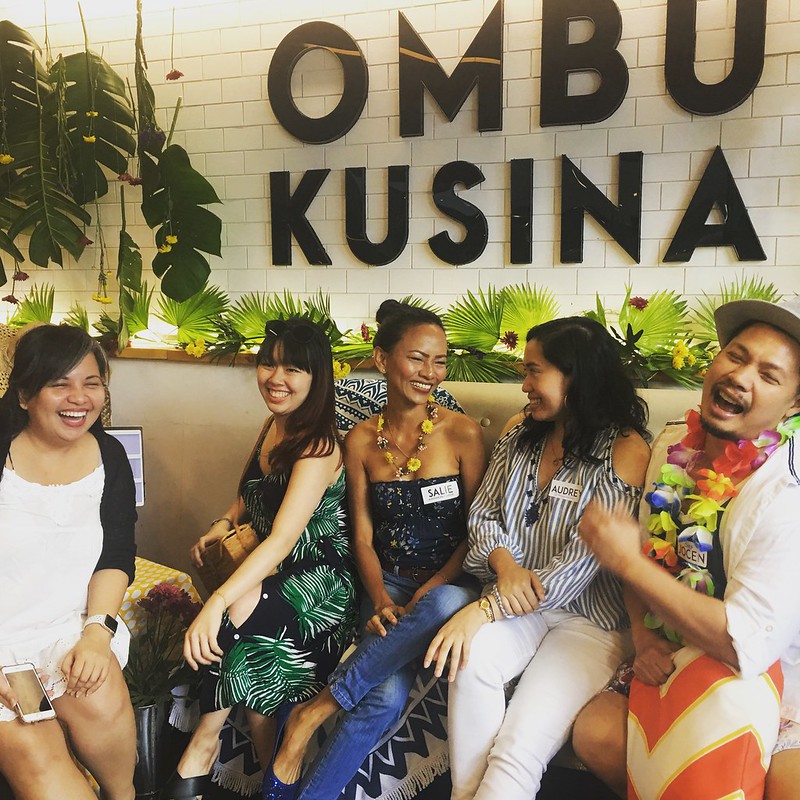
Together with my fellow foodies, I experienced what certainly seems to be the start of a great summer.

Ombu Kusina, Tomas Morato

Ombu Kusina, Tomas Morato

Ombu Kusina, Tomas Morato

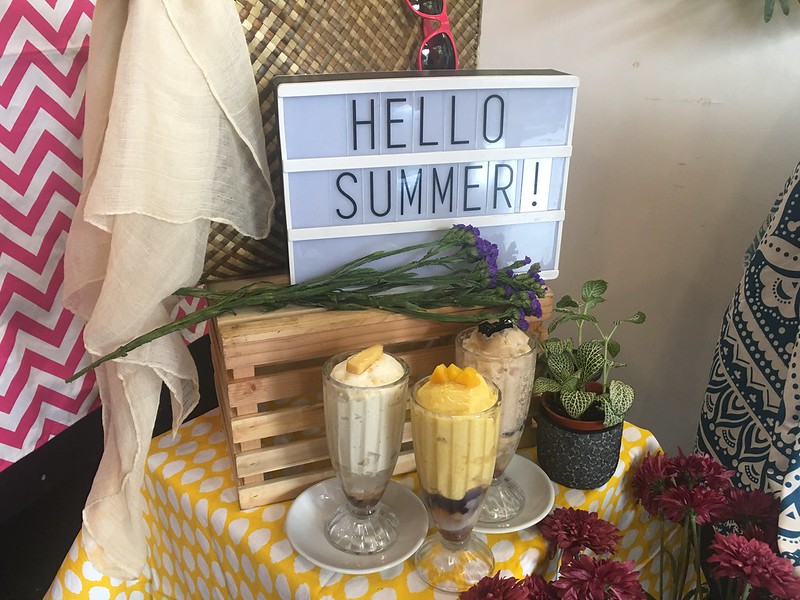
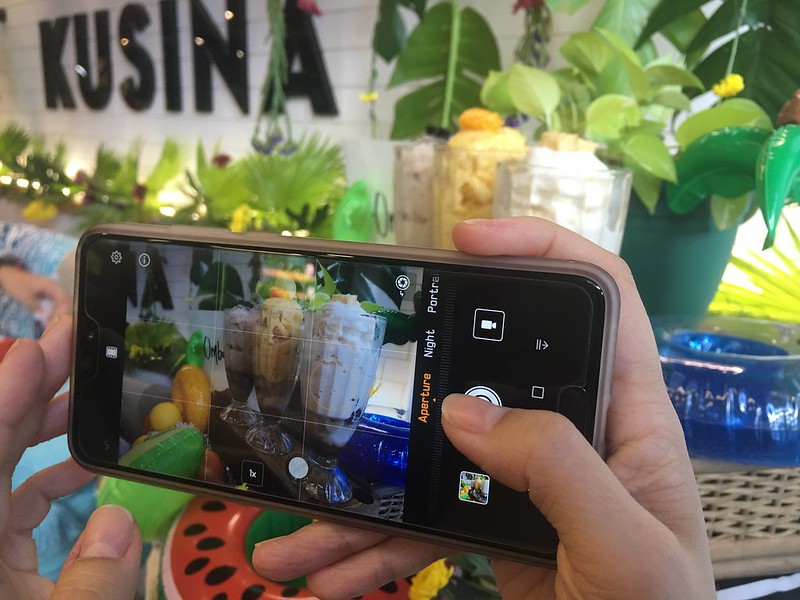
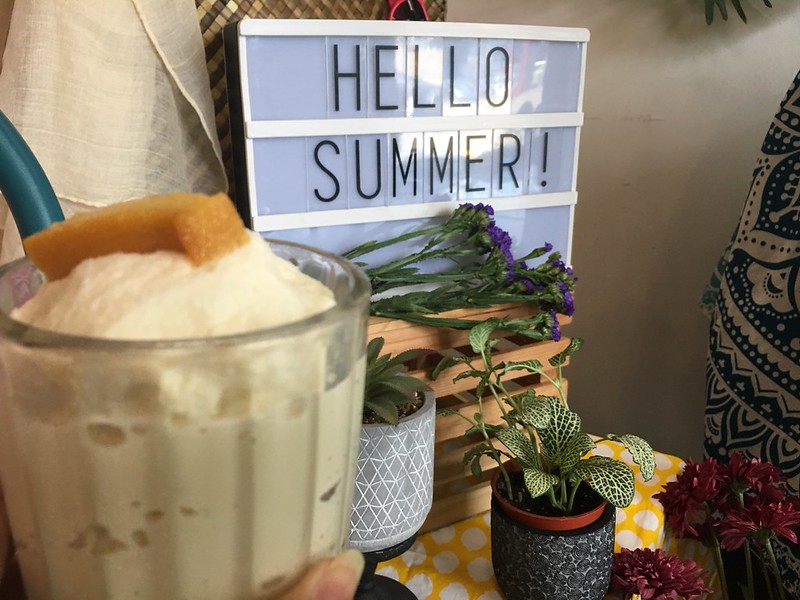
In a recent Foodie Event hosted by Ombu Kusina, it launched its newest and coolest offerings: three new scrumptious halo-halo flavors!

Ombu Kusina, Tomas Morato

Ombu Kusina, Tomas Morato

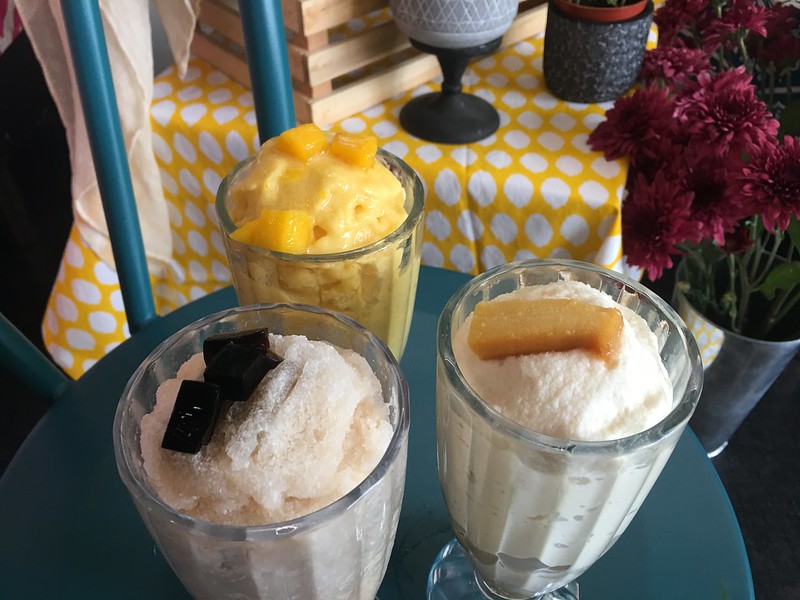
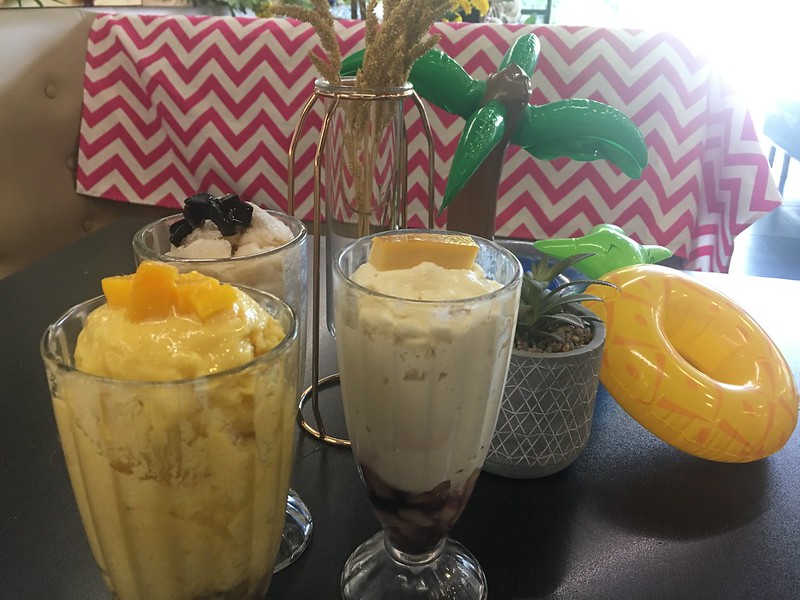
The halo-halo is a favorite Pinoy dessert made of crushed ice, evaporated milk and other sweet ingredients such as nata de coco, beans and coconut strips, served layered on top of each other, but then mixed together so that each spoonful is a mixture of sweet ingredients and the crushed ice. Ombu does its own take on this classic icy treat, with three flavors, available only during the summer, at only Php160 each. These include:

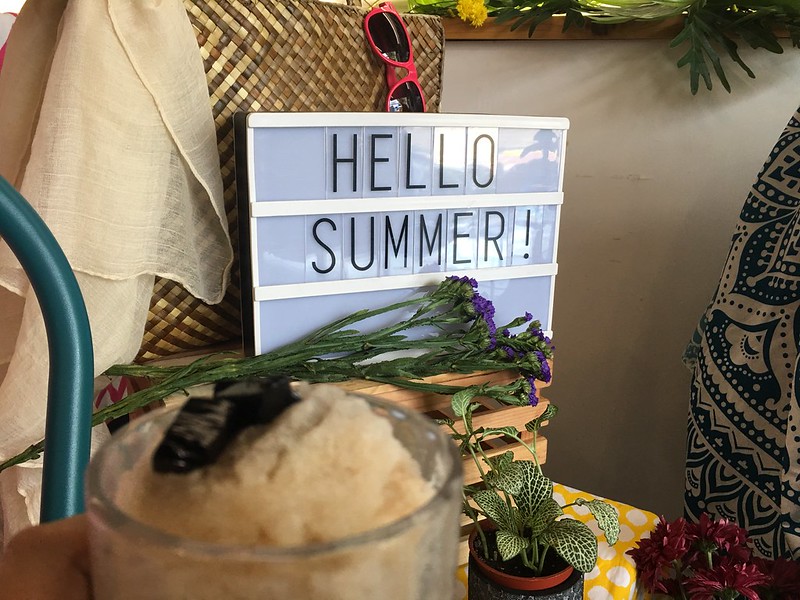
Milk Tea. The milk tea craze has surely hit the country and how! Now this exotic drink which originated from Taiwan flavors the Pinoy halo-halo through the use of brewed Earl Grey black tea.

Ombu Kusina, Tomas Morato

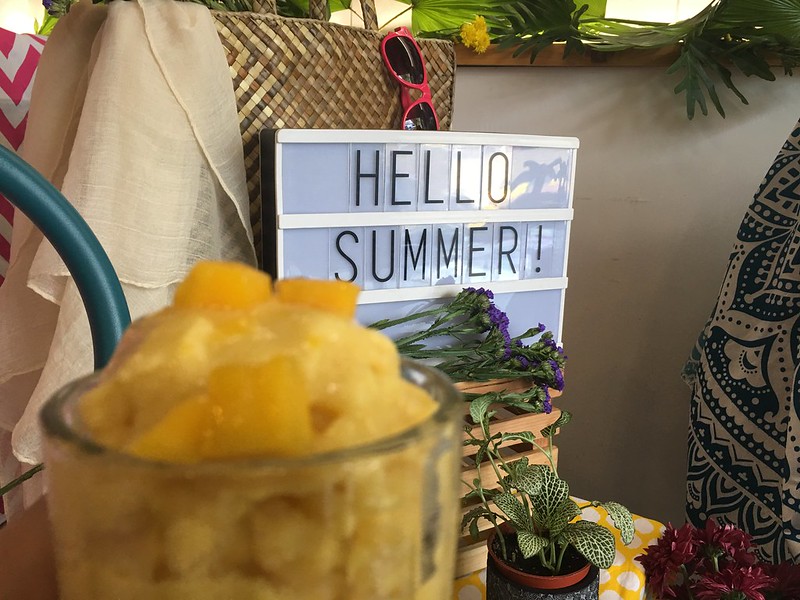
Mango. Fresh ripe mango are pureed, mixed with milk then frozen to create mango-flavored crushed ice, served with the usual halo-halo ingredients and toppped with succulent mango cubes.

Ombu Kusina, Tomas Morato

Tres Leches. As the name implies, the crushed ice is flavored with three kinds of milk and topped with creamy leche flan. This is my favorite among the new halo-halo variants.

Ombu Kusina, Tomas Morato

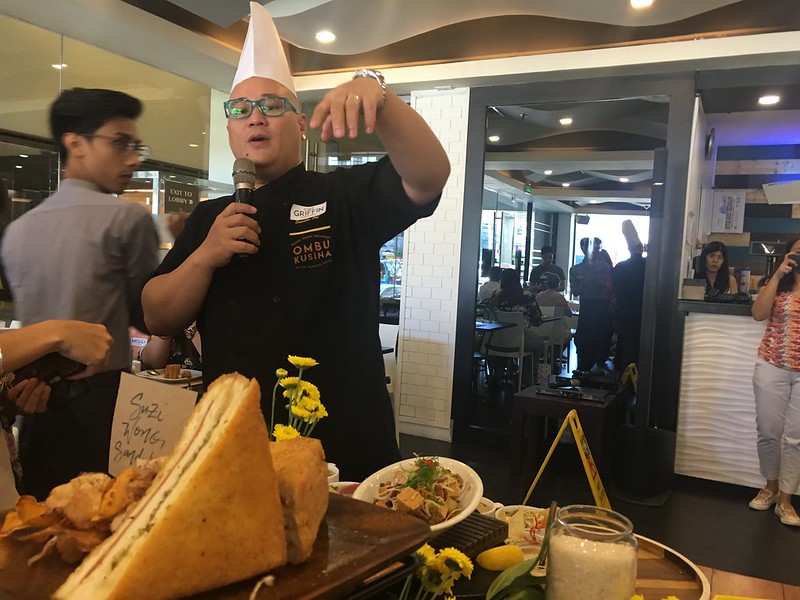
Ombu’s Chef Griffin Oraiz explained that what sets Ombu’s halo-halo treats apart from similar offerings from other restaurants is the use of flavored ice: the flavors are infused into the ice, resulting to a more intense taste and creamier mouthfeel.

Ombu Kusina, Tomas Morato

Ombu Kusina, Tomas Morato

Ombu Kusina, Tomas Morato

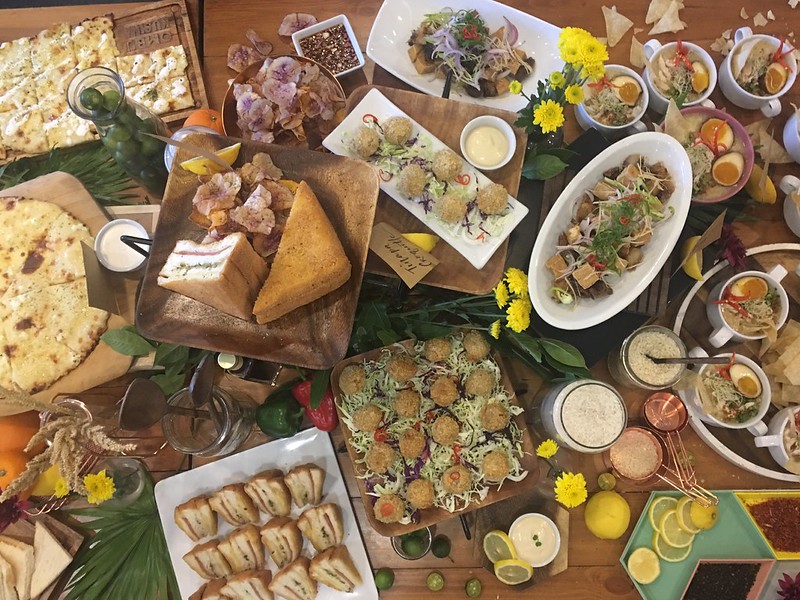
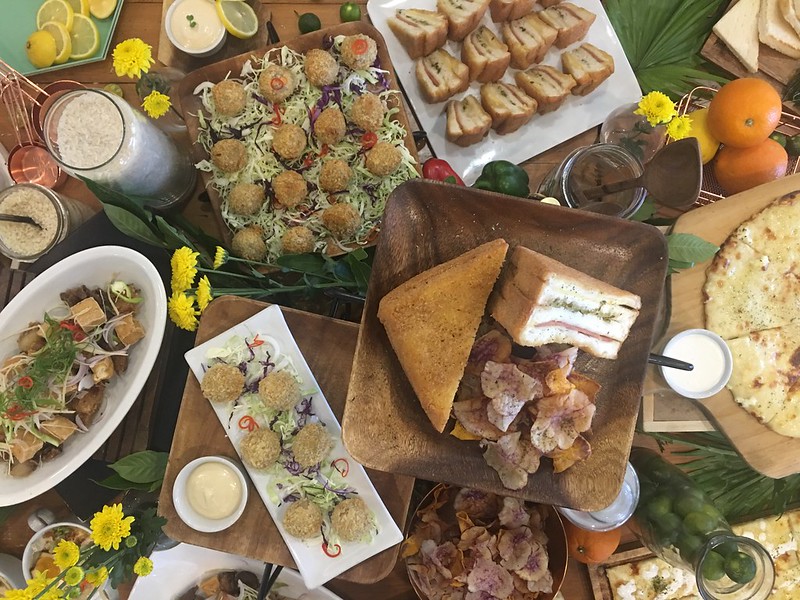
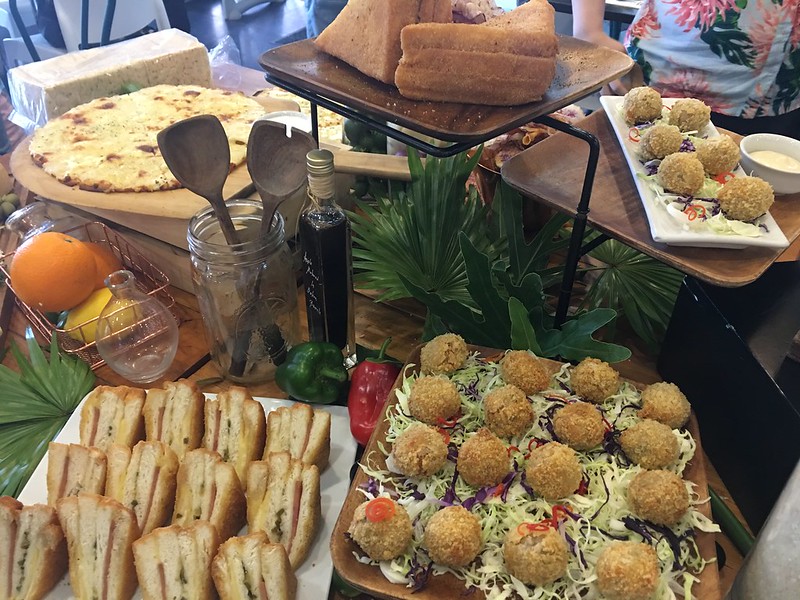
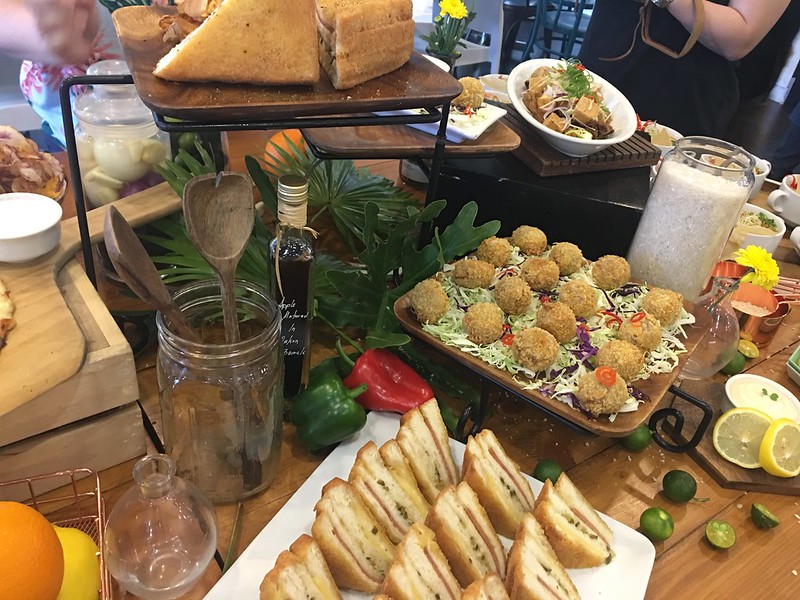
Ombu also showcased some its signature dishes which are well-suited for the summer, such as:

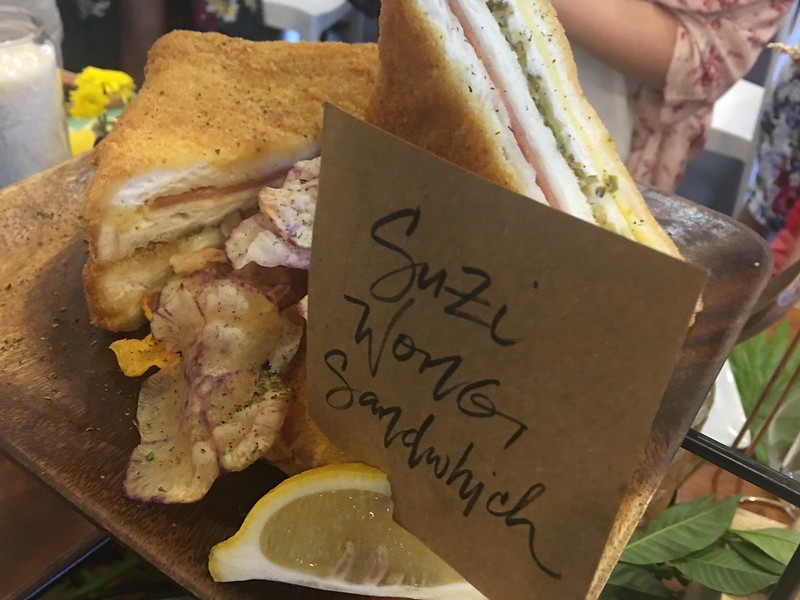
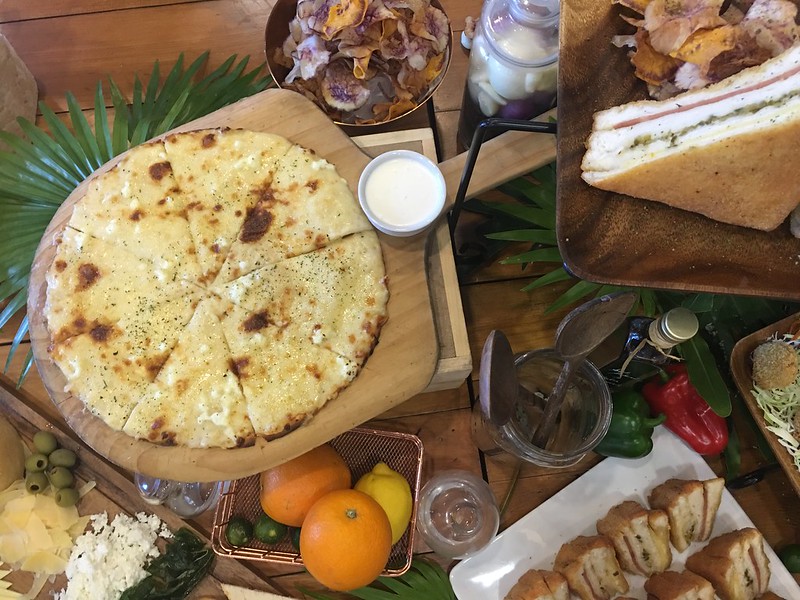
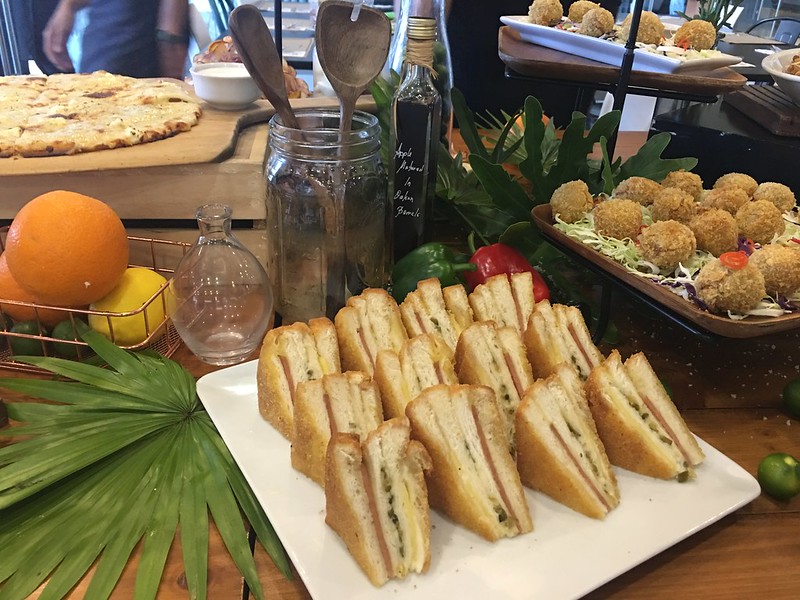
Suzi Wong Sandwich (Php270). A three-layered sandwich made of ham, cheese and pickles between four slices of butter-toasted crusted bread and served with house-made deep-fried purple camote chips.

Ombu, Tomas Morato

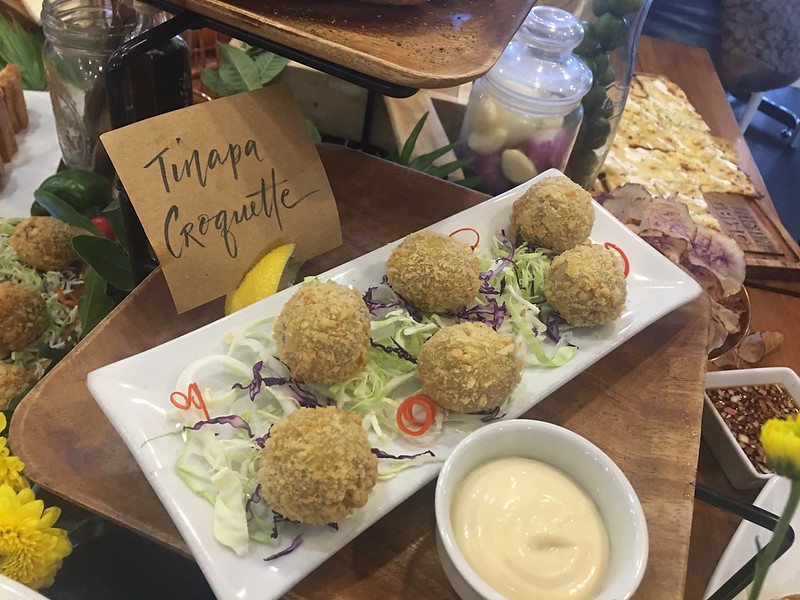
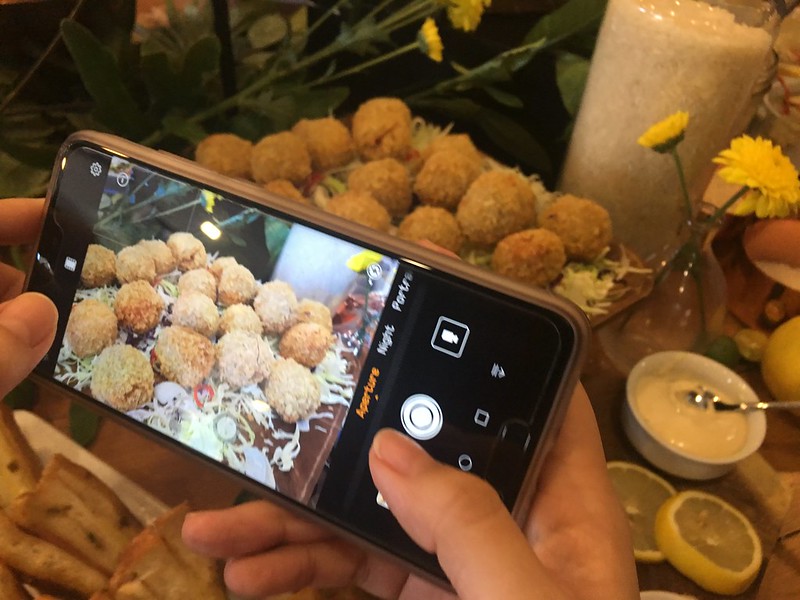
Tinapa Croquettes (Php240). Tinapa (smoked milkfish) is combined with a creamy bechamel sauce and sauteed onions, then coated with breadcrumbs, deep-fried to a crisp golden brown and served with a house-blend special garlic mayo dip.

Ombu Kusina, Tomas Morato

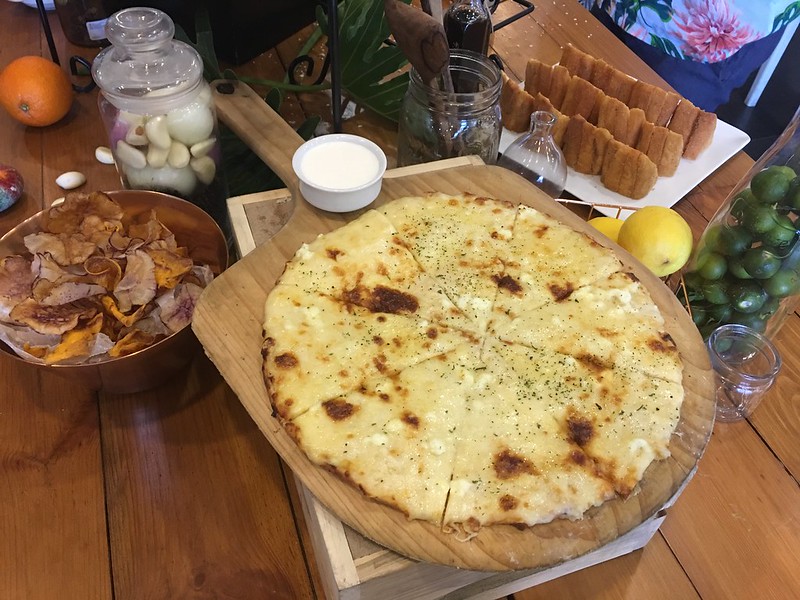
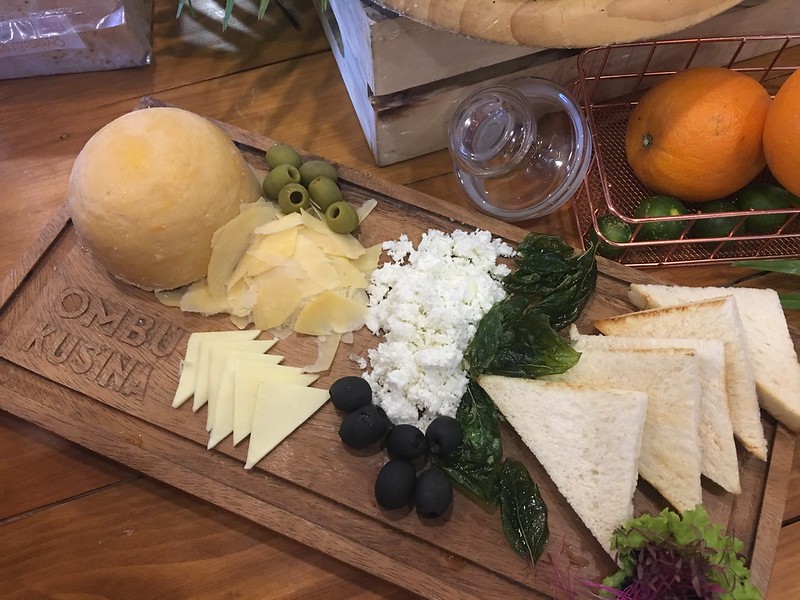
Three-Cheese Pizza (Php420). Mozzarella and cheddar cheeses are combined with the local kesong puti, a home-grown cheese made of carabao’s milk, on top of a crisp oven-baked pizza crust.

Ombu Kusina, Tomas Morato

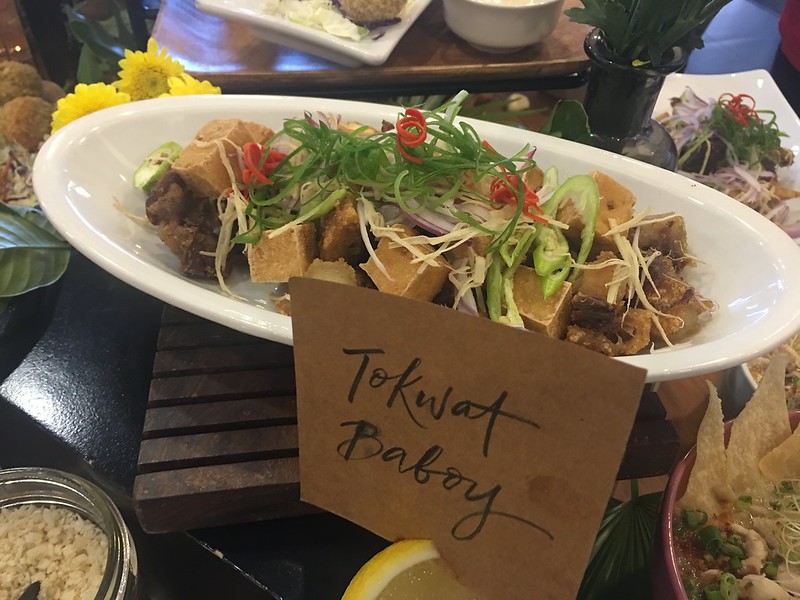
Tokwa’t Baboy (Php260). Tokwa (tofu) are cut into cubes, fried and served with hearty pork chunks in a house-blended spicy soy vinegar sauce. This is actually a great complement and a traditional companion to the next dish which is the…

Ombu Kusina, Tomas Morato

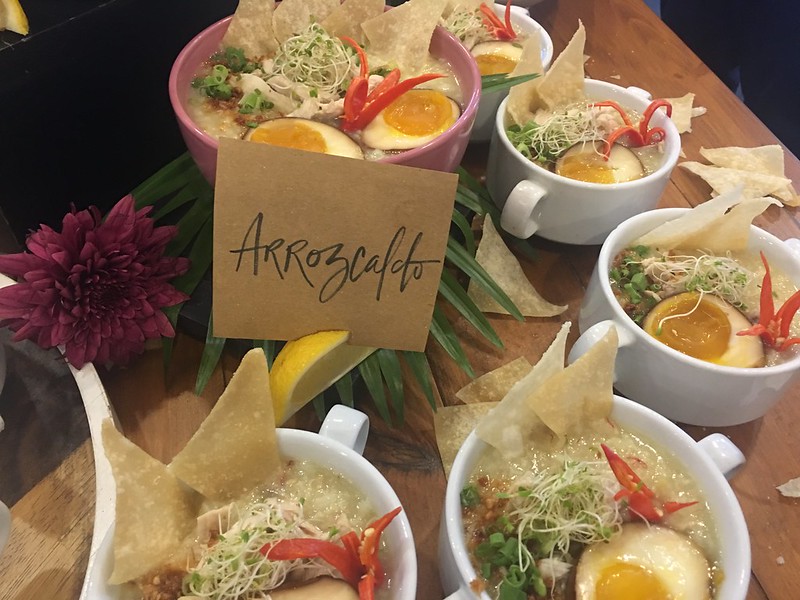
Arroz Caldo (Php130). The traditional Pinoy version of rice porridge with chicken pieces, it is highlighted by the use of cured, soft-boiled “ramen-style” eggs that adds a different dimension of flavor to the Pinoy merienda staple.

Ombu Kusina, Tomas Morato

These dishes and the seasonal halo-halo flavors all adhere to Ombu Kusina’s modern take on Filipino cuisine: infusing classic Pinoy dishes with new and exciting cooking styles and influences. These help to make Pinoy cuisine fresher and more relevant to a growing number of foodies, who are looking for their next food adventure.

Ombu Kusina, Tomas Morato

Ombu Kusina, Tomas Morato

Ombu Kusina, Tomas Morato

Ombu Kusina, Tomas Morato

Ombu Kusina, Tomas Morato

Ombu Kusina, Tomas Morato

Ombu Kusina, Tomas Morato

Ombu Kusina, Tomas Morato

And if that isn’t reason enough for you to hie on over to Ombu for a taste of its innovative and flavorful dishes, how about this: use my code – VIPBeingJellybeans – when you dine in and get 10% off your food bill!

Check it out and let me know what you think!

Ombu Kusina is located at the Ground Floor, Sequioa Hotel, Mother Ignacia corner Timog Avenue, South Triangle, Quezon City, open daily from 6.30am to 10.30am. For inquiries and reservations, call +63 2 441179.

Read my review of a previous visit to Ombu Kusina here.

Disclosure: Together with other foodies, I was invited to join a foodie meetup held at this restaurant. Food items mentioned here were served to allow us to sample the fare and were not paid for by the attendees, including myself.

Charles & Keith partners with local brand Woven to benefit local women weavers

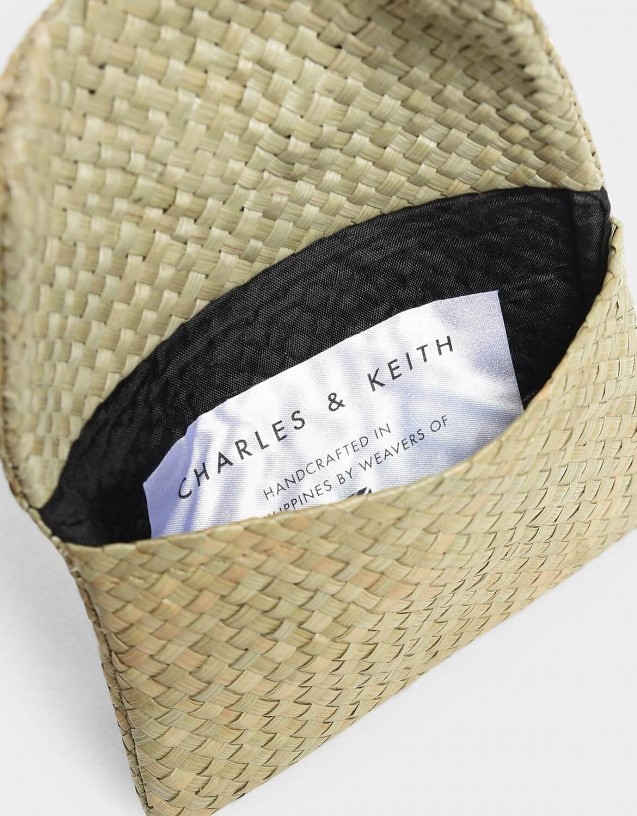
Did you know that international fashion brand CHARLES & KEITH recently released a capsule collection of Pinoy-made hand-woven products? Through its collaboration with Woven, a Philippine-based social enterprise, it produced a special capsule collection inspired by the theme “Empowering Women of Tomorrow.” This collection consists of four unique products – a tote bag, a circle top handle bag, a clutch and a pouch – all made of banig, dried grass and dyed palm leaves that are handwoven by skilled artisans based in Basey, Samar. For every product sold from the collection, 20% of the net sales would be donated to the weavers of Woven.

Charles & Keith x Woven

This partnership is part of a movement to provide women with vital skills to better their lives and give them a voice in their communities. Through this partnership, CHARLES & KEITH is continuing its efforts to achieve the vision of a world that is free from gender discrimination, inequality and violence. Woven, on the other hand, will be able to continue providing skills and leadership training to the women in the hopes of inspiring the next generation of young women to continue the craft.

Charles & Keith x Woven

Trish Lim, co-founder and CEO of Woven, sees the partnership as a way for local women to be able to carry on the tradition of weaving in their communities.

“It’s wonderful to see women use their talents, skills and knowledge to create opportunities for other women and make their lives better.” she shares.

The partnership also enables Woven’s weavers to feel empowered from having a sustainable source of livelihood that allows them provide three meals a day and education for their children.

Charles & Keith x Woven

The CHARLES & KEITH capsule collection for International Women’s Day 2019 has been available on CHARLESKEITH.COM—excluding the UK, EU and Japan markets since March 7.

About CHARLES & KEITH
Fashion entrepreneurs, Charles & Keith Wong founded CHARLES & KEITH in 1996 upon identifying the potential of footwear designs catered for eastern women. CHARLES & KEITH is the go-to fashion destination for stylish urbanites, recognized for its desirable fashion and curated collections of relevant designs. With women as the central focus, the brand has developed a full-fledged line of footwear, bags, eyewear, accessories and costume jewelry. Pushing forward four brand values: Experimental, Desirable, Curated and Modernity, the brand aims to celebrate women and inspire fashion and beauty every day. CHARLES & KEITH extends beyond brick-and-mortar with online shopping CHARLESKEITH.COM, making the brand available through the United States of America, Asia Pacific and Europe.

About WOVEN
As a social enterprise that aims to uplift the lives of artisans in the Philippines, Woven strives to work directly with crafts communities to create products that bring value to their work, their lives, and cultural traditions. It started in the town of Basey, Samar after it was devastated by super typhoon Yolanda. While doing research and area development plans there, the founders came upon the banig weavers who created beautiful mats made from tikog and buri. With the help of various NGOs, the enterprise organized the artisans into community craft associations, maneuvered an increase in the industry price of banigs, and raised individual incomes by more than double. Ultimately, Woven aims to craft better opportunities for empowered craftsmen and women, for their families, and for the next weaving generations. www.wovenph.com.

Details and images provided by Woven in a recent press release.

Raise your kids to be sustainable diners

When I was a kid, I was expected to be at my best behavior especially when my family eats at a restaurant. It was the perfect opportunity for me to display that I have imbibed the “elbows off the table”, “use the proper utensils,” and “finish all the food on your plate” rules, among others.

Thanks to the recent WWF-Philippines Savour Planet workshop, The Sustainable Diner: A Key Ingredient to Sustainable Tourism, I learned that, aside from the social niceties of eating out, the younger generation should be taught to eat responsibly and sustainably as well.

For instance, did you know that food waste is actually the biggest threat to the environment today? Seventy percent of terrestrial biodiversity loss and and 69% of global freshwater use is attributable to food production and consumption. A significant portion of this concerns dealing with food waste.

With this in mind, WWF-Philippines launched its The Sustainable Diner Project, an initiative that aims to lessen food wastage and contribute to the improvement of the implementation of sustainable consumption and production processes in the foodservice sector.

The Sustainable Diner’s Savour Planet series aims to empower and educate Filipino diners, media partners, the academe, as well as fellow non-government organizations and food security projects on the importance of sustainable food systems and sustainable dining.  It released a nine-step guide for the public to follow when eating at restaurants to contribute to efforts in lessening food waste.

Being both a foodie and a mom, I reflected on how to integrate these concepts to both aspects of my life. Here’s my take on how you can apply the guide when dining out with the family:

One: Dine in sustainable restaurants often.

A sustainable restaurant is one that incorporates sustainability in its operations: from sourcing of ingredients, food preparation and service to clean up and waste disposal. Earth Kitchen Katipunan which hosted the workshop, for example, espouses the farm-to-table concept in acquiring ingredients that not only lessens the carbon footprint involved food transport but also supports local farms and indigenous communities.

Talk to your kids about these concepts and how to spot these kinds of eateries. You can also apply similar tactics employed by restaurants when packing their baons.

Two: Choose dishes made of ingredients that are in season.

In-season local produce involves far less transport from where they are grown to your plate. Restaurants that use such produce also take advantage of their plentiful supply and freshness.

Personally, I associate certain fruit flavors with seasons and I look forward to the time when I can taste them again. For example, luscious ripe mangoes are for the summer while the sweet and earthy avocados are best enjoyed during the rainy season.

When dining out with your kids, do point out which fruits are in season. This will help them see that there is a proper time for everything, and they can learn to anticipate when they can enjoy their favorite fruits again.

Three: Be adventurous! Try plant-based dishes.

When dining out, expose your kids to dishes that feature plant-based ingredients. Vegetarian-friendly eateries such as Wabi-Sabi and Pantry by Rub Rack, for example, both feature tasty meat-free dishes that kids will love.

You can even incorporate more produce in your home cooking. In case, plant-based food does not figure much in your cooking repertoire, you can always refer to cookbooks on the subject.


Four: Order only what you can finish.

Many of us have received admonishments from our parents while we were growing up to finish whatever is on our plate at mealtimes. This is actually a reminder for us to be mindful of how we consume. Finishing off our plates means less wasted food; eating our three square meal a day is a luxury considering that many in the world actually experience involuntary hunger.

When kids are at their favorite restaurants, they sometimes want to order all their favorites and resort to pester power to get their wishes. As parents, we should guide them to only order what they can consume.

Alternatively, we can also bring reusable take-home containers so you can bring leftovers home.

Five: Ask about the dish and its ingredients.

By asking the restaurants about what goes into the food they serve you as well as the livelihoods they support, you are letting them – as well as your little ones – know that these concerns are important and factors into the decision of which business you want to support.

Six: Don’t be afraid to request for modifications.

There’s really no harm in asking for minor changes in the way the food is prepared or served, especially if it doesn’t significantly impact the restaurant’s operations. Requests such as “less oil please,” or “leave out ingredients that I’m allergic to or won’t eat” will, at the very least, be considered by the restaurant staff. Making your preferences heard and addressed also teaches your children about their rights as consumers.

Seven: Bring your own reusable utensils.

Restaurants usually provide disposable plastic spoons, forks or straws. Avoid using them to lessen those being just thrown away and adding to the landfills. When possible, bring your own set that you can clean at home afterwards.


Eight: Segregate your waste properly.

If your favorite eateries are still not into waste segregation, encourage them to practice it. Waste segregation makes it easier for everyone – the restaurant owner, the waste disposal team, the government and even you as the consumer – to maximize all the resources involved in handling your food.

For example, the leftover bits of food can be composted to fertilize soil for farmers, the dry materials can be recycled while the actual waste that go to landfills are minimized.

Teaching your kids to segregate is a good way to teach them to classify things and view them according to their maximum potential use.

Nine: Educate your friends about sustainable dining.

Encourage your kids to share their sustainable dining habits to their friends by gifting their friends with reusable utensils or inviting their friends over to your place where they can see how you practice it.

Seeing your kids influence their friends for the good of the environment is quite an achievement as a parent.

Bringing up kids who are environmentally aware and practice sustainable dining not only helps in environmental conservation but also imparts values and behaviors to them that will stand them in good stead as they take their place in society.

For more details about WWF-Philippines and its initiatives, visit wwf.org.ph.

This post contains affiliate links.

Check out my posts related to conservation and the environment:

Header image by Pablo Merchan Montes on Unsplash

No place for food waste! WWF-Philippines kicks off Savour Planet 2019 with a new theme

Together with Earth Kitchen Katipunan, Rise Against Hunger Philippines, Solu, and Greenspace, World Wide Fund for Nature (WWF) Philippines launched the new theme for the media trip series’ second year in Quezon City last March 16, 2019.

2.4 million Filipino families experienced involuntary hunger at least once in the past three months. Only 1 out of 3 Filipino households are considered food secure. In 2016, 6.8% of Filipino households experienced not having any food at home.

These sobering statistics give us a glimpse of the reality that families are facing when it comes to the major hunger issue we are experiencing in the Philippines. And yet, it has been estimated that each Filipino still wastes an average of 3.29 kg of rice per year, which, when totaled, would be enough to feed 4.3 million Filipinos.

There is clearly a gap between the amount of food we are able to produce as a country and the amount of food made available for our citizens to consume. That gap is actually the amount of food that we knowingly or unknowingly waste.

“Food waste is the biggest threat to nature today. When 70% of terrestrial biodiversity loss and when 69% of global freshwater use is attributed to food consumption and production, knowing about food waste is not enough. We must do something. We must create sustainable food systems for the survival of both Filipinos today and tomorrow”.
Zero Food Waste, WWF-Philippines

With that call to action, Melody Melo-Rijk, WWF’s Project Manager for Sustainable Consumption and Production in the Philippines, welcomed participants from Quezon City to the launch of the Savour Planet workshop’s new theme – No Place for Waste.

Recognizing the importance of educating Filipino diners on various ways of how they can help lessen food waste, WWF-Philippines, through its pioneer project on sustainable consumption and production, The Sustainable Diner: A Key Ingredient for Sustainable Tourism, has launched the 2019 run of its flagship media trip series at Earth Kitchen Katipunan – a restaurant dedicated to supporting local farmers and indigenous communities through the promotion of the farm-to-table concept. As the project’s flagship series, Savour Planet aims to empower and educate Filipino diners, partners from the media, the academe, as well as fellow non-government organizations and food security projects on the importance of sustainable food systems and sustainable dining. While last year’s theme, Cooking with a Purpose, focused on establishing an intimate connection between diners and the food that they eat through cooking, the new theme aspires to take that connection further by empowering diners to explore different avenues by which they can help keep the food on their plates from being wasted.

“All over the world, 1/3 of the food produced never reaches our plates every single year. Food waste is never okay. We have to instill this in the minds of our consumers because it is morally and socially unacceptable for us to waste food”,’ says Melo-Rijk, who opened the workshop by giving a brief introduction of The Sustainable Diner project and the context as to why the project was conceptualized in the first place. “When we talk about restaurants, food waste would also mean wasting money. There are hidden costs to food waste, some of which include labor cost, energy cost, disposal cost, and other added costs related to biodegradable waste management.”

To illustrate the gravity of the manner by which we waste food, Melo-Rijk brought to attention a source of food waste which most people usually contribute to without fully knowing its implications: ugly produce. The term “ugly produce” refers to produce that are misshapen, undersized, discolored, bruised, or in possession of unusual spots. These kinds of produce are usually ignored by the market, who would opt to go for “perfect-looking” items believing that they would taste better and would contain more nutrients than their bruised and battered counterparts. Melo-Rijk was quick to dispel this common perception. “When it comes to fresh produce, the ugly is just as good as the pretty in terms of taste and nutrition. Food safety is not based on outside appearances – for as long as the inside is not compromised, these food items should be safe to eat”,’ says Melo-Rijk. “Certain studies even promote that ugly produce can sometimes be more nutritious because most of them are organically farmed, with no alterations in terms of the nutrients that they contain. When we buy ugly produce, we help prevent food waste.”

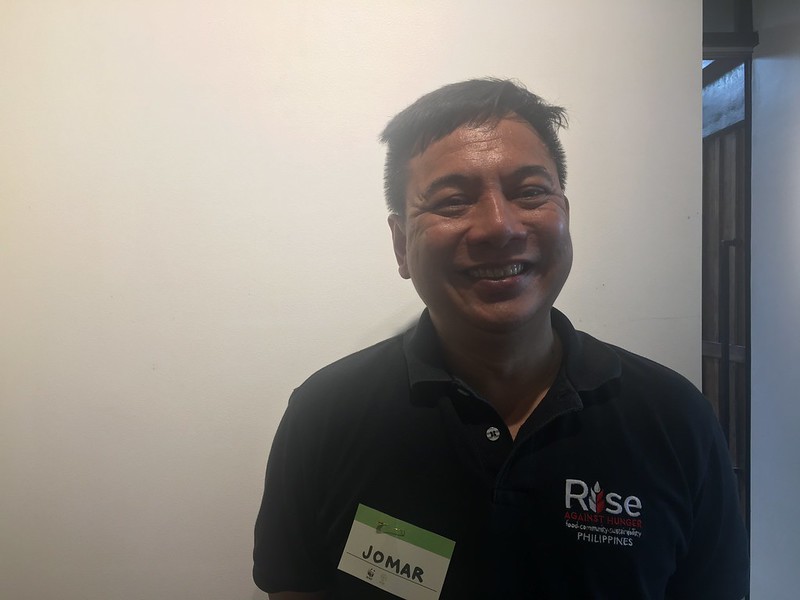
Jomar Fleras, the Executive Director of Rise Against Hunger Philippines, then talked about the hunger situation in the Philippines, with an emphasis on the role of food banks in both the alleviation of hunger and the rescuing of food that would otherwise be thrown away. He opened to the participants the option of food donation as a viable means of decreasing instances of food waste in their daily lives and contributing to the greater goal of sustainable development. “To those who are familiar with the Sustainable Development Goals, we know that at the very core of these goals is the capability to ensure food security at the household level. When it comes to SGD 2, which is Zero Hunger, there is absolutely no compromise. There are no reduction targets, plain as day, we need to end global hunger”,’ says Fleras. “With existing policy frameworks in the Philippines that encourage the donation of food for charitable purposes, food banking becomes a vital platform to the attainment of SGD 2 and the prevention of further food waste. With Rise Against Hunger Philippines and the Good Food Grocer, our mission is to provide nutritious and safe food to nutritionally at-risk individuals and families.”
Zero Food Waste, WWF-Philippines

Aside from donating food to avoid food waste, there is also much talk about the ways in which we manage our waste. Waste management is becoming a big problem, especially in developing countries like the Philippines where consumption in various forms, including food, has risen tremendously. Proper waste segregation can prove to be instrumental in salvaging food from our landfills, especially when 52.31% of our solid waste consists of biodegradables, which includes food waste and garden waste. This is where Solu comes in, and their Lead Strategist, Pang Delgra, made a great case on why our waste management systems need to innovate to keep up with the times. “The current waste management system is broken. People want to segregate, but they know the effort is futile when everything is just being brought to the same landfill anyway”,’ says Delgra.
“As a platform that connects all market participants and incentivizes citizens to sell their segregated waste materials, Solu enables Filipinos to make money from their waste and to help the environment through sustainable waste disposal”.

Zero Food Waste, WWF-Philippines

The micro-talks ended with a presentation on bokashi composting, led by Rina Papio, Founder of Greenspace by introducing the participants to the concept of bioremediation, or the use of biological organisms to break down environmental pollutants and solve environmental problems, Rina was able to paint a clear picture on how microorganisms can turn food waste into nutrient-rich compost that will help keep our soils healthy. “Bokashi composting is a great way for individuals to divert food waste away from our landfills. With the help of beneficial microorganisms, we can turn food waste into healthy soil and keep it from polluting the Earth”,’ says Papio. “With bokashi composting, anyone can create their own green space in just four easy steps. Just collect your food waste and layer it with bokashi bran, tightly seal your bokashi bucket to allow for anaerobic fermentation, mix your fermented food waste with soil, and then after four weeks, you will already be able to use the compost you made in your garden.” During the actual demonstration, the participants gamely participated in the afternoon bokashi workshop, where they learned first-hand how they can help regenerate the soil and even grow their own food using repurposed food waste in the form of bokashi compost. Afterwards, The Sustainable Diner team surprised the participants with a giveaway of 5 bokashi composting kits. The lucky winners will use these kits to start off and write about their composting journey.

Zero Food Waste, WWF-Philippines

By emphasizing to Filipino diners the need to reduce food waste and by introducing them to different food waste reduction and diversion techniques and platforms, WWF-Philippines hopes to foster a greater consciousness when it comes to addressing the effects of business-as-usual food consumption and production patterns. Sustainable dining is not just about the food that we are about to consume in the moment, but also about the food that we will leave behind. With innovation, ingenuity, and inspiration, it is possible to prove that here in the Philippines, there really is just no excuse nor place for food waste.

Zero Food Waste, WWF-Philippines

About WWF:

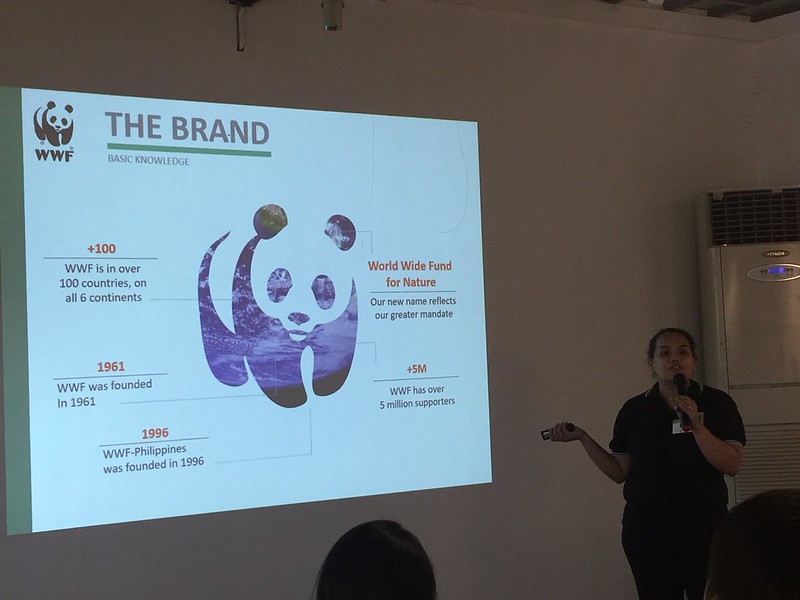
WWF is one of the world’s largest and most respected independent conservation organizations, with over 5 million supporters and a global network active in over 100 countries. WWF’s mission is to stop the degradation of the Earth’s natural environment and to build a future in which humans live in harmony with nature, by conserving the world’s biological diversity, ensuring that the use of renewable natural resources is sustainable, and promoting the reduction of pollution and wasteful consumption.

WWF-Philippines has been successfully implementing various conservation projects to help protect some of the most biologically-significant ecosystems in Asia since its establishment as the 26th national organization of the WWF network in 1997.

About SCP and The Sustainable Diner:

The Sustainable Diner project of WWF-Philippines aims to contribute to improving the
implementation of sustainable consumption and production (SCP) and lessening food wastage in the country. WWF-Philippines wants to engage the government, food service businesses, and consumers so they will support sustainable dining practices and help make the Philippines’ food service industry more environmentally friendly.

The Sustainable Diner project, under Sustainable Consumption and Production, is part of the International Climate Initiative (IKI). The Federal Ministry for the Environment, Nature Conservation, and Nuclear Safety (BMU) supports this initiative on the basis of a decision adopted by the German Bundestag.

For more details about WWF-Philippines and its initiatives, visit wwf.org.ph.

Details provided by WWF-Philippines in a recent press release.

Check out my posts related to conservation and the environment:

How moms can nurture a love for reading among kids

With all content available in a myriad of forms and platforms, sometimes we parents wonder how we can instill a love of reading among our kids.

Wishing to do so is not being out of touch with the times. Studies have shown that avid readers have certain advantages over their peers. Since reading is a more complex activity than watching video content on television or other gadgets, it helps to exercise their brains, improving concentration and imagination, as well as their vocabulary and language skills. A well-read child may have a better and more expansive understanding of the world around him and may be able to develop empathy for others.

MomSchool 3.0, Mommy Mundo

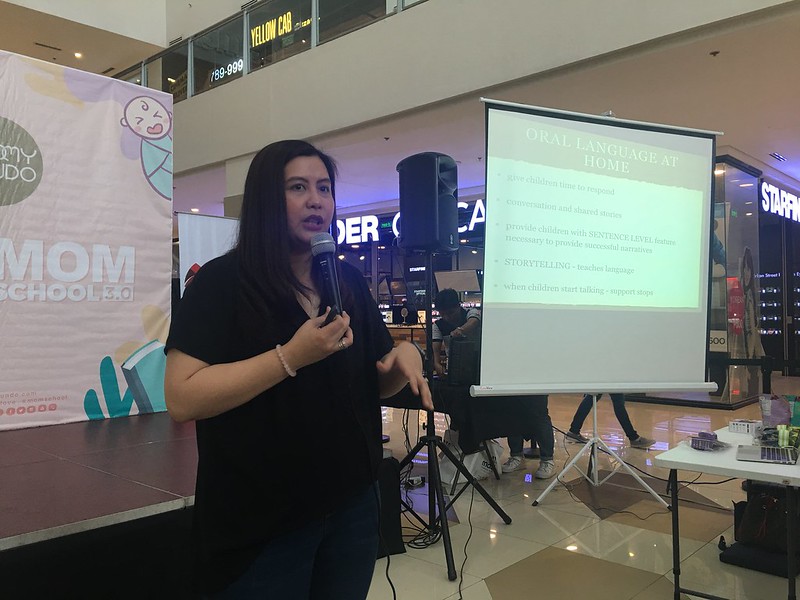
In a recent Mommy Mundo #MomSchool learning session “Raising Readers and Writers in the Digital Age,” mom and Keys School literacy coordinator Monica Lopez Javier shared some insights and tips on how parents can help foster a love of reading among their kids.

MomSchool, Mommy Mundo

For Teacher Monica, talking to your kids starting from early childhood is very important.

“Talk is the foundation of learning,” she shares. “Through language, meaning is built.”

She encourages parents to develop oral language at home, to facilitate kids in communicating and interacting with them. Kids should learn how to tell stories to learn how to put the things and situations around them in perspective or context.

Some tips she shared include:

  • Respect their think time. Younger children take time respond to your conversation prompts. Allow them the time to process the conversation and respond to you.
  • Establish rituals of conversation. Make time when you’re available to converse with your kids. Set up long talks with the kids when you can communicate with them at length.
  • Talk about complex topics. As kids grow older, allow them to process more complex ideas as they communicate with you. When letting them talk about their day, ask them what they learned or what they plan to do.
  • Don’t shy away from trouble stories. Don’t raise your kids in a bubble. For example, tell them about the bad day you’re having and how you cope with it. They will be able to express to you their similar emotions as well as model their response to challenging situations after yours.
  • Teach them to listen. Kids should be encouraged to respond thoughtfully. Help them understand that when they listen, even to opposing views, their ideas can grow.
  • Support their language development through reading. Kids’ vocabularies are better developed by reading. It also through reading that they encounter fresh concepts and ideas. Parents are encouraged to read aloud to younger kids so that children will develop a love for words and imagination that reading affords. For older children, parents are urged to discuss the books that the kids read; this will help them process what they learn from books and develop critical thinking.

Parents may be worried that buying more and more books may be a strain on the budget. Teacher Monica advises looking for libraries in your area where you or your kids can borrow books.

Growing up as a child of a reader, and becoming an avid reader myself, I can attest to the hours of enjoyment and the fun of discovery that I experienced since childhood. Being a reader has also informed my writing and my current work in marketing and in blogging.

Novotel Manila Araneta Center

MomSchool 3.0, Mommy Mundo

I’m proud that I have helped to instill the same love for reading in my daughter.

MomSchool, Mommy Mundo

MomSchool, Mommy Mundo

This #MomSchool learning session held at the Ayala The 30th Activity Center was organized by Mommy Mundo, a community of moms dedicated to making motherhood easier, happier and more fulfilling for every mom through various avenues and activities.

Want to be on your way to developing future avid readers? Below is a list of the books that Teacher Monica recommends for reading aloud to kids.

Goodnight Moon by Margaret Wise Brown

My World by Margaret Wise Brown

The Runaway Bunny by Margaret Wise Brown

The Art Lesson by Tomie dePaola

Tom by Tomie dePaola

Strega Nona by Tomie dePaola

The Cloud Book by Tomie dePaola

A Chair for My Mother by Vera B. Williams

Bunny Cakes by Rosemary Wells

Freight Train by Donald Crews

Amelia Bedelia by Peggy Parish

Henry and Mudge by Cynthia Rylant

Owl Moon by Jane Yolen

My Father’s Dragon by Ruth Stiles Gannett

Frog and Toad Are Friends by Arnold Lobel

Charlotte’s Web by E.B. White

Stuart Little by E.B. White

Matilda by Roald Dahl

This post contains affiliate links.

Love books and reading? Try Kindle Unlimited on Amazon. Signing up will give you unlimited access to over one million titles as well as unlimited listening to thousand of books with Audible narration. Get your first month FREE.

No Kindle device? Download the Kindle App for FREE to read your favorite books anytime and anywhere.

Header photo by Kim Sergeev on Unsplash

Gave my nails a treat at Nailaholics, SM Pasig

I seldom get manicures or pedicures: having been blessed with nails resistant to chipping or breaking while within a reasonable length, I just usually cut my nails myself every month or so. Also, I usually devote the time and money for this kind of self-care towards other pursuits (like foodie meetups, yeah!).

Surprisingly though, far from being a frivolous self-indulgence, getting nails done actually can be very beneficial to most women’s well-being.

How?

A mani-pedi session at a local nail spa or salon is a precious moment when a woman can unplug from the usual concerns of work and family life. The half-hour it takes for a nail specialist to clean, cut, shape and file a woman’s nails is time she can spend with her phone hidden away as she lounges on a comfy chair with her hands and feet up. Many girls take this as an opportunity to de-stress.

A treatment also oftentimes include a relaxing hand and foot massage that helps improve blood circulation and ease joint movement in these limbs.

Furthermore, regular nail treatments also reduces the chances of nails developing fungi and other infections, thanks to the intensive cleaning that they go through.

I recently got to treat myself to these health benefits when I got a free mani-pedi treatment at Nailaholics at SM Pasig (thanks to my good friend Jen of SandUnderMyFeet.com for the GC!).

Nailaholics, SM Pasig

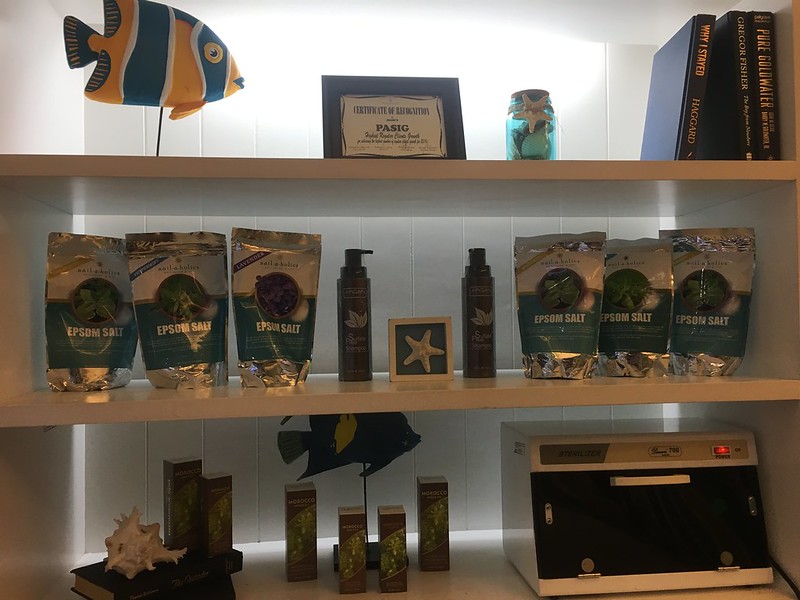
Nailaholics is a chain of nail salons that seek to provide the metro’s denizens with a place to escape to and get pampered.

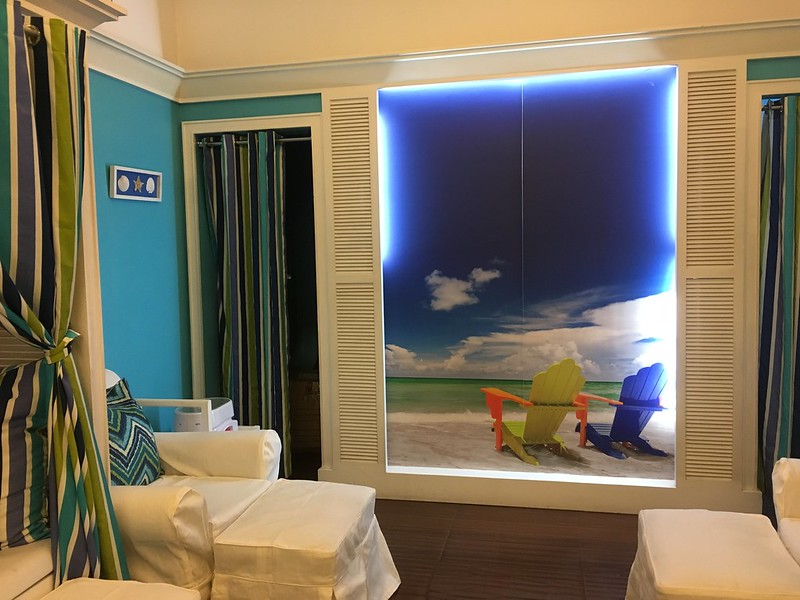
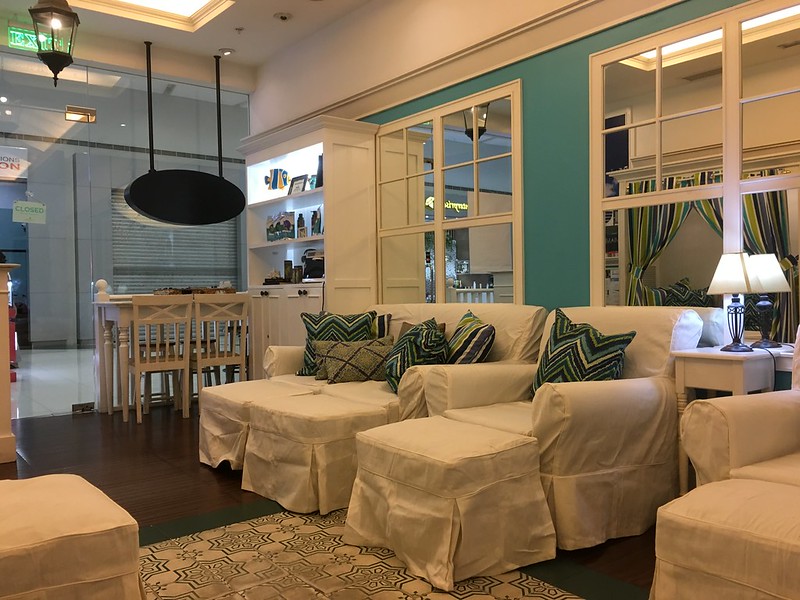
Inspired by the chic and luxurious beach life along the Hamptons coast, its premises are marked by seaside inspired colors and decor. Soft mood piped-in music also contributes to the relaxing atmosphere.

Nailaholics, SM Pasig

Nailaholics, SM Pasig

Nailaholics, SM Pasig

Nailaholics, SM Pasig

Nailaholics, SM Pasig

Nailaholics, SM Pasig

After ushering me to a lounge chair, my nail technicians (NTs) Issa and Dicel set about giving me and my nails a much-deserved treat which included:

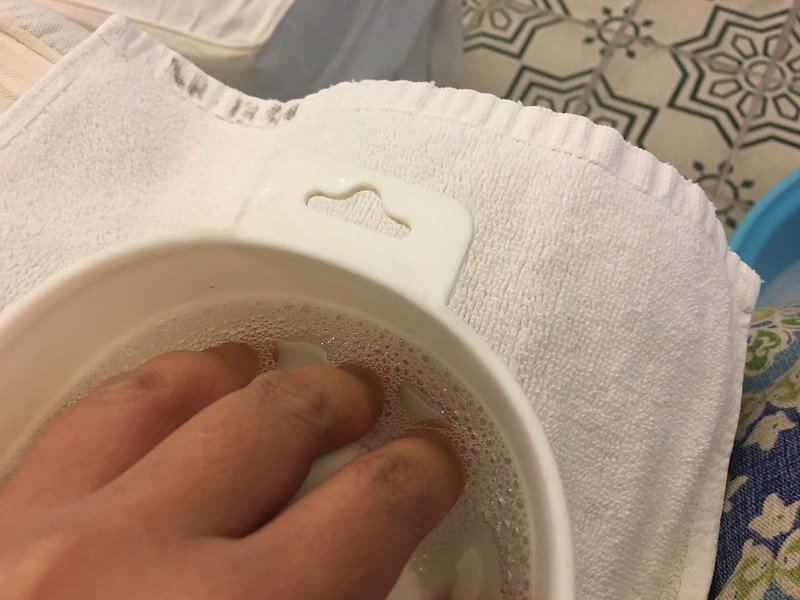
Soaking my hands and feet in warm scented water for a few seconds. This helps to moisturize and soften my nails prior to the treatment.

Nailaholics, SM Pasig

Nailaholics, SM Pasig

Shaping my nails. My nails usually grow in a rounded shape so the NTs just clipped and filed my nails following this natural shape. This actually results to stronger nail growth.

Nailaholics, SM Pasig

Nailaholics, SM Pasig

Cleaning. A cuticle cream is applied to my nails and the cuticle is gently pushed down to create an appearance of longer nails.

Hand and Foot Massage. My hands and feet were applied with lotion and given a gentle reflexology massage. Ooh, this made me want to go back the very next day!

Nailaholics, SM Pasig

I opted not to have my nails colored because, being a no-frills girl at heart, I didn’t want the responsibility of maintaining colored nails.

My mani-pedi treatment at Nailaholics was a welcome respite from the daily grind. Knowing that it actually contributes to my overall health, and to my confidence in presenting myself to the world, are welcome bonuses.

Nailaholics, SM Pasig

Now I’m thinking of treating my best gals to a nail spa day at Nailaholics for my birthday.

This Nailaholics branch is located at Unit 148 SM Center Frontera Verde C5 Ugong, Pasig City. Other branches in metro are located in the following cities:

  • Makati: Cash and Carry, Glorietta 3, Ayala Malls Circuit
  • Quezon City: Eastwood Citywalk, Fishermall, Gateway Mall Cubao, Robinsons Galleria, SM Fairview, Ayala Malls Cloverleaf
  • Muntinlupa: Festival Mall Alabang, SM Muntinlupa
  • Manila: Lucky Chinatown Mall, SM Manila
  • Taguig: Uptown Mall BGC, Market! Market!
  • Pasig: Robinsons Metro East
  • Paranaque: SM Bicutan, SM Sucat, SM BF
  • Las Pinas: SM Las Pinas, SM Southmall
  • Pasay: SM Mall of Asia
  • Marikina: SM Marikina, Ayala Malls Feliz
  • Mandaluyong: SM Megamall
  • San Juan: Unimart Greenhills

For more details, visit the Nailaholics website.

Healthy Thai Milk Tea at Jelly G, UP Town Center

Milk tea has never been more prevalent lately, but did you know that Thai milk tea has been around much longer than the boba milk teas we’ve been craze-ing about?

In fact, Jelly G, a chain of stores specializing in Thai milk tea, has been operating since 2010.

Jelly G Thai Milk Tea, UP Town Center

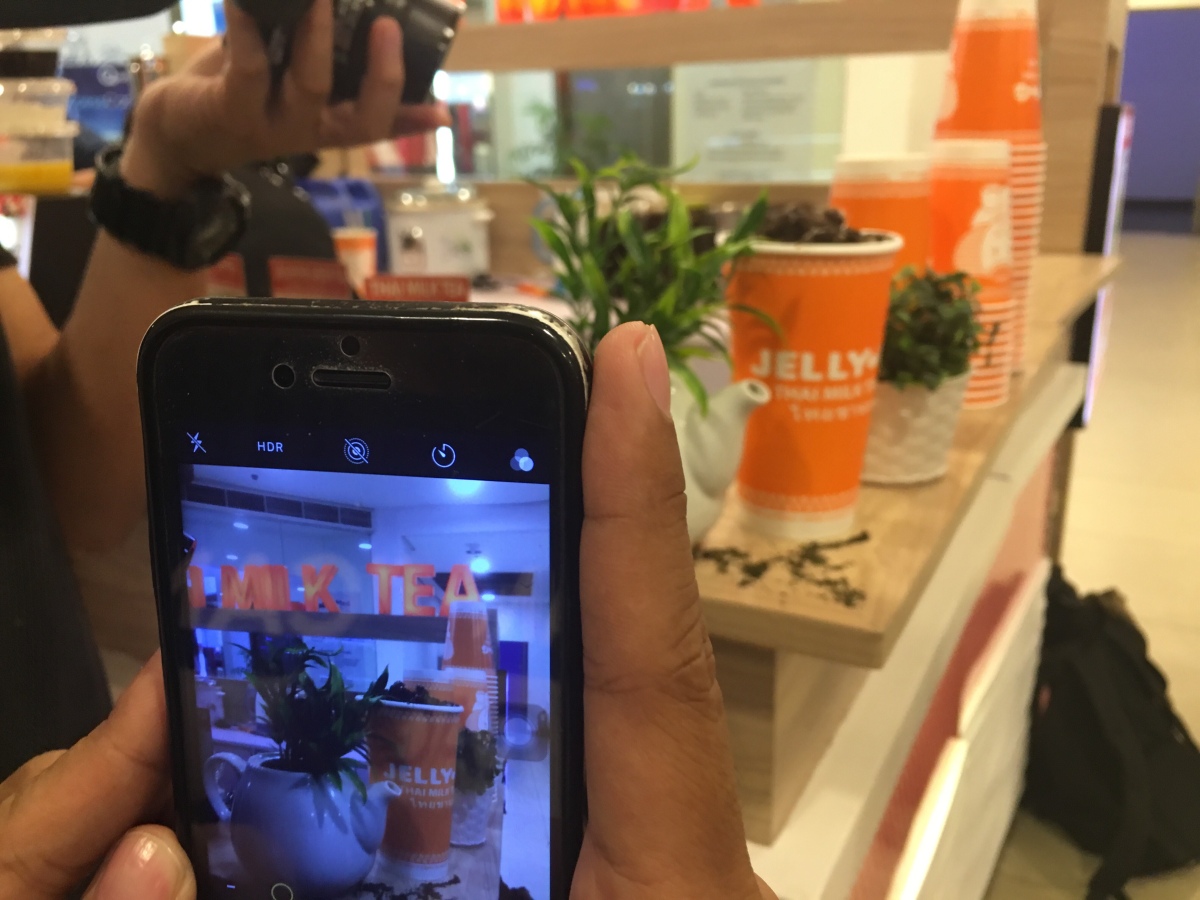
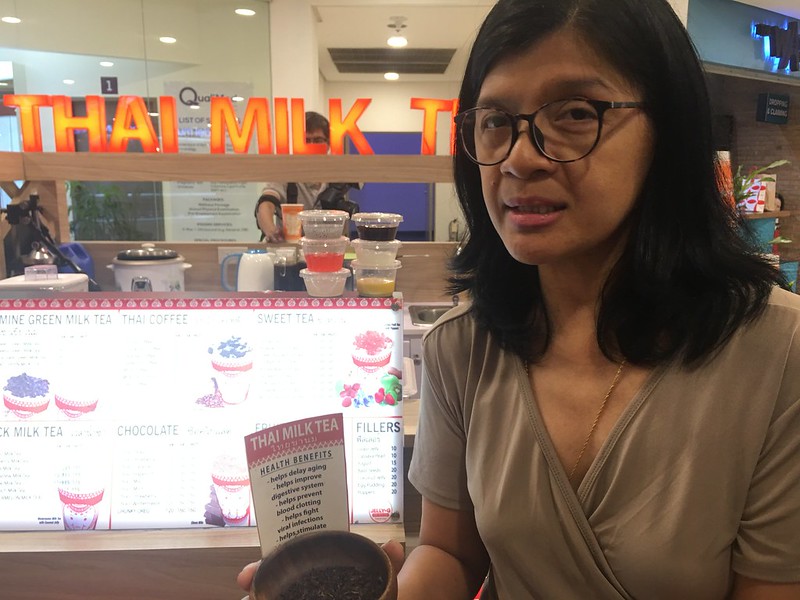
Together with other food bloggers of #SaanSaPH, I was invited to a tea-tasting at the UP Town Center branch of Jelly G. This where owner Jolly dela Pena and her staff showed us all the wondrous variety of deliciously refreshing drinks Thai milk tea can be made into as well as its myriad of health benefits.

Jelly G Thai Milk Tea, UP Town Center

Thai milk tea is made from black tea – the tea variant with the boldest and most complex flavor – with added crushed anise seeds and tamarind seeds and sweetened by condensed milk, giving it that distinct and exotic flavor.

At Jelly G, the teas are prepared and steeped in small batches daily, ensuring freshness and full flavor. Grass jelly – a healthier option to the usual black pearls as it is an antioxidant and aids in digestion – are also added on to some of the drinks: hence the name Jelly G.

Thai milk tea is good for you as it helps in delaying aging, improving digestion and fighting infection. So you can bet that aside from treating your taste buds to some delish milky goodness from your Jelly G drinks, you’re also treating the rest of you to some much-needed nutrients.

Check them out:

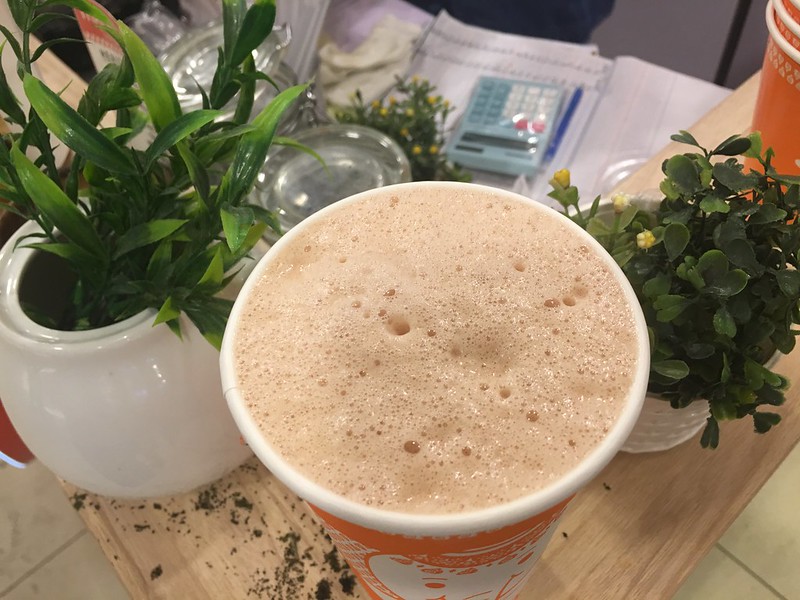
King Thai Milk Tea (Php75 | Php95). Made with black tea, condensed, evaporated and powdered milk mixed with brown sugar with grass jelly, this is the classic taste of Thai Milk Tea.

Jelly G Thai Milk Tea, UP Town Center

Cheesy Thai (Php85 | Php115). Now take the deliciously exotic taste of Thai Milk Tea and add cheddar cheese and rock salt. Imagine milky sweetness and the slight saltiness from the cheese in one heavenly drink.

Jelly G Thai Milk Tea, UP Town Center

Pink Sala Fruit Tea (Php75 | Php95). Sala (also known as snake skin fruit) is a type of palm native to Indonesia and cultivated in other Southeast Asian countries like Thailand. The sweet pink-hued juice of the sala is then combined with black tea and brown sugar with a few spoonfuls of popping strawberry balls for added bursts of fruity sweetness.

Jelly G Thai Milk Tea, UP Town Center

Queen Green Milk Tea (Php75 | Php95). Jelly G uses jasmine green tea, a tea variant known to help in fighting cancer, heart diseases, diabetes and strokes as well as staving off dementia. In this drink, jasmine tea is combined with condensed, evaporated and powdered milk and brown sugar with chewy black tapioca pearls stirred in.

Jelly G Thai Milk Tea, UP Town Center

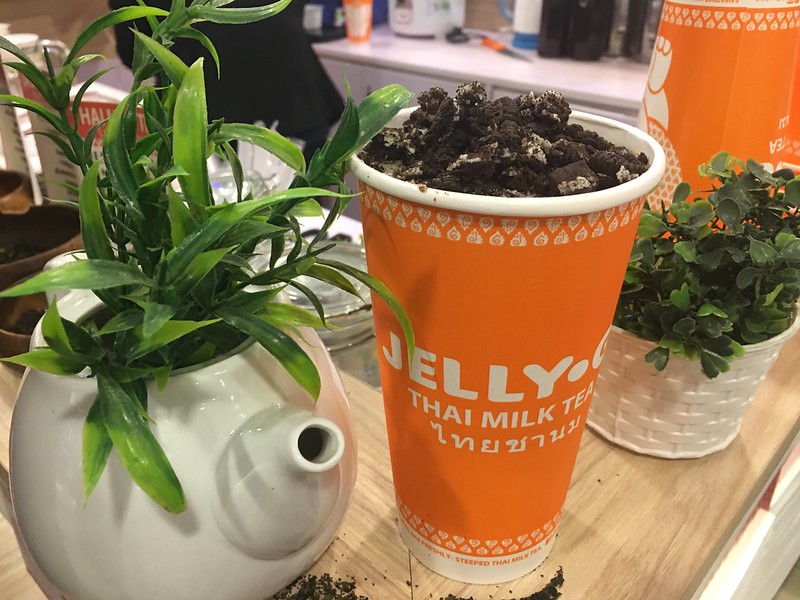
Oreo Coffee (Php95 | Php125). This time Thai coffee takes center stage. Made with ground arabica beans, Thai coffee is brewed then mixed with condensed milk and crushed Oreo cookies, making this a dessert and drink in one cup!

Jelly G Thai Milk Tea, UP Town Center

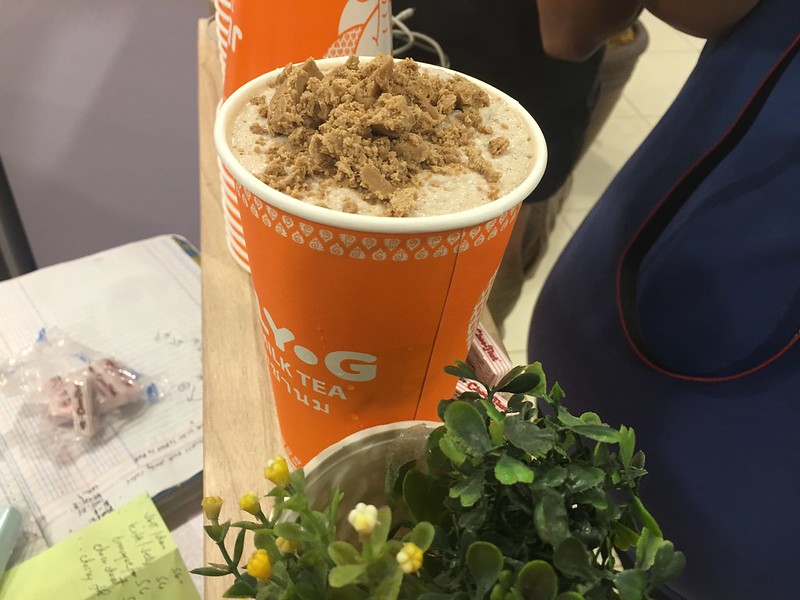
Choco Chocnut (Php120 | Php160). Chocolate is mixed into tea and that candy mainstay of Pinoy food pop culture Chocnut, made from coconut milk, crushed peanuts and cocoa powder. A sip of this yummy confection brings back so many fond childhood memories.

Jelly G Thai Milk Tea, UP Town Center

With this selection of drinks, Jelly G has proved to me and my fellow foodies that Thai milk tea deserves more time in the spotlight.

Jelly G Thai Milk Tea, UP Town Center

Jelly G Thai Milk Tea, UP Town Center

This Jelly G Thai Milk Tea stall is located at Ground Floor, UP Town Center, Katipunan Avenue, Diliman, Quezon City (in front of National Bookstore).

Another stall can be found at Third Floor, Market! Market!, Bonifacio Global City, Taguig City.

No time to visit Jelly G’s mall-based stalls? Why not have your Thai milk tea delivered via Grab delivery?

Jelly G Menu, Reviews, Photos, Location and Info - Zomato

Disclosure: Together with other food bloggers of #SaanSaPH, I was invited to attend a foodie meetup held here wherein in drink items were served to allow us to sample the fare. These were not paid for by the attendees, including myself.

Check out my reviews of other milk tea joints: