
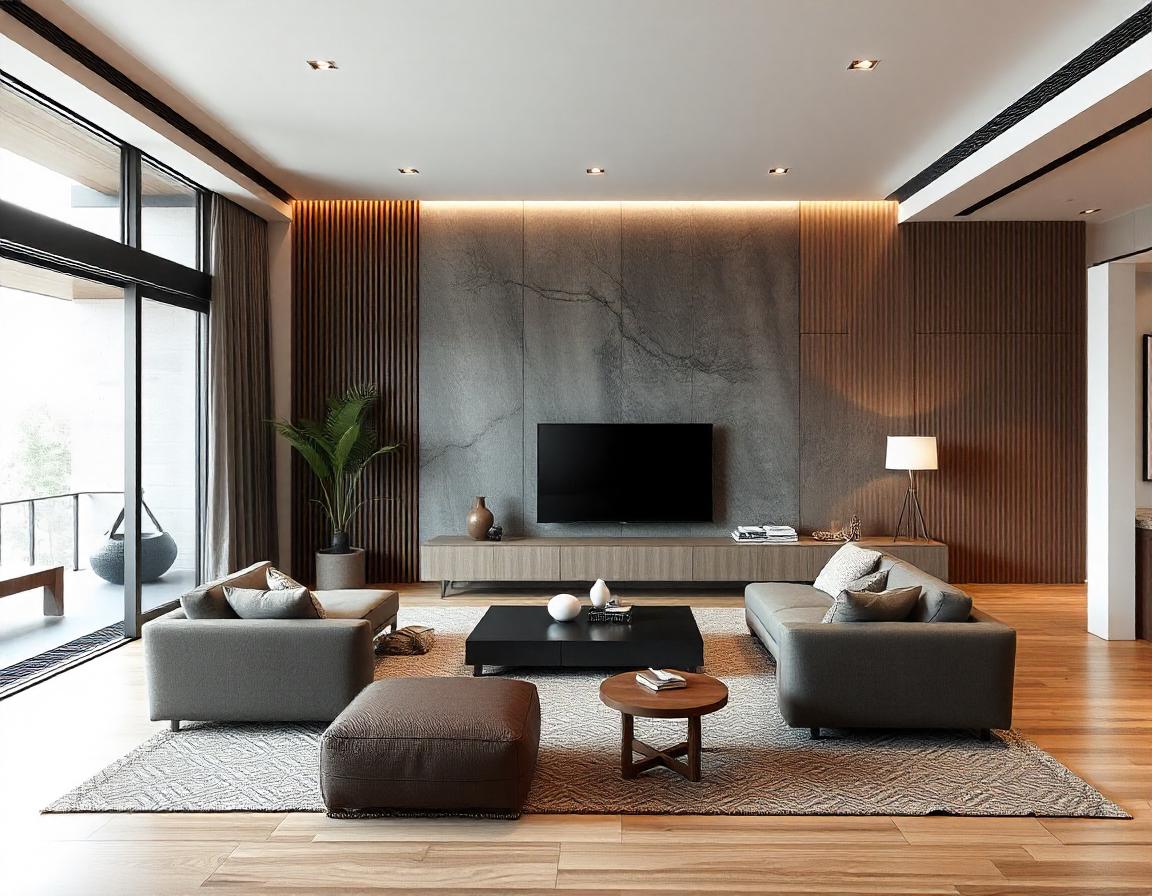
Minimalist and functional home designs are becoming increasingly popular, especially as we spend more time indoors. Japanese interior design, known for its calming aesthetic, practical elements, and connection to nature, offers a perfect solution for those looking to bring simplicity and serenity into their homes. In this guide, we’ll explore key Japanese design concepts and show how you can apply them to your own living spaces. Plus, we’ll highlight how Nitori, the Japanese furniture store that recently opened its first two stores in the Philippines, can help you achieve these ideas effortlessly.
1. Embrace Simplicity: The Power of Kanso
The Japanese principle of Kanso revolves around simplicity and the removal of unnecessary items. It’s about creating an open, clean, and uncluttered environment.
How You Can Apply It:
Start by decluttering your space. Keep only the items that serve a purpose or hold significant value. This can be particularly useful if you’re working with smaller rooms or apartments, where every square meter counts. Consider investing in multi-functional furniture like beds with built-in storage or foldable dining tables to keep things practical without overcrowding your home.
Tip: Use smart storage solutions like sleek cabinets or storage bins that fit neatly into your space. This will help reduce visual clutter and make your home feel more peaceful and organized.

2. Achieving Balance Through Asymmetry: Fukinsei
In Japanese design, the concept of Fukinsei embraces asymmetry and imperfection, showing that balance doesn’t always mean everything has to be perfectly aligned. It may sound unconventional, but this principle can make your home feel more dynamic and visually interesting.
How You Can Apply It:
Try arranging your furniture in a way that isn’t perfectly symmetrical. For example, rather than centering your sofa in the middle of the room, move it slightly to one side and balance it with other elements like a side table or a houseplant.
Tip: Mixing different shapes and textures, such as pairing a round coffee table with angular chairs, creates an interesting contrast while still keeping the space balanced.
3. Bringing Nature Indoors: The Principle of Shizen
A strong connection to nature is central to Japanese design, as shown by the principle of Shizen. Incorporating natural elements into your home fosters a calming, grounded atmosphere.
How You Can Apply It:
Use materials like wood, stone, or bamboo to introduce a natural touch. Rattan furniture or decor made from sustainable, local materials is both stylish and eco-friendly. Adding indoor plants is another easy way to embrace Shizen. You could try low-maintenance plants like snake plants, peace lilies, or even a small bonsai tree to bring life and greenery to any room.
Tip: Maximize natural light by using sheer curtains or keeping your windows unobstructed during the day. Letting in more light not only enhances the room’s beauty but also has mood-boosting effects.

4. Finding Beauty in Simplicity: Shibumi
Shibumi refers to understated elegance—beauty that is subtle and refined, rather than loud or flashy.
How You Can Apply It:
When selecting furniture and decor, go for timeless, high-quality pieces that don’t rely on trends. Stick to a neutral color palette like beige, soft browns, and light grays. These colors create a soothing environment that allows your furnishings to stand out without overwhelming the space.
Tip: A minimalist color palette doesn’t mean your home has to be boring. Texture plays an important role in Japanese design, so consider adding layered textiles or natural fabrics to give your space depth without clutter.
5. Less is More: The Concept of Yugen
In Japanese interior design, Yugen emphasizes subtlety and restraint. It’s all about creating a space that feels elegant without being overly decorated.
How You Can Apply It:
Rather than filling every corner with decor, select a few key pieces that hold meaning or beauty. For instance, a single statement piece like a vase or an art print can add character to a room without overwhelming it.
Tip: Use furniture with clean lines and minimal embellishments. A simple, well-designed wooden dining table or a low-profile sofa can make a big impact while keeping your space uncluttered.

6. Break Free from Routine: Datsuzoku
The concept of Datsuzoku encourages breaking free from ordinary routines and embracing creativity. It invites you to experiment with new elements that spark joy and curiosity.
How You Can Apply It:
Don’t be afraid to blend different styles or mix in unexpected elements. For example, you could combine Filipino decor like capiz shell lanterns with sleek, minimalist Japanese furniture. This fusion can create a unique and personalized look in your home.
Tip: Small changes, like rearranging furniture or adding a bold accent color, can refresh your space without requiring major renovations.
7. Creating Tranquility: The Principle of Seijaku
Seijaku refers to creating an atmosphere of calm and stillness. It’s that feeling of peacefulness you experience when entering a Zen garden, and you can bring that same sense of serenity into your home.
How You Can Apply It:
Set aside a dedicated space in your home for relaxation and quiet. It doesn’t have to be large—it could be a cozy reading nook or a corner of your living room. Incorporate soft lighting and comfortable seating to enhance the tranquil atmosphere.
Tip: Soft textiles like plush rugs, throw pillows, and dimmable lighting can make a big difference in creating a relaxing space, especially in the evenings when you want to wind down.
How Nitori Can Help You Achieve Japanese Design in Your Home
Now that you’re inspired to incorporate Japanese design principles, you might wonder where to find the right furniture and decor to bring your vision to life. This is where Nitori comes in. As Japan’s largest furniture and home retail chain, Nitori offers a wide range of affordable, high-quality products that perfectly align with the concepts of simplicity, natural elements, and elegance.


Whether you’re looking for minimalist furniture, natural materials, or space-saving solutions, Nitori has something to suit your needs. Their thoughtfully designed products make it easy to introduce Japanese interior design principles into your home without sacrificing comfort or practicality. With stores now open in Mitsukoshi BGC and Glorietta 4, you can visit in person or browse their online catalog for inspiration.
Tip: Nitori’s versatile and affordable options mean you can gradually transform your space, adding pieces over time as you discover what works best for your home.
Japanese interior design offers a beautifully balanced approach to home living, with its emphasis on simplicity, functionality, and a deep connection to nature. By adopting principles like Kanso, Shizen, and Seijaku, you can transform your home into a more serene, organized, and peaceful space. With Nitori’s recent arrival in the Philippines, it’s now easier than ever to achieve this transformation. So, why not start today? You’ll soon enjoy the benefits of a home that feels calm, inviting, and refreshingly simple.


Nitori outlets are located at:
- 3rd Floor, Mitsukoshi BGC, 8th Avenue corner 36th Street, Grand Central Park, North BGC, Taguig (open Mondays through Fridays from 11am to 10pm and Saturdays through Sundays from 10am to 10pm)
- 3rd Floor, Glorietta 4 Ayala Center, Barangay San Lorenzo, Makati City (open Mondays through Fridays from 11am to 10pm and Saturdays through Sundays from 10am to 10pm)
Know more about Nitori Philippines by visiting its website or following it on Facebook, Instagram, Youtube and Tiktok.
Photo Credits:
- Room pictures generated by Freepik AI
- Store photos were taken during a recent visit to Nitori’s Glorietta branch.
Discover more from Jellybeans in the City
Subscribe to get the latest posts sent to your email.

 Jellybeans in the City
bet Ko din ang simple lang kasi Relaxing Pagmasdan At ang daming Mabibili Dito Sa Nitori, which is simple lang at ang gaganda Yung mga items
LikeLike
Yay love it super ganda naman ng japanese design,thank you for the tips ganda nito gawin sa bahay.
LikeLike