Reuse & Refill: Solving the plastic crisis in the Philippines

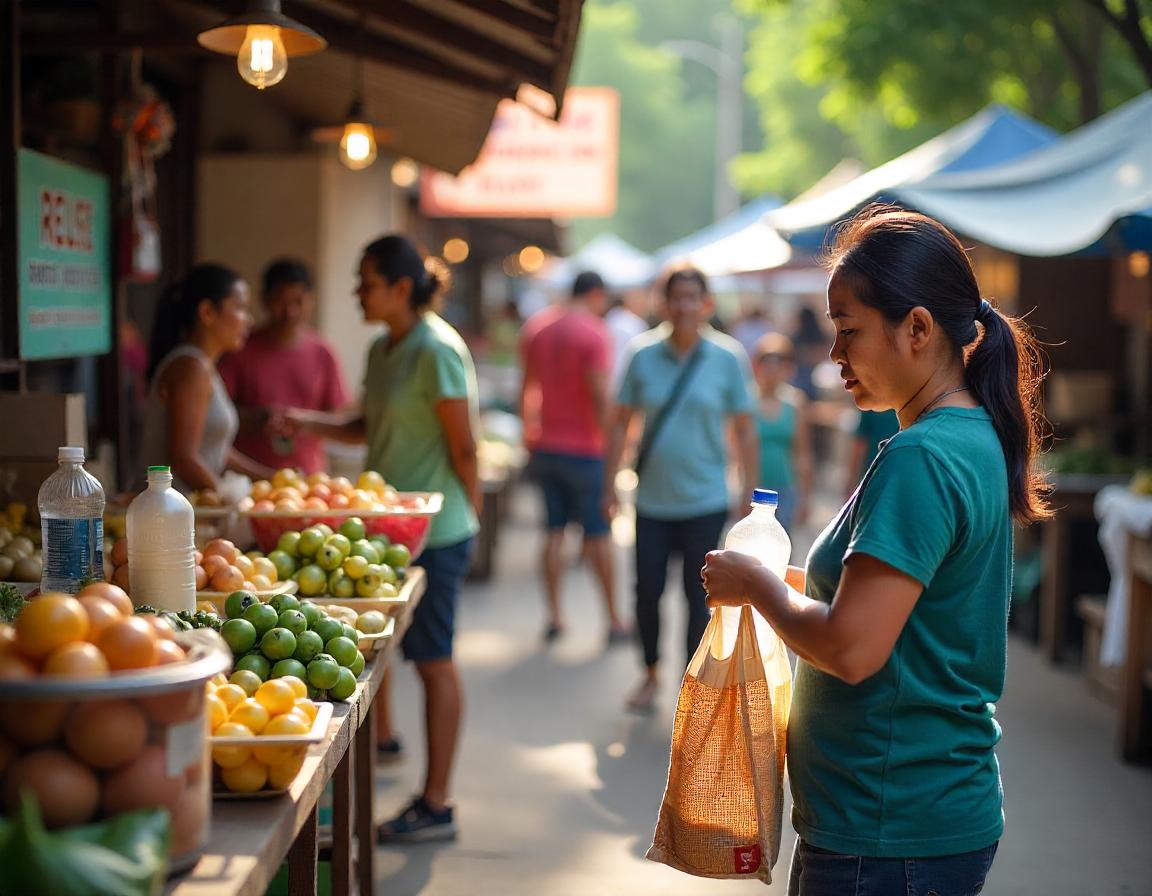
Imagine a bustling Filipino market, where the stalls are brimming with fresh produce and vendors call out prices in a lively chorus, but what’s noticeably missing in this scene is the crinkle of plastic packaging. Instead, shoppers carry reusable bayongs, reminiscent of a time when environmental responsibility was simply a way of life. This glimpse into a sustainable future isn’t just wishful thinking—it’s a vision that could become reality through the widespread adoption of reuse and refill systems.

The Plastic Crisis in the Philippines

The Philippines faces a mounting plastic crisis. Every day, the country consumes 163 million sachets, 48 million shopping bags, and 45 million thin film bags. This dependence on single-use plastics is fueled by convenience, but it comes at a staggering cost to the environment, public health, and society at large. Plastic waste clogs waterways, endangers marine life, and contributes to greenhouse gas emissions across its lifecycle, from production to disposal.

While waste management initiatives abound, they merely address the symptoms of the problem rather than its root cause. Developed nations with robust waste management systems still grapple with plastic pollution, often exporting their waste to low-income countries like the Philippines. The conclusion is clear: managing waste isn’t enough. The real solution lies in reducing plastic production and embracing sustainable alternatives.

Why Reuse and Refill Systems Matter

At the heart of the solution are reuse and refill systems—innovative models designed to eliminate single-use plastics. These upstream solutions tackle the plastic crisis at its source, significantly reducing environmental, social, and health impacts. By replacing disposable packaging with reusable alternatives, these systems can slash plastic pollution, curb greenhouse gas emissions, and create economic opportunities.

Research underscores their potential. A European study comparing reusable and single-use detergent packaging found that the reusable option had 12 times less environmental impact. Scaling reuse models in the food and beverage sector could reduce resource consumption by over 27 million tons by 2030, demonstrating both ecological and economic benefits.

Lessons from the Past and Existing Models

Ironically, the Philippines has long embraced reuse practices. Before single-use plastics dominated the landscape, the tingi-tingi culture revolved around reusable containers. Customers refilled jars with cooking oil or soy sauce at neighborhood stores and carried their goods in woven bayongs. Today, this traditional mindset is echoed in emerging reuse models globally and locally.

Water refilling stations, a staple in many Filipino communities, exemplify the practicality of reuse systems. Other models, such as returnable glass bottles and refill-on-the-go stations in zero-waste stores, show how businesses and consumers can work together to reduce waste.

Policy Recommendations for a Reuse Revolution

To mainstream these practices, Greenpeace has proposed a comprehensive policy framework. Key recommendations include setting ambitious targets for businesses to transition to reuse systems—50% of plastic packaging by 2030—and offering incentives to enterprises that lead the charge. Producers and retailers must collaborate to design standardized refill systems that are cost-effective and scalable.

The fast-moving consumer goods sector, a major driver of single-use plastic consumption, is pivotal. Policies should mandate refill stations for essentials like cooking oil, shampoo, and laundry detergent. Such initiatives could transform the market, making reusable packaging the norm rather than the exception.

Challenges, of course, remain. The upfront costs for businesses to adopt reuse systems and the effort required to shift consumer habits are significant hurdles. However, with the right policies and incentives, these obstacles can be overcome.

Incentives and Consumer Engagement

A successful transition to reuse and refill systems requires buy-in from both businesses and consumers. Financial incentives, such as tax breaks for enterprises and discounts for customers using reusable containers, can drive adoption. Non-financial incentives, like loyalty programs offering rewards for refill transactions, can further encourage participation.

Public awareness campaigns are equally crucial. Educating communities about the environmental and health benefits of reuse systems can shift attitudes and foster a culture of sustainability. Schools, local governments, and businesses must collaborate to ensure these messages reach all corners of society.

As the market scene fades into the bustling chaos of daily life, it serves as a poignant reminder of what’s at stake. The Philippines has the opportunity to lead a reuse revolution, addressing the plastic crisis while fostering a cleaner, fairer, and more sustainable future.

This vision isn’t just the responsibility of governments and corporations—it’s a collective endeavor. Shoppers can bring their own containers. Vendors can advocate for refill systems. Policymakers can champion bold reforms. Together, we can turn the tide on plastic pollution and ensure that future generations inherit not just a cleaner Philippines, but a planet where reuse and sustainability are second nature.

Read more of Greenpeace’s policy recommendations here.
Mondelez invites you to bring your plastic waste to the mall

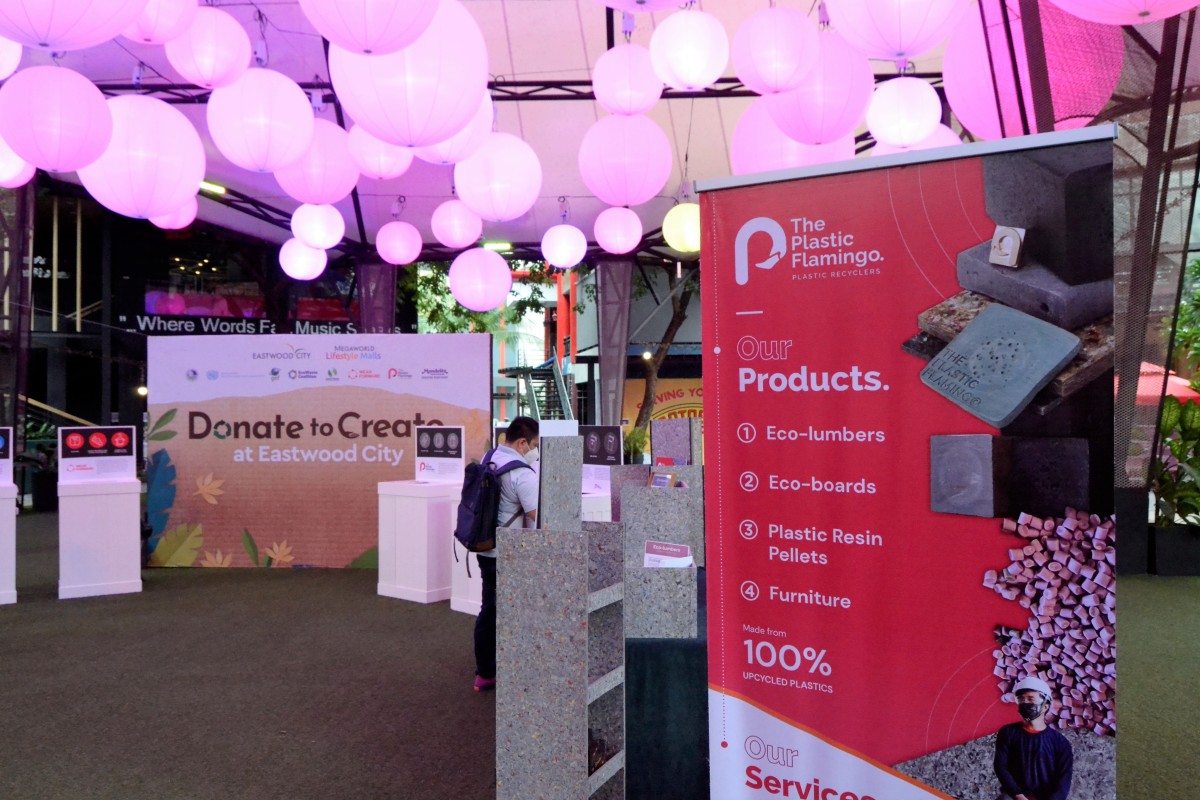
Snacks company Mondelēz International in the Philippines is continuing its partnership with social enterprise The Plastic Flamingo (PLAF) for plastic waste collection and recycling. Started in 2020, the growth of the partnership shows the potential of the recycling industry in the Philippines and how it can support waste management to avoid marine litter. This 2022, Mondelēz International and PLAF are working with Megaworld Corporation for plastic collection initiatives in five of its malls to provide avenues for communities to practice proper waste collection and disposal. 

Not many people know what happens to plastic waste after it is thrown in the waste bin. Ideally, when you throw it in the bin, plastic waste should end up in the Materials Recovery Facility (MRF) of your barangay for segregation – if not already segregated at home or by your waste collectors. After segregation, the plastic is recycled depending on its type, whether it is a bottle or sachet. In the Philippines, plastic recycling companies and organizations already exist and are growing; providing ways for waste to be reused. However, not all waste follows this ideal journey, plastic or not. The unfortunate reality is that waste whether plastic, metal, or paper ends up as litter when it is not disposed of properly in bins, or if they are collected but illegally dumped in open land or in bodies of water. 

Mondelez
L to R: Erica Reyes, The Plastic Flamingo Chief Operating Officer, Atty. Joseph Fabul, Mondelēz International Country Manager for Corporate and Government Affairs, Aleli Arcilla, Mondelēz International, VP and Managing Director and Denisse Malong, General Manager for Eastwood City

Providing Ways for Plastic to be Recycled 

Contrary to the misconception that plastic is waste, the PLAF is demonstrating that it can be reused to make new things that we need. “We want to become part of the solution, and not the pollution,” shares PLAF Chief Operating Officer Erica Reyes. “Our work at PLAF consists of collecting, segregating, transforming and designing plastic for reuse. We make practical construction materials out of plastic, like eco-lumber and eco-boards. This ensures that we are able to recycle plastic and at the same time help reduce the use of precious resources like wood or minerals to make furniture or even shelters.” Currently, the PLAF can make and sell eco-lumber and eco-boards which can be used to make outdoor furniture, bike racks, benches, tables and others. 

Strengthening the Circular Economy 

“We support circular economy organizations like the PLAF,” explains Mondelēz International Country Manager for Corporate and Government Affairs, Atty. Joseph Fabul. “The Circular Economy is one where plastic remains in the economy by being reused and recycled; and stays out of the environment. Our goal is to make snacks with better packaging, to make it easier to recycle; to use less packaging by optimizing our pack sizes; and supporting improved systems through the collection of as much plastic as we put into the environment. We call this focus sustainable snacking, where people and planet thrive.” 

He continues, “We have worked with the PLAF since 2020 to collect post-consumer plastic for reuse and recycling. Since then, the plastic we have collected has been turned into outdoor furniture which were donated to the City of Paranaque and into eco-boards which are sold by the PLAF to fund further collection activities.” 

From 2020 to 2021, Mondelez International and PLAF have collected 43,000 kilos of post-consumer plastic which were repurposed into upcycled products. For this year, the company continues to strengthen its partnership with the social enterprise to collect and recycle another 20,000 kilos and turn it into usable eco-boards.

This year, Mondelēz International is also supporting PLAF’s partnership for a year-long waste collection drive in five Megaworld Lifestyle Malls, namely Eastwood Mall, Lucky Chinatown Mall, McKinley Hill, Uptown Bonifacio and Arcovia City. The collection drive begins on August 15 in Eastwood Mall, and for three launch days in each mall, consumers who bring in their plastic waste can get Mondelēz International treats as thanks for helping support proper waste management.

“Sustainability is in one of our core thrusts as a company, we are always open to collaborating with organizations which promote the same values. I want to thank Mondelēz International and PLAF for working with us in this milestone project,” says Megaworld Lifestyle Malls Head, Graham Coates. “We are glad that our malls have become avenues where people can practice a greener lifestyle. At Megaworld, we are committed to a culture of environmental consciousness and we continuously look for ways to practice and incorporate it in our township and lifestyle properties.”

For more details about this program, click here or click to learn more about the PLAF

About Mondelēz International 

Mondelēz International, Inc. (Nasdaq: MDLZ) empowers people to snack right in over 150 countries around the world. With 2021 net revenues of approximately $29 billion, MDLZ is leading the future of snacking with iconic global and local brands such as Oreo, belVita and LU biscuits; Cadbury Dairy Milk, Milka and Toblerone chocolate; SourPatchKids candy and Trident gum. Mondelēz International is a proud member of the Standard and Poor’s 500, Nasdaq 100 and Dow Jones Sustainability Index. Visit www.mondelezinternational.com or follow the company on Twitter at www.twitter.com/MDLZ.  

About Mondelez Philippines 

Mondelēz Philippines Inc. has been providing consumers with delicious snack products for the past 59 years – since 1963. Its product portfolio includes Tang powdered beverages, Eden cheese, mayonnaise and sandwich spread, Cheez Whiz spread, Oreo cookies, Tiger energy biscuits, as well as Toblerone and Cadbury Dairy Milk chocolates. The company employs about 450 people in the Philippines, with a manufacturing facility in Parañaque City. Visit https://ph.mondelezinternational.com/home

About The Plastic Flamingo

The Plastic Flamingo, also known as The Plaf, is a social enterprise with a pilot project in the Philippines (Manila). Its core mission is to tackle marine plastic pollution by collecting and recycling ocean-bound plastic waste in emerging countries with maximum social impact. The Plaf collects all types of plastic, compensate for plastic footprint, educate communities and individuals, and transform plastics into upcycled products such as eco-lumbers, eco-boards, furniture and recycled pellets!

Details and images provided in a recent press release.