
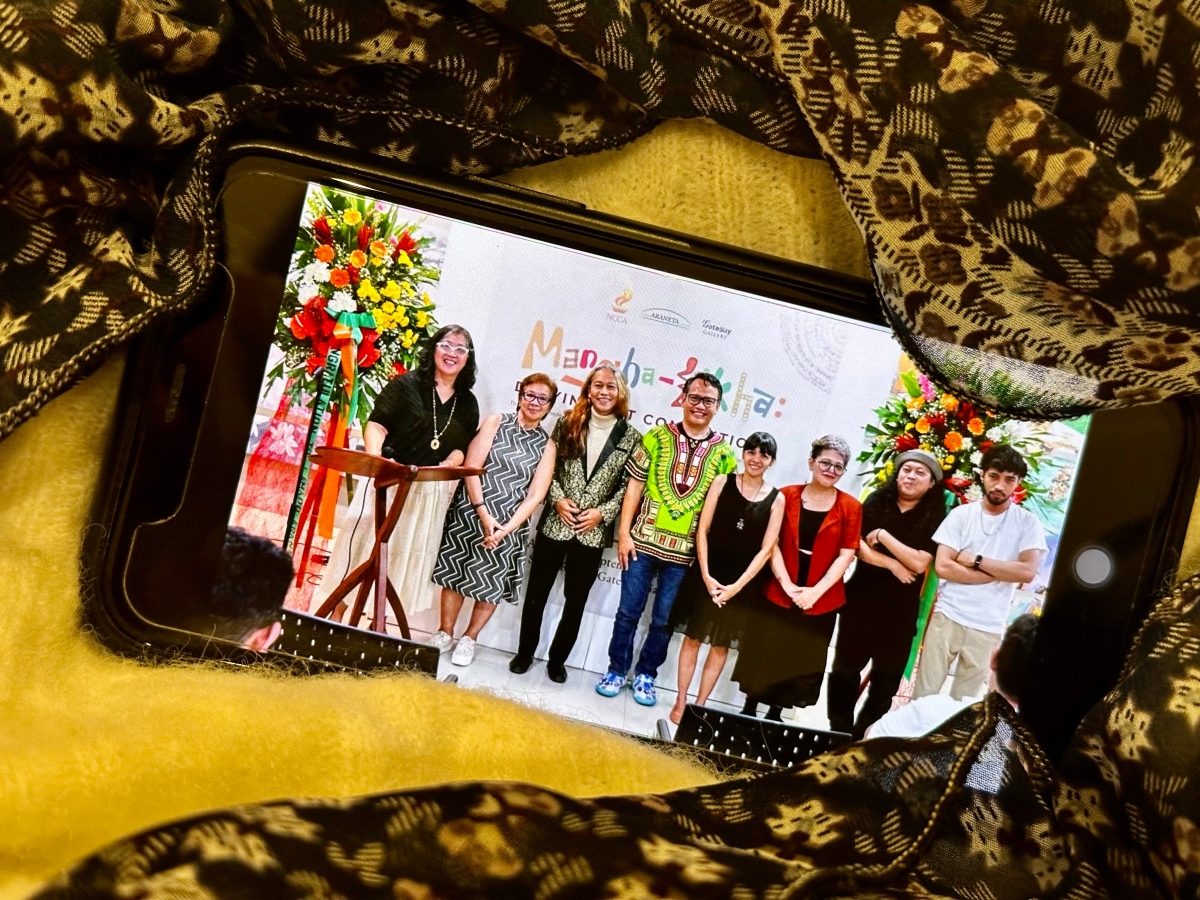
In the realm of art, innovation knows no boundaries. It’s a place where creativity flourishes, where the ordinary is transformed into the extraordinary, and where artists dare to break free from traditional norms. The Mangha-Likha exhibit, recently held at the Gateway Gallery, is a testament to this artistic audacity. It became a world where Filipino artists have defied art conventions by crafting mesmerizing artworks from unconventional materials.
The Birth of Mangha-Likha
Mangha-Likha was not born overnight; it sprouted from a visionary mind. Gari Apolonio, the Museum Curator of Gateway Gallery, envisioned a national art competition that would challenge artists to push the boundaries of their creativity. Yet, this competition morphed into something more significant. With the support of the National Commission for Culture and the Arts (NCCA), the exhibit “Mangha-Likha: Defying Art Conventions” became a reality. This group exhibition became a platform for a select group of Filipino artists who refuse to be bound by traditional gallery norms.
Unconventional Artists and Their Materials
The heart and soul of Mangha-Likha reside in its artists, each wielding their unique materials and techniques, as well as infused their art with unconventional charm:
- Tess Ureta Aligaen – A needlework artist, Tess uses various fabrics and intricate embroidery techniques. Her artworks are alive with vibrant patterns and colors, revealing her passionate craftsmanship.
- Gilbert Calderon Angeles – Gilbert’s canvas is a collection of ground shampoo sachets, as he creates eco-paintings using plastic laminates. His pieces not only captivate the eyes but also deliver an essential message on environmental awareness.
- Percival Denolo – Known as the mud artist, Percival has garnered national acclaim with his unique mud shadow artworks. With mud collected from a termite mound in his backyard, he transforms an unusual medium into captivating monochromatic paintings.
- Mai Pimentel De Dios – A cancer survivor, Mai found healing in art. She uses discarded palochina as her canvas, creating striking surrealist paintings that beautifully capture emotions and tell stories.
- Sasha Garcia – Sasha’s art is all about thread. She meticulously stitches her life onto repurposed fabric, delivering art that advocates wellness, peace, and care for the environment.
- Jordan Bulanit Mang-Osan – Jordan hails from the Cordillera region and uses solar art to celebrate his indigenous culture. He harnesses the sun’s power to create culture-based images, an extraordinary technique that’s deeply rooted in tradition.
- Marvel Obemio – With a focus on recycling, Marvel creates intricate pieces from upcycled pull tabs and discarded plastics. He believes in reducing waste while producing art that’s both engaging and eco-friendly.
- Noel Quidlat – Noel’s claim to fame is his three-dimensional portraits crafted from masking tape and backlight. He initially shared his time-lapse videos on social media, instantly attracting a massive fan base.
Mangha-Likha’s Message
At its core, Mangha-Likha is about redefining what art can be. It challenges the established norms and blurs the lines between the conventional and the unconventional. As a collective, the exhibit conveys a powerful message, one that resonates with themes of sustainability, inclusivity, equality, and ecological balance. It promotes values like courage, resilience, determination, resourcefulness, and originality.
The Exhibition and Its Impact
The exhibition opened with a gathering of esteemed guests, including Prof. Felipe de Leon, former Chairman of the NCCA, Tess Rayos del Sol, Head of the National Committee on Art Galleries under NCCA, and Christine Diane Romero, Executive Director of the J. Amado Araneta Foundation (JAAF). Their presence underscored the importance of Mangha-Likha and its role in the ever-evolving art scene.
The exhibit was a testament to the commitment of JAAF, which extended its support to make this endeavor a reality. Notably, the exhibit’s reach goes beyond its physical presence. It includes a published catalog and a captivating video tour available on the Gateway Gallery YouTube Channel.
The Mangha-Likha exhibit reminds us that art isn’t confined to a traditional box. Instead, it’s a dynamic force that challenges societal norms and pushes the boundaries of creativity. In today’s art world, where innovation knows no bounds, the work of these artists is a breath of fresh air. Their unconventional materials and techniques bring an exciting and contemporary perspective to the realm of art. It’s a testament to the power of art in challenging and transforming society, promoting a message of inclusivity, sustainability, and equality.
Details provided in a recent press release.


 Jellybeans in the City