
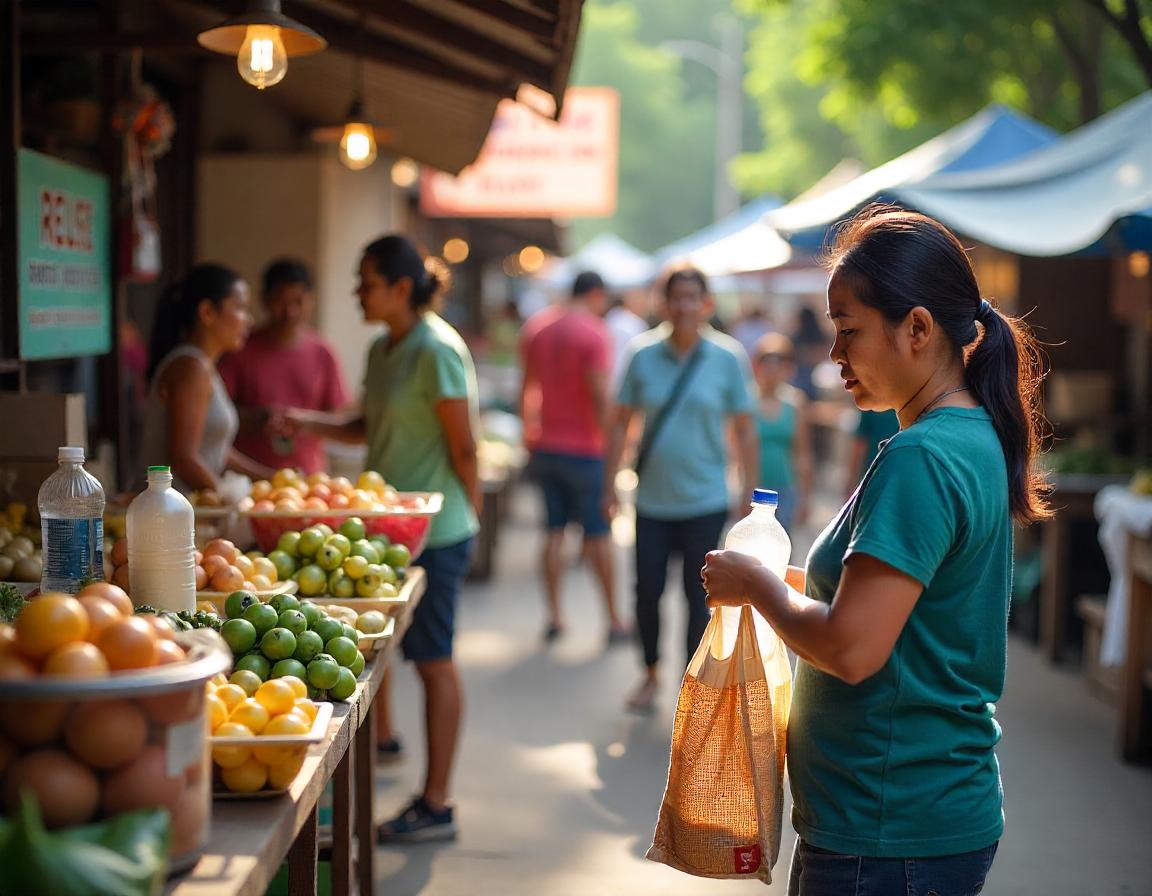
Imagine a bustling Filipino market, where the stalls are brimming with fresh produce and vendors call out prices in a lively chorus, but what’s noticeably missing in this scene is the crinkle of plastic packaging. Instead, shoppers carry reusable bayongs, reminiscent of a time when environmental responsibility was simply a way of life. This glimpse into a sustainable future isn’t just wishful thinking—it’s a vision that could become reality through the widespread adoption of reuse and refill systems.
The Plastic Crisis in the Philippines
The Philippines faces a mounting plastic crisis. Every day, the country consumes 163 million sachets, 48 million shopping bags, and 45 million thin film bags. This dependence on single-use plastics is fueled by convenience, but it comes at a staggering cost to the environment, public health, and society at large. Plastic waste clogs waterways, endangers marine life, and contributes to greenhouse gas emissions across its lifecycle, from production to disposal.
While waste management initiatives abound, they merely address the symptoms of the problem rather than its root cause. Developed nations with robust waste management systems still grapple with plastic pollution, often exporting their waste to low-income countries like the Philippines. The conclusion is clear: managing waste isn’t enough. The real solution lies in reducing plastic production and embracing sustainable alternatives.
Why Reuse and Refill Systems Matter
At the heart of the solution are reuse and refill systems—innovative models designed to eliminate single-use plastics. These upstream solutions tackle the plastic crisis at its source, significantly reducing environmental, social, and health impacts. By replacing disposable packaging with reusable alternatives, these systems can slash plastic pollution, curb greenhouse gas emissions, and create economic opportunities.
Research underscores their potential. A European study comparing reusable and single-use detergent packaging found that the reusable option had 12 times less environmental impact. Scaling reuse models in the food and beverage sector could reduce resource consumption by over 27 million tons by 2030, demonstrating both ecological and economic benefits.
Lessons from the Past and Existing Models
Ironically, the Philippines has long embraced reuse practices. Before single-use plastics dominated the landscape, the tingi-tingi culture revolved around reusable containers. Customers refilled jars with cooking oil or soy sauce at neighborhood stores and carried their goods in woven bayongs. Today, this traditional mindset is echoed in emerging reuse models globally and locally.
Water refilling stations, a staple in many Filipino communities, exemplify the practicality of reuse systems. Other models, such as returnable glass bottles and refill-on-the-go stations in zero-waste stores, show how businesses and consumers can work together to reduce waste.
Policy Recommendations for a Reuse Revolution
To mainstream these practices, Greenpeace has proposed a comprehensive policy framework. Key recommendations include setting ambitious targets for businesses to transition to reuse systems—50% of plastic packaging by 2030—and offering incentives to enterprises that lead the charge. Producers and retailers must collaborate to design standardized refill systems that are cost-effective and scalable.
The fast-moving consumer goods sector, a major driver of single-use plastic consumption, is pivotal. Policies should mandate refill stations for essentials like cooking oil, shampoo, and laundry detergent. Such initiatives could transform the market, making reusable packaging the norm rather than the exception.
Challenges, of course, remain. The upfront costs for businesses to adopt reuse systems and the effort required to shift consumer habits are significant hurdles. However, with the right policies and incentives, these obstacles can be overcome.
Incentives and Consumer Engagement
A successful transition to reuse and refill systems requires buy-in from both businesses and consumers. Financial incentives, such as tax breaks for enterprises and discounts for customers using reusable containers, can drive adoption. Non-financial incentives, like loyalty programs offering rewards for refill transactions, can further encourage participation.
Public awareness campaigns are equally crucial. Educating communities about the environmental and health benefits of reuse systems can shift attitudes and foster a culture of sustainability. Schools, local governments, and businesses must collaborate to ensure these messages reach all corners of society.
As the market scene fades into the bustling chaos of daily life, it serves as a poignant reminder of what’s at stake. The Philippines has the opportunity to lead a reuse revolution, addressing the plastic crisis while fostering a cleaner, fairer, and more sustainable future.
This vision isn’t just the responsibility of governments and corporations—it’s a collective endeavor. Shoppers can bring their own containers. Vendors can advocate for refill systems. Policymakers can champion bold reforms. Together, we can turn the tide on plastic pollution and ensure that future generations inherit not just a cleaner Philippines, but a planet where reuse and sustainability are second nature.
Read more of Greenpeace’s policy recommendations here.
 Jellybeans in the City