

We’ve all experienced the effects of a disorganized living space at some point – whether it’s the frustration of not finding your keys, the stress of a cluttered kitchen, or the constant battle with overflowing closets. But this shouldn’t be a given!
With a few simple rules of thumb and a little effort, you can transform your home into a well-organized haven that’s both aesthetically pleasing and functional.


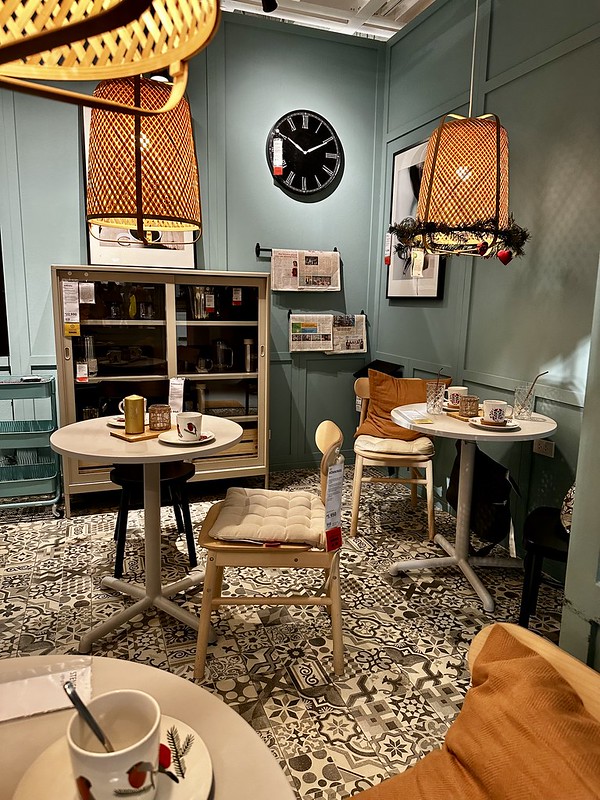
The Chaos of Clutter: A Disorganized Home’s Many Faces
Imagine walking into your home after a long day, and instead of feeling welcomed by a serene and tidy environment, you’re greeted by chaos and clutter. The negative impacts of a disorganized home are far-reaching and affect multiple aspects of your life.
A cluttered and disorganized home often lacks visual appeal. It can make your living spaces appear messy, chaotic, and far from the inviting sanctuary you desire. Additionally, maintaining such a home can be an uphill battle, leading to frequent cleaning frustrations. Valuable space often goes unused or underutilized, leading to wasted potential.
Beyond aesthetics, disorganization can hinder the functionality of your home. The difficulty of finding items when needed is a common complaint. When your belongings aren’t properly stored, daily tasks become more challenging. Safety hazards may also emerge as cluttered spaces increase the risk of tripping or falling over objects. Moreover, impaired productivity can result from trying to work or study in a cluttered environment.
The consequences of a disorganized home aren’t limited to the physical realm. It can take a toll on your mental and social well-being. The constant presence of clutter can lead to stress and anxiety, making it harder to relax and unwind. Tensions can arise among family members or roommates, straining relationships. Personal space may become limited, affecting your overall comfort. Even hospitality can be impacted, as an untidy home may deter you from inviting guests over.
The good news? You don’t have to live with these negative effects. By following a few straightforward rules of thumb, you can regain control of your living space and enjoy the benefits of a well-organized home.
Mastering the Art of Home Organization: Simple Rules of Thumb
Organizing your home doesn’t have to be an overwhelming task. By embracing some common-sense principles, you can efficiently optimize your storage space and create an environment that’s not only organized but also aesthetically pleasing.


Declutter Regularly:
Regularly decluttering your home is the cornerstone of effective organization. Make it a habit to review your belongings and part ways with items you no longer use or need. Embrace the “one in, one out” rule – for every new item you bring in, consider donating or discarding an old one. This keeps clutter at bay and ensures that your space remains functional and inviting.
Prioritize Functionality:
Start by thinking about the function of each room or space in your home. Consider what items need to be stored there and how frequently you access them. Then, design your storage solutions accordingly. Here are some practical tips:
- Create zones within each room based on their functions. For example, establish a kitchen zone for cooking utensils, a cleaning zone for supplies, and a study zone for office materials.
- Rotate seasonal items in and out of storage to keep your space uncluttered and functional.
- Keep frequently used items at eye level or within easy reach to minimize the time spent searching.
- Maximize vertical space by installing tall shelves, cabinets, or wall-mounted organizers. This utilizes space efficiently without consuming valuable floor space.
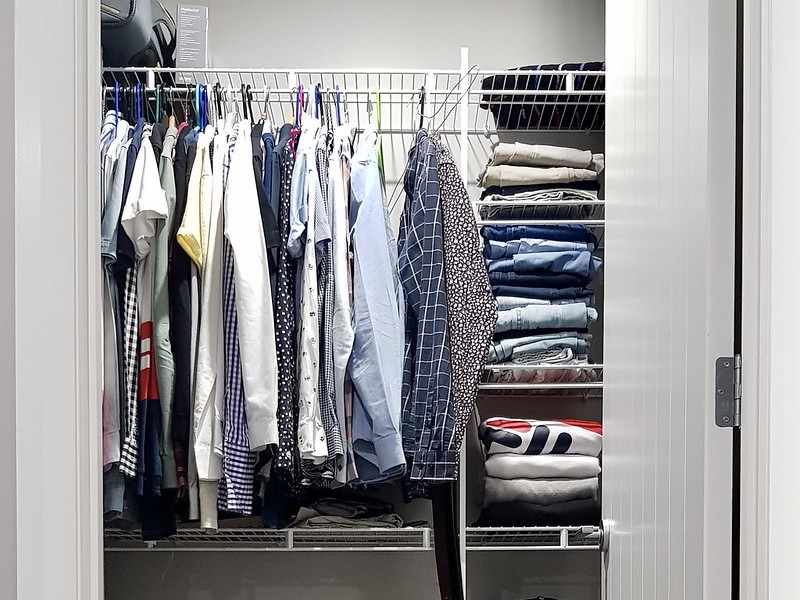
- Make the most of closet space with space-saving hangers, shoe organizers, and closet systems.
- Don’t forget about under-bed storage, a often-overlooked treasure trove for seasonal clothing, shoes, or storage bins.



Gear Up for Organizing:
Now that you’ve cleared the clutter and have a plan in place, it’s time to equip yourself with the right tools and strategies to maintain an organized home:
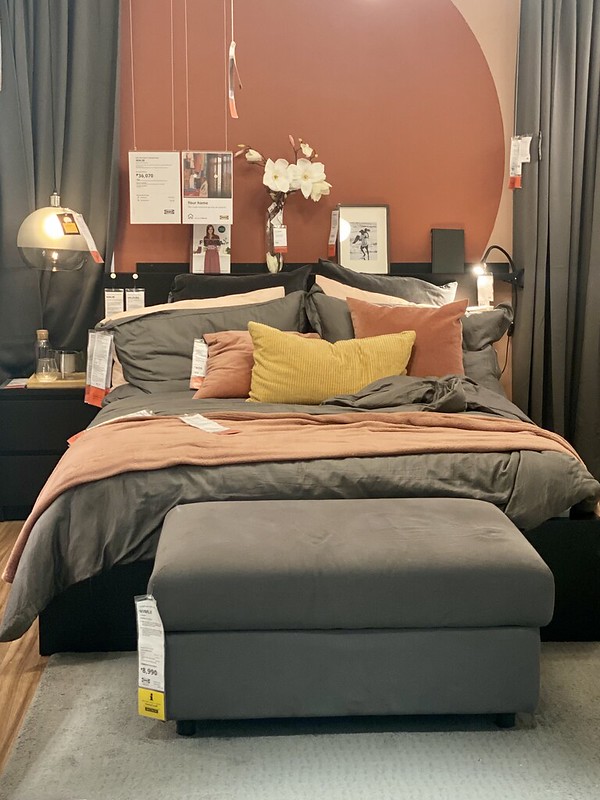
- Opt for multifunctional furniture that serves multiple purposes. Consider ottomans with hidden storage, beds with drawers, or sofas that convert into beds.
- When space allows, consider built-in storage solutions. Built-in bookshelves, custom closets, and cabinets can be tailored to your specific needs and maximize available space.
- Use clear containers or labeled bins to easily identify the contents of storage containers. This prevents the need to open multiple containers to find what you’re looking for.
- Implement drawer dividers to keep small items, like socks, utensils, or office supplies, neatly separated and easily accessible.
- Install hooks and pegs on walls or the backs of doors to hang items like keys, bags, or accessories, keeping them off countertops and tables.
- Label everything! Whether it’s storage bins, shelves, or drawers, labeling ensures that items find their designated spots, making it easier for everyone in the household to maintain order.
With these rules of thumb in mind, you’re well on your way to creating an organized home that’s not only functional but also aesthetically pleasing. But let’s not stop here; there’s more to gain from a well-organized home.
The Benefits of a Well-Organized Home
Picture this: you open your front door, and a sense of calm and serenity washes over you. Your living space is neat, organized, and visually appealing. Everything has a designated place, and you can easily find what you need. But the benefits of a well-organized home extend beyond aesthetics; they encompass functionality, mental well-being, and even your social life.


The most immediate and visible benefit of an organized home is its aesthetic appeal. Clutter-free living spaces are visually pleasing, creating an inviting and tranquil atmosphere. The clean lines, tidy surfaces, and well-arranged decor contribute to an overall sense of order and harmony. Your home becomes a reflection of your personal style, and you can proudly showcase your cherished belongings.
Organization also enhances the functionality of your home. You can effortlessly locate and access items, streamlining daily routines and tasks. With a designated place for everything, you’ll spend less time searching and more time enjoying your space. Functionality extends to room usage; organized spaces allow you to maximize the potential of each room, ensuring that it serves its intended purpose efficiently.
Lastly, the benefits of an organized home reach beyond the physical realm and positively impact your mental and social well-being. Here’s how:
- Stress Reduction: A cluttered and disorganized home can contribute to stress and anxiety. In contrast, an organized space fosters a sense of calm and control, allowing you to unwind and relax.
- Improved Relationships: An organized home can lead to more harmonious relationships with family members or roommates. Reduced clutter and orderliness promote a sense of well-being, reducing tension and disputes.
- Personal Space: Your personal space is a vital aspect of well-being. An organized home ensures that you have designated areas where you can retreat, relax, and recharge. This is essential for maintaining mental and emotional health.
- Hospitality: An organized home encourages hospitality. You’ll feel more comfortable inviting friends and family over, enhancing your social life and fostering connections.
- Motivation and Confidence: Achieving and maintaining an organized home can boost motivation and confidence. It’s a tangible accomplishment that can positively impact your overall outlook on life.


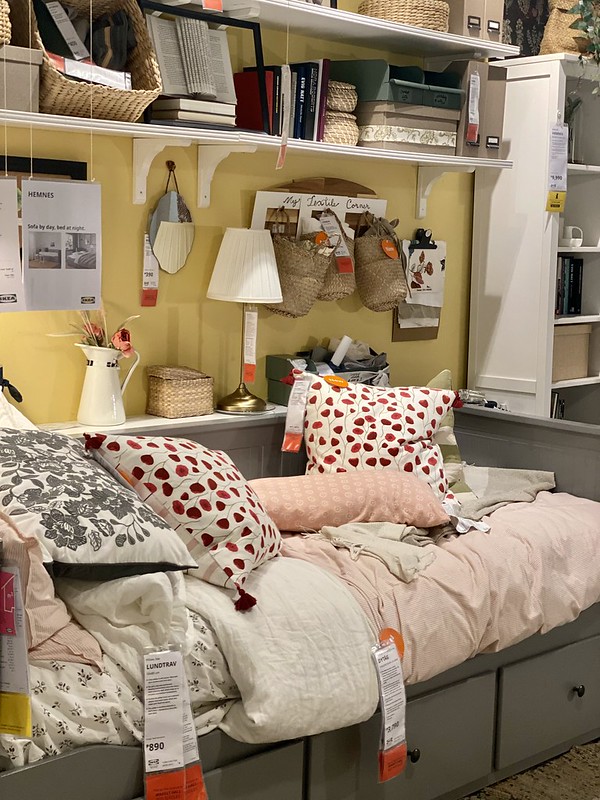
Embracing a few straightforward rules of thumb and committing to regular maintenance can help you unlock the potential of your home and enjoy the many advantages of an organized living environment.
And whether you want to get started on getting organized or maintain your well-kept home, IKEA’s the place the get ideas and the things you need.
About IKEA
In 1951, the IKEA began operating as a mail-order catalogue business based in Almhult, a small, forested village in the Swedish countryside. Its founder, Ingvar Kamprad decided to sell good-quality furniture at low prices.
Since 2008, IKEA has been recognized as the largest furniture retailer in the world, with presence in Europe, Middle East, North Africa, East Asia, India, Southeast Asia, Oceania and North America.
In 2021, opened its largest store in the world right in our home turf, a 65,000 square meter outlet located in the Mall of Asia Complex in Pasay City which houses over 8,000 items.
You can visit IKEA Pasay at the MOA Square, Marina Way, Mall of Asia Complex, Barangay 76 Zone 10, CBP-IA, 1300 Pasay City, open daily from 10am to 10pm.
You may also order online through its website.
To stay updated on its promos and offers, follow it on Facebook and Instagram.
Header Image by Freepik | Other photos taken during previous store visits at IKEA Pasay.
Check out my previous posts about IKEA:








 Jellybeans in the City