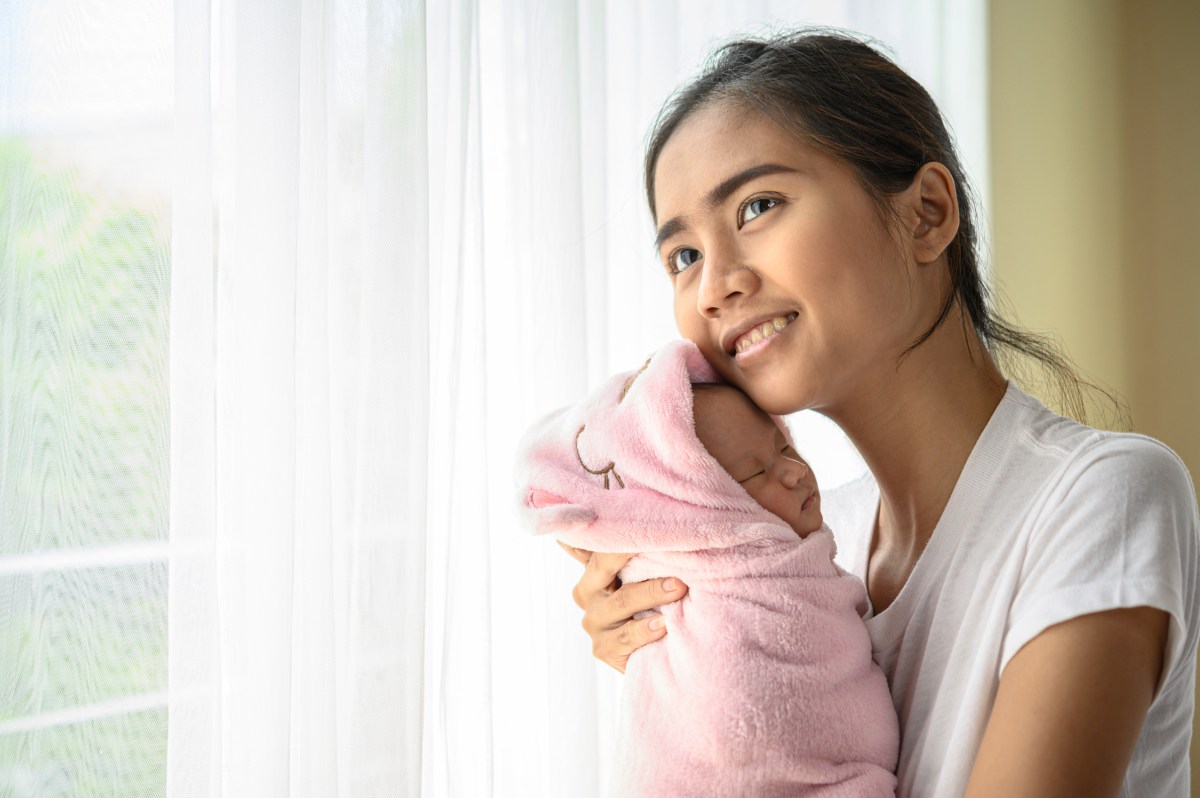
Imagine this: tiny plastic particles—so small that you can’t see them—are making their way into our bodies. But here’s the alarming part: they’re showing up in the bodies of our most vulnerable, our babies.
A new report by EARTHDAY.ORG, the global organization behind Earth Day, sheds light on a troubling issue that should be on every parent’s radar: microplastics and their potential impact on children’s health.
What Are Microplastics?
Microplastics are tiny pieces of plastic, often no larger than a grain of sand. They’re everywhere—in our water, air, and even in the food we eat. And now, research is showing that these minuscule particles are finding their way into our children’s bodies. It’s a problem that begins even before birth.
What the Research Says
The report, titled Babies vs. Plastics, pulls together findings from over 100 studies. And the results are nothing short of shocking. Microplastics, and the chemicals added to them, may be affecting babies in ways we’re just beginning to understand. Some studies suggest that microplastics can interfere with the delicate communication between a mother and her unborn baby, potentially leading to DNA damage. Others hint at links between microplastics and developmental disorders like ADHD, as well as conditions like autism and early puberty.
One pilot study even found that babies might be ingesting more microplastics than adults—up to ten times more. That’s right: the very toys, clothes, and cribs that we carefully choose for our little ones could be contributing to this hidden exposure.
How Are Babies Exposed?
Babies are naturally curious. They explore the world with their mouths—chewing on toys, blankets, and anything else they can get their tiny hands on. But this innocent behavior may be putting them at risk. Many of these objects are made of or coated with plastic, which can shed tiny particles. And it’s not just toys. From the air they breathe to the dust they crawl through, microplastics are practically unavoidable.
Even breast milk, which is supposed to be the purest form of nutrition, isn’t immune. Research has found traces of microplastics in breast milk, raising concerns about how early this exposure might start.
A Call to Action
Given the potential dangers, EARTHDAY.ORG is sounding the alarm. They’re urging the United Nations to address the health impacts of microplastics in the upcoming Global Plastic Treaty. The organization is pushing for a significant reduction—up to 60%—in plastic production by 2040. Because when it comes to our children’s health, waiting isn’t an option.
What Can We Do?
While it’s hard to completely avoid plastics in today’s world, there are steps parents can take to reduce exposure. Choosing glass or stainless steel bottles and containers, opting for toys made from natural materials, and being mindful of the products we bring into our homes are all ways to minimize the risks. It’s not about perfection but making small changes that can add up to a big difference.
The message from EARTHDAY.ORG is clear: It’s time to pay attention. Our babies are counting on us.
For those interested in diving deeper into this issue, the full report is available on EARTHDAY.ORG’s website.
Details provided in a November 2023 EARTHDAY.ORG press release.
Header image by jcomp on Freepik
Discover more from Jellybeans in the City
Subscribe to get the latest posts sent to your email.

 Jellybeans in the City
napakahalagang Information ito at salamat Sa Pagbabahagi
LikeLiked by 1 person
Iwas na tayo sa mga bagay na maka cause ng ganitong problem sa health ng mga babies natin.
LikeLiked by 1 person
Thank you for sharing po very informative must read ito lalo na sa mga mommies jan and soo to be a mom like me. Sympre concern natin health ng kids natin.
LikeLiked by 1 person