WWF-Philippines holds webinar on Food Safety in The New Normal

As part of its celebration of June as the National Safety Month, WWF-Philippines, the local arm of the World Wide Fund, held the Panda Talk Food Safety: Everyone’s Business, a timely topic as the country transitions to The New Normal.

Panda Talks are WWF-Philippines’ free livestreaming educational events which aim to equip the public with information on conservation in line with the organization’s initiatives.

With many Filipinos going into buying foodstuffs online and home-based food selling, there is a need to establish food safety and food waste management practices.

Host Janine Gutierrez, WWF-Philippines’ National Youth Ambassador, and speaker Melody Melo-Rijk, WWF-Philippines’ Project Manager for the Sustainable Diner Project, discussed ways in which consumers and home-based food businesses can practice food safety in a COVID-19 world.

Food Safety in the New Normal (image sourced from freepik.com; article in beingjellybeans.com)

“Food safety is actually a shared responsibility between the food businesses and the dining public,” shares Melo-Rijk. “We all have a stake in making sure that our food is safe, nutritious and healthy to eat.”

Since COVID-19 is transmitted from human-to-human, physical distancing has become the norm. Although there is no evidence that food of animal origin can transmit the disease, preventing food contamination will reduce foodborne illness and the likelihood that novel diseases such as COVID-19 will emerge.

With these in mind, Melo-Rijk shared best practices to ensure food safety for both consumers and food businesses.

Food Safety at Home. The home has emerged as the safest place to be as it is an environment that can be easily controlled by the consumer. Steps to further safeguard household members from disease include:

  • Practice personal hygiene at all times. Washing hands from nails to elbows for twenty seconds will help to remove physical dirt and reduce microbes. Daily and thorough bathing of each household member will also prevent contamination and disease transfer. It is also important to be mindful of your water usage so turn off your faucet while still soaping your hands.
  • Clean and sanitize. Cleaning is the removal of visible physical dirt from surfaces while sanitizing involves the use of anti-bacterial agents to eliminate invisible micro-organisms. It is important to sanitize (between 60% to 85% FDA-approved sanitizing solutions are best) after cleaning to help reduce all possible contaminants.
  • Separate raw and cooked food. Raw food contains more micro-organisms than cooked food so these should be kept apart to avoid cross-contamination. This also involves the utensils use to handle food during preparation: ideally, a separate set of knives and chopping boards should be assigned for raw and cooked food; if this is too costly, food preparers can just make sure to clean and sanitize each tool prior to shifting from raw food to cooked food and vice versa.
  • Cook and store food properly. The key to cooking and storing food is temperature. Microorganisms grow best between the 5 deg and 60 deg Celsius (or 40 deg to 130 deg Fahrenheit). Food should be stored below 5 deg Celsius to slow the growth of microorganism and cooked above 60 deg Celsius to eliminate them.
  • Consume fresh food and clean water from safe sources. Avoid overstocking food to assure their freshness upon consumption. Be sure to check expiry dates of packaged food and the state of fresh produce regularly.

Food Safety in Businesses. The Department of Tourism (DOT) has already released guidelines for restaurants and food businesses to follow to ensure the safety of the dining public in accordance with the measures set by the US Food and Drug Administration (US-FDA). These include:

  • Employees must be clean and healthy. Food business employees must be free from COVID-19 and other diseases. Therefore, they must always practice stringent personal hygiene, wear appropriate personal protection equipment (PPEs) such as gloves, hairnets, face masks and shields, work clothes and protective covers for shoes. They should undergo regular temperature checks and immediately report any symptoms to their employers. Diners must also be required to wear face masks, undergo temperature checks, step onto sanitizing mats and provide contact details for contract tracing.
  • Clean and sanitize. All surfaces in the dining and food preparation area (including utensils and equipment) must always be cleaned and sanitized. Ingredients should, of course, be meticulously cleaned.
  • Maintain physical distancing at all times. The standard of 2 meters (6 feet) must be practiced by employees and diners alike, supported by floor markers or signs. Self-service setups (wherein diners will proceed to different areas) and displays of food items (which will encourage diners to gather in certain areas) must be avoided.
  • Ensure protocols for delivery and pickup. Measures to ensure minimal physical contact should be implemented. For example, the use of cash or credit cards that involves physical objects changing hands should be avoided, and instead be replaced by cashless payment options like G-Cash and Paymaya which allow consumers to pay for their orders remotely using their mobile phones. Food delivery apps like GrabFood and FoodPanda have also released guidelines for contactless delivery which include designating a surface outside the home for the rider to drop off the order and pick up payment.

With these measures in place, the spread of diseases can hopefully be controlled and curtailed.
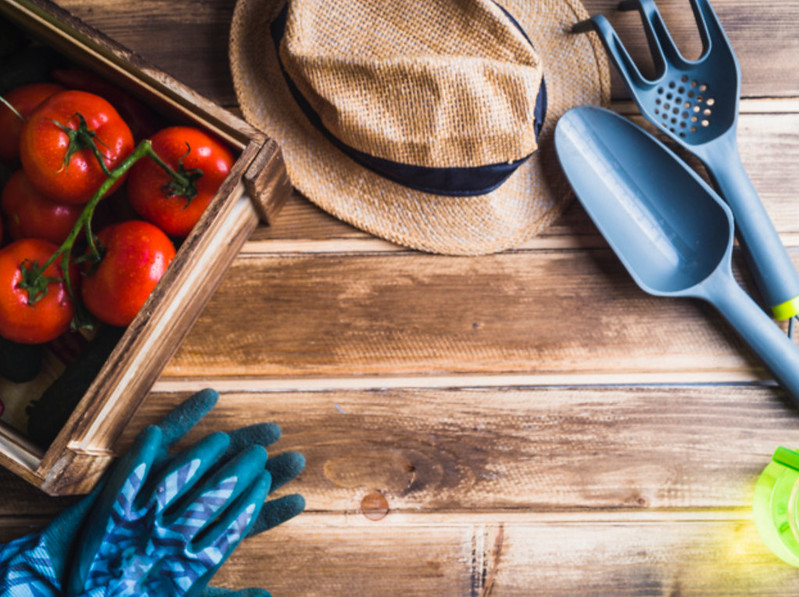
Food Safety in the New Normal (image sourced from freepik.com; article in beingjellybeans.com)

Minimizing Food Waste

Even in The New Normal, sustainability should still be a priority concern with food waste comprising 80% of the country’s solid waste. The Sustainable Diner Project is WWF-Philippines’ initiative that aims to lessen food wastage and contribute to the improvement of the implementation of sustainable consumption and production processes in the food service sector. From studies and talks done by the organization with stakeholders in the food industry, the project has provided steps that consumers and food business can follow to minimize food waste. These include:

  • Plan ahead. Check your refrigerator, pantry and other food storage areas and plan your menu before going out to buy food.
  • Check labels and expiry dates.
  • Ensure proper storage and preparation of food. Ensure that food storage equipment such as refrigerators and chillers are functioning properly. The designated food storage area should be a cool and dry place, free from rodents and pests. Make sure that the food you store is properly sealed to avoid attracting rodents.
  • Only buy products you can reasonably consume. Avoid overbuying food, especially perishables. WWF-Philippines also encourages consumers to buy “ugly” fruits and vegetables which are impertfect-looking produce due to discolorations or shape but are perfectly fine when peeled.
  • Be creative with your next meal. Being stuck at home has unleashed the hidden talent in cooking that many of us have. Try to maximize the existing ingredients in your pantry and even leftovers when preparing your next meal.

The Panda Talk Food Safety: Everyone’s Business may be viewed on Facebook.

About WWF-Philippines

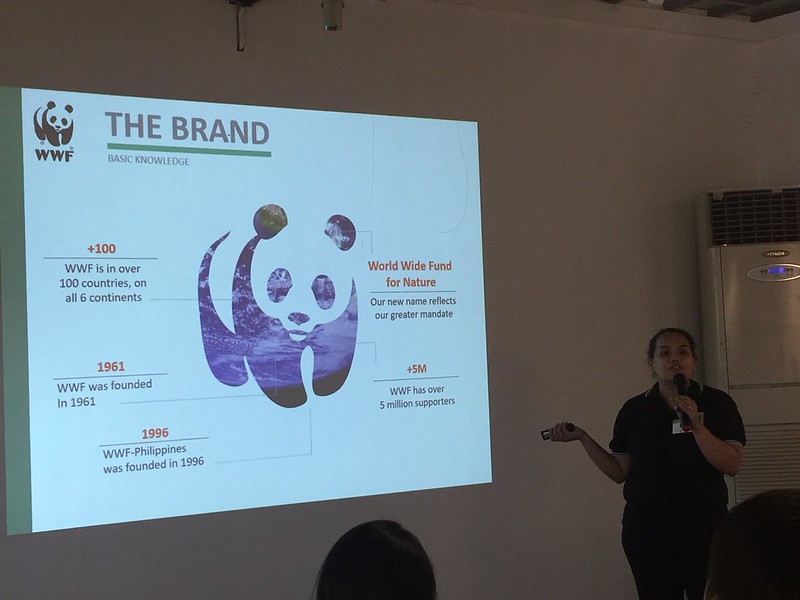
WWF is one of the world’s largest and most respected independent conservation organizations, with over 5 million supporters and a global network active in over 100 countries. WWF’s mission is to stop the degradation of the Earth’s natural environment and to build a future in which humans live in harmony with nature, by conserving the world’s biological diversity, ensuring that the use of renewable natural resources is sustainable, and promoting the reduction of pollution and wasteful consumption.

WWF-Philippines has been successfully implementing various conservation projects to help protect some of the most biologically-significant ecosystems in Asia since its establishment as the 26th national organization of the WWF network in 1997.

Check out my other posts on conservation:

Header photo created by prostooleh – www.freepik.com

Food photo created by freepik – www.freepik.com

No place for food waste! WWF-Philippines kicks off Savour Planet 2019 with a new theme

Together with Earth Kitchen Katipunan, Rise Against Hunger Philippines, Solu, and Greenspace, World Wide Fund for Nature (WWF) Philippines launched the new theme for the media trip series’ second year in Quezon City last March 16, 2019.

2.4 million Filipino families experienced involuntary hunger at least once in the past three months. Only 1 out of 3 Filipino households are considered food secure. In 2016, 6.8% of Filipino households experienced not having any food at home.

These sobering statistics give us a glimpse of the reality that families are facing when it comes to the major hunger issue we are experiencing in the Philippines. And yet, it has been estimated that each Filipino still wastes an average of 3.29 kg of rice per year, which, when totaled, would be enough to feed 4.3 million Filipinos.

There is clearly a gap between the amount of food we are able to produce as a country and the amount of food made available for our citizens to consume. That gap is actually the amount of food that we knowingly or unknowingly waste.

“Food waste is the biggest threat to nature today. When 70% of terrestrial biodiversity loss and when 69% of global freshwater use is attributed to food consumption and production, knowing about food waste is not enough. We must do something. We must create sustainable food systems for the survival of both Filipinos today and tomorrow”.

Zero Food Waste, WWF-Philippines

With that call to action, Melody Melo-Rijk, WWF’s Project Manager for Sustainable Consumption and Production in the Philippines, welcomed participants from Quezon City to the launch of the Savour Planet workshop’s new theme – No Place for Waste.

Recognizing the importance of educating Filipino diners on various ways of how they can help lessen food waste, WWF-Philippines, through its pioneer project on sustainable consumption and production, The Sustainable Diner: A Key Ingredient for Sustainable Tourism, has launched the 2019 run of its flagship media trip series at Earth Kitchen Katipunan – a restaurant dedicated to supporting local farmers and indigenous communities through the promotion of the farm-to-table concept. As the project’s flagship series, Savour Planet aims to empower and educate Filipino diners, partners from the media, the academe, as well as fellow non-government organizations and food security projects on the importance of sustainable food systems and sustainable dining. While last year’s theme, Cooking with a Purpose, focused on establishing an intimate connection between diners and the food that they eat through cooking, the new theme aspires to take that connection further by empowering diners to explore different avenues by which they can help keep the food on their plates from being wasted.

“All over the world, 1/3 of the food produced never reaches our plates every single year. Food waste is never okay. We have to instill this in the minds of our consumers because it is morally and socially unacceptable for us to waste food”,’ says Melo-Rijk, who opened the workshop by giving a brief introduction of The Sustainable Diner project and the context as to why the project was conceptualized in the first place. “When we talk about restaurants, food waste would also mean wasting money. There are hidden costs to food waste, some of which include labor cost, energy cost, disposal cost, and other added costs related to biodegradable waste management.”

To illustrate the gravity of the manner by which we waste food, Melo-Rijk brought to attention a source of food waste which most people usually contribute to without fully knowing its implications: ugly produce. The term “ugly produce” refers to produce that are misshapen, undersized, discolored, bruised, or in possession of unusual spots. These kinds of produce are usually ignored by the market, who would opt to go for “perfect-looking” items believing that they would taste better and would contain more nutrients than their bruised and battered counterparts. Melo-Rijk was quick to dispel this common perception. “When it comes to fresh produce, the ugly is just as good as the pretty in terms of taste and nutrition. Food safety is not based on outside appearances – for as long as the inside is not compromised, these food items should be safe to eat”,’ says Melo-Rijk. “Certain studies even promote that ugly produce can sometimes be more nutritious because most of them are organically farmed, with no alterations in terms of the nutrients that they contain. When we buy ugly produce, we help prevent food waste.”

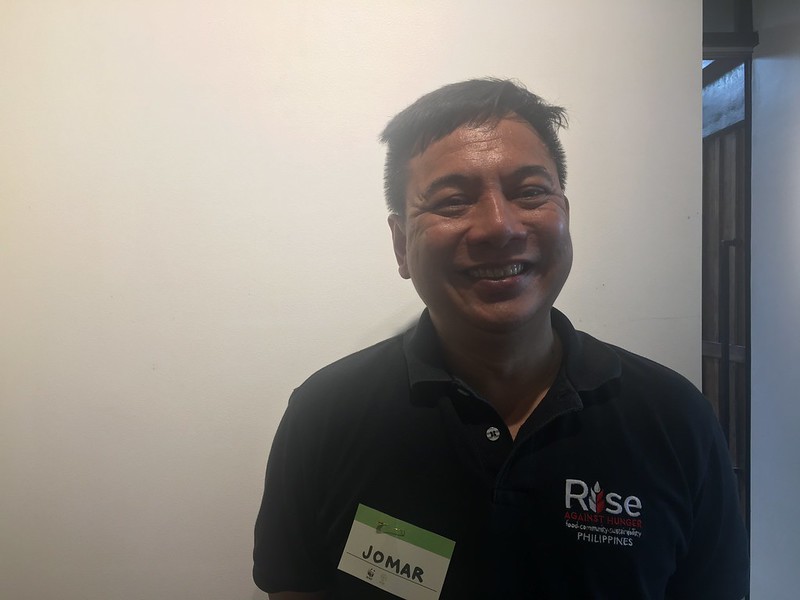
Jomar Fleras, the Executive Director of Rise Against Hunger Philippines, then talked about the hunger situation in the Philippines, with an emphasis on the role of food banks in both the alleviation of hunger and the rescuing of food that would otherwise be thrown away. He opened to the participants the option of food donation as a viable means of decreasing instances of food waste in their daily lives and contributing to the greater goal of sustainable development. “To those who are familiar with the Sustainable Development Goals, we know that at the very core of these goals is the capability to ensure food security at the household level. When it comes to SGD 2, which is Zero Hunger, there is absolutely no compromise. There are no reduction targets, plain as day, we need to end global hunger”,’ says Fleras. “With existing policy frameworks in the Philippines that encourage the donation of food for charitable purposes, food banking becomes a vital platform to the attainment of SGD 2 and the prevention of further food waste. With Rise Against Hunger Philippines and the Good Food Grocer, our mission is to provide nutritious and safe food to nutritionally at-risk individuals and families.”

Zero Food Waste, WWF-Philippines

Aside from donating food to avoid food waste, there is also much talk about the ways in which we manage our waste. Waste management is becoming a big problem, especially in developing countries like the Philippines where consumption in various forms, including food, has risen tremendously. Proper waste segregation can prove to be instrumental in salvaging food from our landfills, especially when 52.31% of our solid waste consists of biodegradables, which includes food waste and garden waste. This is where Solu comes in, and their Lead Strategist, Pang Delgra, made a great case on why our waste management systems need to innovate to keep up with the times. “The current waste management system is broken. People want to segregate, but they know the effort is futile when everything is just being brought to the same landfill anyway”,’ says Delgra.
“As a platform that connects all market participants and incentivizes citizens to sell their segregated waste materials, Solu enables Filipinos to make money from their waste and to help the environment through sustainable waste disposal”.

Zero Food Waste, WWF-Philippines

The micro-talks ended with a presentation on bokashi composting, led by Rina Papio, Founder of Greenspace by introducing the participants to the concept of bioremediation, or the use of biological organisms to break down environmental pollutants and solve environmental problems, Rina was able to paint a clear picture on how microorganisms can turn food waste into nutrient-rich compost that will help keep our soils healthy. “Bokashi composting is a great way for individuals to divert food waste away from our landfills. With the help of beneficial microorganisms, we can turn food waste into healthy soil and keep it from polluting the Earth”,’ says Papio. “With bokashi composting, anyone can create their own green space in just four easy steps. Just collect your food waste and layer it with bokashi bran, tightly seal your bokashi bucket to allow for anaerobic fermentation, mix your fermented food waste with soil, and then after four weeks, you will already be able to use the compost you made in your garden.” During the actual demonstration, the participants gamely participated in the afternoon bokashi workshop, where they learned first-hand how they can help regenerate the soil and even grow their own food using repurposed food waste in the form of bokashi compost. Afterwards, The Sustainable Diner team surprised the participants with a giveaway of 5 bokashi composting kits. The lucky winners will use these kits to start off and write about their composting journey.

Zero Food Waste, WWF-Philippines

By emphasizing to Filipino diners the need to reduce food waste and by introducing them to different food waste reduction and diversion techniques and platforms, WWF-Philippines hopes to foster a greater consciousness when it comes to addressing the effects of business-as-usual food consumption and production patterns. Sustainable dining is not just about the food that we are about to consume in the moment, but also about the food that we will leave behind. With innovation, ingenuity, and inspiration, it is possible to prove that here in the Philippines, there really is just no excuse nor place for food waste.

Zero Food Waste, WWF-Philippines

About WWF:

WWF is one of the world’s largest and most respected independent conservation organizations, with over 5 million supporters and a global network active in over 100 countries. WWF’s mission is to stop the degradation of the Earth’s natural environment and to build a future in which humans live in harmony with nature, by conserving the world’s biological diversity, ensuring that the use of renewable natural resources is sustainable, and promoting the reduction of pollution and wasteful consumption.

WWF-Philippines has been successfully implementing various conservation projects to help protect some of the most biologically-significant ecosystems in Asia since its establishment as the 26th national organization of the WWF network in 1997.

About SCP and The Sustainable Diner:

The Sustainable Diner project of WWF-Philippines aims to contribute to improving the
implementation of sustainable consumption and production (SCP) and lessening food wastage in the country. WWF-Philippines wants to engage the government, food service businesses, and consumers so they will support sustainable dining practices and help make the Philippines’ food service industry more environmentally friendly.

The Sustainable Diner project, under Sustainable Consumption and Production, is part of the International Climate Initiative (IKI). The Federal Ministry for the Environment, Nature Conservation, and Nuclear Safety (BMU) supports this initiative on the basis of a decision adopted by the German Bundestag.

For more details about WWF-Philippines and its initiatives, visit wwf.org.ph.

Details provided by WWF-Philippines in a recent press release.

Check out my posts related to conservation and the environment: