WWF-Philippines holds webinar on Food Safety in The New Normal

As part of its celebration of June as the National Safety Month, WWF-Philippines, the local arm of the World Wide Fund, held the Panda Talk Food Safety: Everyone’s Business, a timely topic as the country transitions to The New Normal.

Panda Talks are WWF-Philippines’ free livestreaming educational events which aim to equip the public with information on conservation in line with the organization’s initiatives.

With many Filipinos going into buying foodstuffs online and home-based food selling, there is a need to establish food safety and food waste management practices.

Host Janine Gutierrez, WWF-Philippines’ National Youth Ambassador, and speaker Melody Melo-Rijk, WWF-Philippines’ Project Manager for the Sustainable Diner Project, discussed ways in which consumers and home-based food businesses can practice food safety in a COVID-19 world.

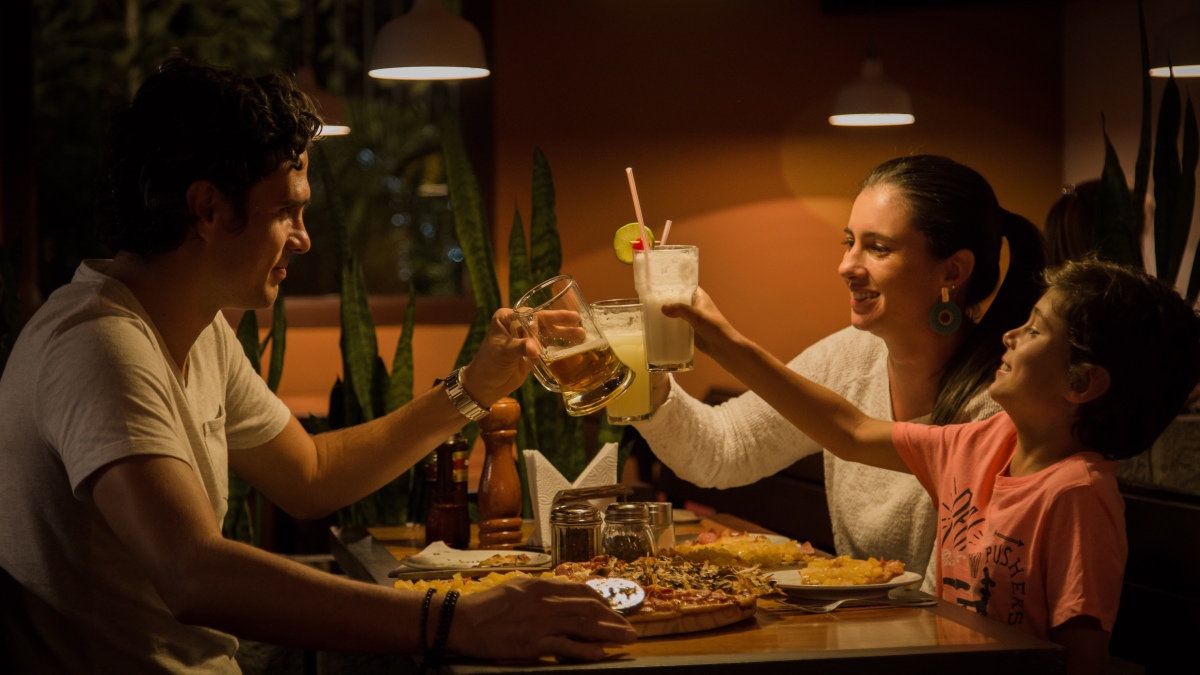
Food Safety in the New Normal (image sourced from freepik.com; article in beingjellybeans.com)

“Food safety is actually a shared responsibility between the food businesses and the dining public,” shares Melo-Rijk. “We all have a stake in making sure that our food is safe, nutritious and healthy to eat.”

Since COVID-19 is transmitted from human-to-human, physical distancing has become the norm. Although there is no evidence that food of animal origin can transmit the disease, preventing food contamination will reduce foodborne illness and the likelihood that novel diseases such as COVID-19 will emerge.

With these in mind, Melo-Rijk shared best practices to ensure food safety for both consumers and food businesses.

Food Safety at Home. The home has emerged as the safest place to be as it is an environment that can be easily controlled by the consumer. Steps to further safeguard household members from disease include:

  • Practice personal hygiene at all times. Washing hands from nails to elbows for twenty seconds will help to remove physical dirt and reduce microbes. Daily and thorough bathing of each household member will also prevent contamination and disease transfer. It is also important to be mindful of your water usage so turn off your faucet while still soaping your hands.
  • Clean and sanitize. Cleaning is the removal of visible physical dirt from surfaces while sanitizing involves the use of anti-bacterial agents to eliminate invisible micro-organisms. It is important to sanitize (between 60% to 85% FDA-approved sanitizing solutions are best) after cleaning to help reduce all possible contaminants.
  • Separate raw and cooked food. Raw food contains more micro-organisms than cooked food so these should be kept apart to avoid cross-contamination. This also involves the utensils use to handle food during preparation: ideally, a separate set of knives and chopping boards should be assigned for raw and cooked food; if this is too costly, food preparers can just make sure to clean and sanitize each tool prior to shifting from raw food to cooked food and vice versa.
  • Cook and store food properly. The key to cooking and storing food is temperature. Microorganisms grow best between the 5 deg and 60 deg Celsius (or 40 deg to 130 deg Fahrenheit). Food should be stored below 5 deg Celsius to slow the growth of microorganism and cooked above 60 deg Celsius to eliminate them.
  • Consume fresh food and clean water from safe sources. Avoid overstocking food to assure their freshness upon consumption. Be sure to check expiry dates of packaged food and the state of fresh produce regularly.

Food Safety in Businesses. The Department of Tourism (DOT) has already released guidelines for restaurants and food businesses to follow to ensure the safety of the dining public in accordance with the measures set by the US Food and Drug Administration (US-FDA). These include:

  • Employees must be clean and healthy. Food business employees must be free from COVID-19 and other diseases. Therefore, they must always practice stringent personal hygiene, wear appropriate personal protection equipment (PPEs) such as gloves, hairnets, face masks and shields, work clothes and protective covers for shoes. They should undergo regular temperature checks and immediately report any symptoms to their employers. Diners must also be required to wear face masks, undergo temperature checks, step onto sanitizing mats and provide contact details for contract tracing.
  • Clean and sanitize. All surfaces in the dining and food preparation area (including utensils and equipment) must always be cleaned and sanitized. Ingredients should, of course, be meticulously cleaned.
  • Maintain physical distancing at all times. The standard of 2 meters (6 feet) must be practiced by employees and diners alike, supported by floor markers or signs. Self-service setups (wherein diners will proceed to different areas) and displays of food items (which will encourage diners to gather in certain areas) must be avoided.
  • Ensure protocols for delivery and pickup. Measures to ensure minimal physical contact should be implemented. For example, the use of cash or credit cards that involves physical objects changing hands should be avoided, and instead be replaced by cashless payment options like G-Cash and Paymaya which allow consumers to pay for their orders remotely using their mobile phones. Food delivery apps like GrabFood and FoodPanda have also released guidelines for contactless delivery which include designating a surface outside the home for the rider to drop off the order and pick up payment.

With these measures in place, the spread of diseases can hopefully be controlled and curtailed.
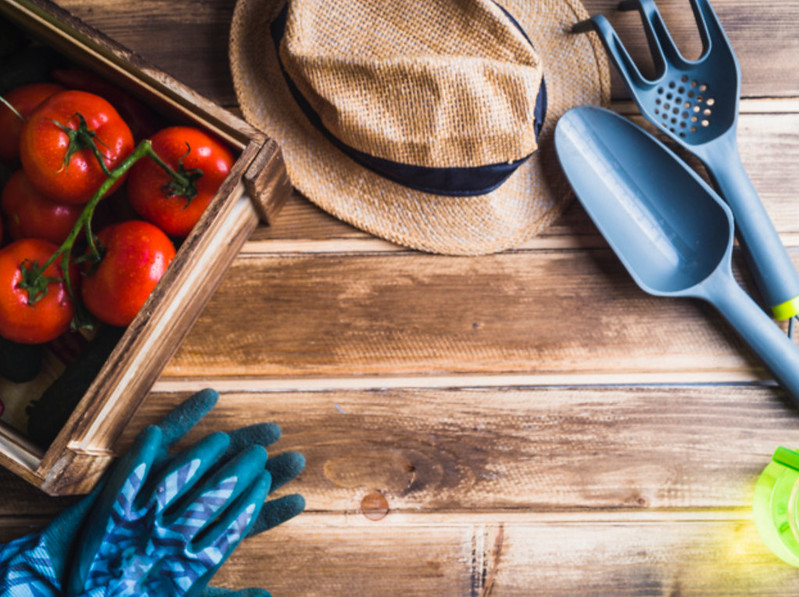
Food Safety in the New Normal (image sourced from freepik.com; article in beingjellybeans.com)

Minimizing Food Waste

Even in The New Normal, sustainability should still be a priority concern with food waste comprising 80% of the country’s solid waste. The Sustainable Diner Project is WWF-Philippines’ initiative that aims to lessen food wastage and contribute to the improvement of the implementation of sustainable consumption and production processes in the food service sector. From studies and talks done by the organization with stakeholders in the food industry, the project has provided steps that consumers and food business can follow to minimize food waste. These include:

  • Plan ahead. Check your refrigerator, pantry and other food storage areas and plan your menu before going out to buy food.
  • Check labels and expiry dates.
  • Ensure proper storage and preparation of food. Ensure that food storage equipment such as refrigerators and chillers are functioning properly. The designated food storage area should be a cool and dry place, free from rodents and pests. Make sure that the food you store is properly sealed to avoid attracting rodents.
  • Only buy products you can reasonably consume. Avoid overbuying food, especially perishables. WWF-Philippines also encourages consumers to buy “ugly” fruits and vegetables which are impertfect-looking produce due to discolorations or shape but are perfectly fine when peeled.
  • Be creative with your next meal. Being stuck at home has unleashed the hidden talent in cooking that many of us have. Try to maximize the existing ingredients in your pantry and even leftovers when preparing your next meal.

The Panda Talk Food Safety: Everyone’s Business may be viewed on Facebook.

About WWF-Philippines

WWF is one of the world’s largest and most respected independent conservation organizations, with over 5 million supporters and a global network active in over 100 countries. WWF’s mission is to stop the degradation of the Earth’s natural environment and to build a future in which humans live in harmony with nature, by conserving the world’s biological diversity, ensuring that the use of renewable natural resources is sustainable, and promoting the reduction of pollution and wasteful consumption.

WWF-Philippines has been successfully implementing various conservation projects to help protect some of the most biologically-significant ecosystems in Asia since its establishment as the 26th national organization of the WWF network in 1997.

Check out my other posts on conservation:

Header photo created by prostooleh – www.freepik.com

Food photo created by freepik – www.freepik.com

Three things to know for your snowy adventure at Mount Rainier, WA

Having lived all my life in a tropical country, I have never experienced snow. Actually, I’m very sensitive to cold weather and prone to feeling the chills when the temperature drops so I have accepted that experiencing snow will never be a reality.

That changed when my bro decided to take Hubby, the kids and myself to Mount Rainier in Washington State during the fam’s US trip.

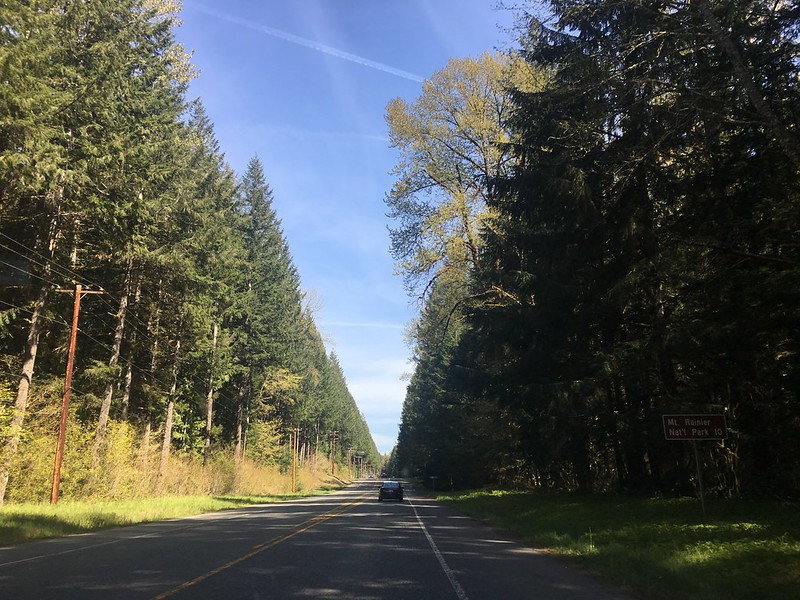
Mount Rainier
Mount Rainier
Mount Rainier

Famed Scottish-American naturalist John Muir once said, “Of all the fire mountains which like beacons, once blazed along the Pacific Coast, Mount Rainier is the noblest.”

Mount Rainier
Mount Rainier

Mount Rainier truly offers a lot of awesome sights to behold.  And if you’re planning a similar trip to this famous attraction, here are some things you might like to know:

1. It was formed by volcanic activity and is, in fact, an active volcano.

At 14,410 feet, Mount Rainier stands at the center of the country’s fifth national park and is the most glaciated peak in the continental United States.  It is a product of many prehistoric volcanic activities as evidenced by basalt columns and other remnants of early eruptions and lava flows.

Mount Rainier

Active steam vents, intermittent earth tremors and its previous eruptions indicate that Mount Rainier is sleeping, not dead.  Set your mind at ease, though: there are seismic monitoring stations throughout the place that should be able to provide warning of impending eruptions days in advance.  You should still watch out for other geologic activities that occur with little warning such as rock falls and debris flows.  If you happen to be near a river and notice a rapid rise in water level or prolonged ground tremors and rumbling noise, the park advises to head on to higher ground, 200 feet above river level should be safe.

2. Its landscape is ever-changing.

From a distance, Mount Rainier may seem solid and permanent but, up close, it constantly changes. This spring, melting snow reveal subalpine meadows with flowers that rapidly bloom for pollinating insects, and foraging animals ensure the continuity of life despite the summer that lasts for only two months.

As a wanderer, you also need to be prepared for the changing conditions on the mountain such as retracing hiking routes, snow avalanches, rushing streams and changing weather.  Gear up for potential difficulties you may encounter when you decide to go hiking, snow boarding or climbing.

Mount Rainier

Our group, for example, was initially planning to enjoy the views at Sunrise, the highest point in the park reachable by car but closed roads going to the area made us change our plans to go to visit Longmire, the Narada Falls and the Paradise Visitors Center instead.

Mount Rainier
Mount Rainier
Mount Rainier
Mount Rainier
Mount Rainier

Factoring in some flexibility in your sightseeing will ensure that everyone still has a good time despite changes in plans. Be sure to note road closure signs and other safety notices on the way.  You can dial 9-1-1 from any phone located within the park for emergency assistance.

3. Its wilderness is home to diverse fauna.

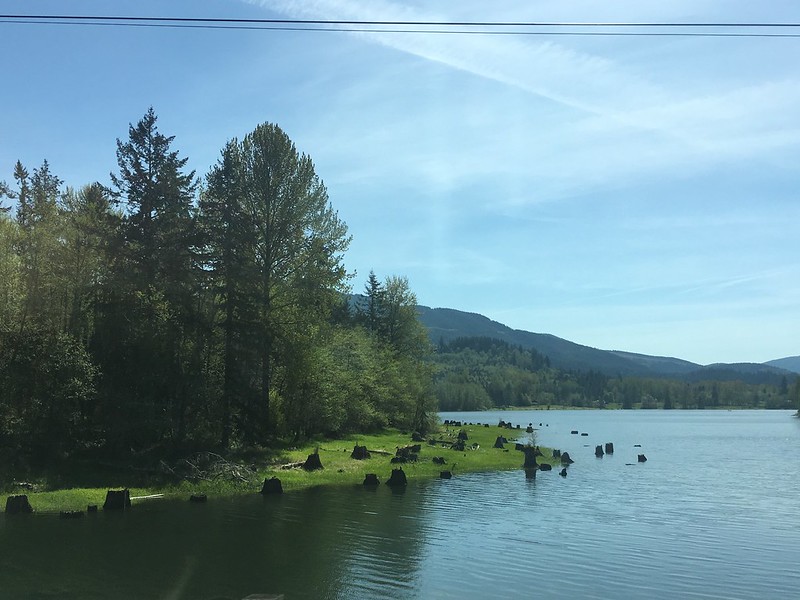
Beyond the roads, parking lots and visitor centers is sprawling wild land: over 97 percent of the Mount Rainier National Park is protected by the 1964 Wilderness Act that keeps it free from development.  Here, animals such as black bears, beavers, mountain goats, spotted owls and the recently reintroduced Pacific fishers, can roam and live freely in the thick forests, lush meadows, rushing rivers and sparkling lakes.

Mount Rainier
Mount Rainier
Mount Rainier

While exploring Mount Rainier, you can take the opportunity to enjoy all the relaxing green spaces to recharge and reinvigorate yourself away from the stresses of city living.  You can also take in the wonders of nature that are in abundance in the area, thanks to the conservation efforts of the National Parks Service.

Mount Rainier National Park is located in East Ashford, Washington, 90 miles (about 2 hours drive) from Seattle.  The park charges USD30 (Php1,565) for every passenger vehicle, or USD25 (Php1,304)  for every motorcycle.  Walk-ins and bicyclists are charged USD15 (Php783).

For more details about the Mount Rainier National Park, visit its website.

Check out the other attractions the fam and I visited during our US trip:

Raise your kids to be sustainable diners

When I was a kid, I was expected to be at my best behavior especially when my family eats at a restaurant. It was the perfect opportunity for me to display that I have imbibed the “elbows off the table”, “use the proper utensils,” and “finish all the food on your plate” rules, among others.

Thanks to the recent WWF-Philippines Savour Planet workshop, The Sustainable Diner: A Key Ingredient to Sustainable Tourism, I learned that, aside from the social niceties of eating out, the younger generation should be taught to eat responsibly and sustainably as well.

For instance, did you know that food waste is actually the biggest threat to the environment today? Seventy percent of terrestrial biodiversity loss and and 69% of global freshwater use is attributable to food production and consumption. A significant portion of this concerns dealing with food waste.

With this in mind, WWF-Philippines launched its The Sustainable Diner Project, an initiative that aims to lessen food wastage and contribute to the improvement of the implementation of sustainable consumption and production processes in the foodservice sector.

The Sustainable Diner’s Savour Planet series aims to empower and educate Filipino diners, media partners, the academe, as well as fellow non-government organizations and food security projects on the importance of sustainable food systems and sustainable dining.  It released a nine-step guide for the public to follow when eating at restaurants to contribute to efforts in lessening food waste.

Being both a foodie and a mom, I reflected on how to integrate these concepts to both aspects of my life. Here’s my take on how you can apply the guide when dining out with the family:

One: Dine in sustainable restaurants often.

A sustainable restaurant is one that incorporates sustainability in its operations: from sourcing of ingredients, food preparation and service to clean up and waste disposal. Earth Kitchen Katipunan which hosted the workshop, for example, espouses the farm-to-table concept in acquiring ingredients that not only lessens the carbon footprint involved food transport but also supports local farms and indigenous communities.

Talk to your kids about these concepts and how to spot these kinds of eateries. You can also apply similar tactics employed by restaurants when packing their baons.

Two: Choose dishes made of ingredients that are in season.

In-season local produce involves far less transport from where they are grown to your plate. Restaurants that use such produce also take advantage of their plentiful supply and freshness.

Personally, I associate certain fruit flavors with seasons and I look forward to the time when I can taste them again. For example, luscious ripe mangoes are for the summer while the sweet and earthy avocados are best enjoyed during the rainy season.

When dining out with your kids, do point out which fruits are in season. This will help them see that there is a proper time for everything, and they can learn to anticipate when they can enjoy their favorite fruits again.

Three: Be adventurous! Try plant-based dishes.

When dining out, expose your kids to dishes that feature plant-based ingredients. Vegetarian-friendly eateries such as Wabi-Sabi and Pantry by Rub Rack, for example, both feature tasty meat-free dishes that kids will love.

You can even incorporate more produce in your home cooking. In case, plant-based food does not figure much in your cooking repertoire, you can always refer to cookbooks on the subject.


Four: Order only what you can finish.

Many of us have received admonishments from our parents while we were growing up to finish whatever is on our plate at mealtimes. This is actually a reminder for us to be mindful of how we consume. Finishing off our plates means less wasted food; eating our three square meal a day is a luxury considering that many in the world actually experience involuntary hunger.

When kids are at their favorite restaurants, they sometimes want to order all their favorites and resort to pester power to get their wishes. As parents, we should guide them to only order what they can consume.

Alternatively, we can also bring reusable take-home containers so you can bring leftovers home.

Five: Ask about the dish and its ingredients.

By asking the restaurants about what goes into the food they serve you as well as the livelihoods they support, you are letting them – as well as your little ones – know that these concerns are important and factors into the decision of which business you want to support.

Six: Don’t be afraid to request for modifications.

There’s really no harm in asking for minor changes in the way the food is prepared or served, especially if it doesn’t significantly impact the restaurant’s operations. Requests such as “less oil please,” or “leave out ingredients that I’m allergic to or won’t eat” will, at the very least, be considered by the restaurant staff. Making your preferences heard and addressed also teaches your children about their rights as consumers.

Seven: Bring your own reusable utensils.

Restaurants usually provide disposable plastic spoons, forks or straws. Avoid using them to lessen those being just thrown away and adding to the landfills. When possible, bring your own set that you can clean at home afterwards.


Eight: Segregate your waste properly.

If your favorite eateries are still not into waste segregation, encourage them to practice it. Waste segregation makes it easier for everyone – the restaurant owner, the waste disposal team, the government and even you as the consumer – to maximize all the resources involved in handling your food.

For example, the leftover bits of food can be composted to fertilize soil for farmers, the dry materials can be recycled while the actual waste that go to landfills are minimized.

Teaching your kids to segregate is a good way to teach them to classify things and view them according to their maximum potential use.

Nine: Educate your friends about sustainable dining.

Encourage your kids to share their sustainable dining habits to their friends by gifting their friends with reusable utensils or inviting their friends over to your place where they can see how you practice it.

Seeing your kids influence their friends for the good of the environment is quite an achievement as a parent.

Bringing up kids who are environmentally aware and practice sustainable dining not only helps in environmental conservation but also imparts values and behaviors to them that will stand them in good stead as they take their place in society.

For more details about WWF-Philippines and its initiatives, visit wwf.org.ph.

This post contains affiliate links.

Check out my posts related to conservation and the environment:

Header image by Pablo Merchan Montes on Unsplash