What Do You Really Think About Legacy Planning?

Legacy planning isn’t exactly the kind of topic you bring up over coffee or weekend brunch. For many of us, who are deep into careers, raising families, building assets, or supporting parents, it feels like something that belongs far off in the future. But a new study from Sun Life Asia reveals why it might be time to think about it sooner rather than later—and why many Filipinos are worried that what they’ve worked so hard to build might not last.

The report, Passing the Torch: Building Lasting Legacies in Asia, surveyed more than 3,000 people across the Philippines, Hong Kong, Indonesia, Malaysia, Singapore, and Vietnam. And what it uncovered is a mix of practical concerns, emotional truths, and generational realities that will sound familiar to anyone navigating adulthood today.

What really matters to Filipinos when planning a legacy?

For most of us, “legacy” is no longer just about passing down money or property—it’s about ensuring that the people we love are secure long after we’re gone.

According to the study, more than seven in ten Filipino respondents (77%) say that having protection in place to ensure their family’s financial security is the most important part of legacy planning. That tracks with where many mid-career Filipinos are today: juggling financial responsibilities, maybe raising kids, maybe caring for aging parents, and definitely thinking about stability.

After financial security, the next priorities are:

  • Educating future generations about financial responsibilities (53%)
  • Building enough wealth to pass to the next generation (52%)

This shows a shift happening right now among Filipino families. It’s no longer enough to earn and save. We want our children—and even our younger siblings, nieces, or nephews—to be equipped to handle money wisely. Teaching them to manage what they inherit is becoming just as important as leaving the inheritance itself.

How Filipinos want their legacy to be used

The study also highlights what Filipinos hope their wealth will do for the next generation. The majority—69%—prefer that what they leave behind goes to essential family needs such as housing and healthcare.

Others want their legacy to help create future opportunities:

  • 63% want wealth to support long-term wealth creation, not just immediate needs.
  • 62% want to fund education, whether that’s school, college, or vocational training.

If you’re someone who’s spent years building your career or starting a business, this probably resonates deeply. We want our families to be comfortable, but we also want them to have momentum—something that helps them build their own futures, not just survive day-to-day.

But here’s the hard part: many fear their wealth won’t last

This is where the report gets especially real.

A striking 81% of Filipino respondents fear that their wealth won’t last beyond their children’s generation. More than half—64%—are worried their heirs might not be financially equipped to manage what they inherit. And only 45% are confident their children will actually uphold their wishes around preserving and growing family assets.

For anyone raising Gen Z or Gen Alpha—or even navigating relationships with younger relatives—these numbers reflect the tension we often feel. Values are shifting. Priorities are shifting. Family conversations about money sometimes don’t happen as openly as they should.

Legacy is more than money—it’s meaning

This is one of the most powerful insights from the study.

When asked what kind of legacy they want to leave:

  • 37% mentioned passing down wealth or property
  • 16% want to leave a positive personal influence
  • 13% want to pass on family traditions and life lessons

It’s a reminder that legacy isn’t just about pesos and bank accounts. It’s about who we are, what we stand for, and the stories and values we want to live on long after us.

Yet only 43% believe their children will uphold family traditions. The rest—more than half—are unsure or worried these traditions may fade.

Many are aware of legacy planning—but few feel prepared

Even as legacy planning becomes more important, only 18% of Filipinos feel fully prepared. A small minority—just 6%—have completed and communicated their legacy plans. Meanwhile:

  • 53% only have partial plans
  • 25% have no plans at all

Many of the conversations happening in families today are also unstructured. 42% of discussions about legacy are informal or casual. But only 19% actually prefer it that way. Most people want more structured, thoughtful conversations—they just don’t know how to start them.

Financial literacy is becoming part of the inheritance

This is one of the most encouraging trends in the study. Many families are already preparing the next generation by:

  • Teaching financial basics (66%)
  • Engaging in open financial discussions (57%)
  • Sharing personal financial experiences (57%)

There’s also a growing interest in professional advice. 43% have already engaged advisors, and 46% are planning to.

As Benedict Sison, CEO and Country Head of Sun Life Philippines, puts it:

“People today want to pass on more than wealth; they want to give the next generation the knowledge and values to manage it wisely.”

Why this matters for our generation

We are the bridge generation: caring for older parents, raising or guiding younger ones, and trying to build stability in an unpredictable world. This study shows that we’re thinking more deeply about legacy—not just in terms of assets, but in the form of values, education, and preparedness.

Legacy planning isn’t morbid. It’s practical. It’s empowering. And as the report reminds us, it’s something we can start shaping today—through the conversations we have, the habits we teach, and the plans we take time to put in place.

To learn more about Sun Life’s award-winning products and how they can help witch your legacy planning, visit its website or contact a Sun Life advisor for personalized advice. Your future self will thank you!

Money-smart ways to enjoy the holidays

As soon as the “Ber” months roll in, we all feel that familiar shift: Christmas lights start twinkling, gift lists begin forming, and our calendars slowly fill with reunions. It’s a warm, exciting time of the year — but to be honest, it can also be one of the most financially stressful. With the long holiday season stretching from September all the way to January, our wallets also often end up working overtime.

If you’re looking to enjoy the festivities without waking up to post-holiday debt, the key is simple: plan early and spend smartly. Here are five practical ways to keep the season merry, meaningful, and financially bright.

1. Set a realistic holiday budget and track it closely.

Before the celebrations sweep you away, take a moment to ground yourself. How much can you really spend without compromising your bills, savings, or upcoming goals? Break your budget into categories — gifts, food, travel, Noche Buena, parties — so you know exactly where your money will go. A simple spreadsheet or budgeting app is often enough to keep you in check. The goal isn’t to restrict joy, but to make sure you’re not stressing about expenses long after the decorations are packed away.

2. Shop early, smart, and strategically.

Impulse buying during peak season is a recipe for overspending. A better approach? Start with a gift list — complete with spending limits per person — and stick to it. Then, pace your purchases. Don’t wait for December; holiday promotions pop up as early as September, and spreading out your shopping helps reduce the strain on a single paycheck. This way, you avoid panic buying and get to enjoy the process instead of rushing through malls at the last minute.

3. Focus on experiences over expensive gifts.

If there’s anything the past few years have taught us, it’s that shared moments matter more than things we can wrap. Consider DIY gifts, handwritten notes, framed photos, or homemade treats — thoughtful gestures that cost less but mean so much more. For family gatherings, suggest a potluck instead of catered spreads. And if your barkada loves exchanging presents, why not try Secret Santa? It keeps the fun while keeping expenses manageable.

4. Use cash or debit for holiday spending.

Credit cards are convenient, yes, but they can also lead to painful January realizations. If possible, use cash or debit so you’re spending only what you actually have. If you must swipe, set a clear limit and commit to paying it off in full when the bill arrives. Avoid letting the holiday spirit turn into long-term debt.

5. Save a portion of your bonus and protect your financial future.

When the 13th month pay or holiday bonus arrives, it’s tempting to splurge — and you should enjoy it! But consider setting aside a portion for long-term goals. One option is exploring financial tools that give both protection and savings. For example, Sun Life’s Save and Protect plan offers up to 20x insurance coverage and a money-back guarantee after 20 years, making it a thoughtful gift for your future self and the people who matter most.

As the holiday rush approaches, take a step back to reflect on how you want to spend — not just your money, but your time and energy. A Sun Life advisor can also help you review your plans and set goals for the coming year, so you can greet the New Year with clarity, confidence, and a lighter heart.

Here’s to a bright, debt-free, and joy-filled holiday season!

For more financial literacy tips and stories, visit www.sunlife.co/LifeGoals.

Gamifying Fitness: GoGym Turns Workouts into Fun, Rewarding Challenges

In a world where motivation often wanes and gym memberships collect dust, GoGym is breathing new life into fitness by turning it into a game—one that rewards consistency, celebrates progress, and keeps members engaged. Gone are the days when working out was just a routine of weights and reps. Today, at GoGym, each workout is an opportunity to unlock achievements, earn rewards, and connect with a community of like-minded fitness enthusiasts. It’s fitness, but with a twist—fitness gamified.

Fitness Meets Fun: The Power of Gamification

It’s no secret that staying motivated to work out can be a challenge. Whether you’re a gym newbie or a seasoned athlete, the grind can sometimes feel like an uphill battle. For many, the gym is a place of struggle, not fun. That’s where GoGym is changing the game—literally.

Through its innovative use of gamification, GoGym has created an environment where every workout feels like a new quest to conquer. Just like in video games, where progress is marked by levels, rewards, and achievements, GoGym uses the same principles to make the fitness journey enjoyable, engaging, and ultimately more effective.

Kristoff Inocentes, Head of Sales & Marketing at GoGym, and a self-confessed avid gamer, explains: “Gamifying the gym experience is the next logical step to making fitness easier to get into, and thus more accessible to all. We want people to keep coming back to our gyms, to enjoy their experience as they put in the effort to achieve their fitness goals. Gamers love finishing quests, earning rewards, and leveling up. And that’s exactly what we want them to do with their fitness journey at GoGym.”

Earning Rewards with Every Move

At the core of GoGym’s gamified experience is the GoGym app, which allows members to track their progress, set personalized goals, and earn rewards. Each time members complete a workout, participate in challenges, or even refer friends, they earn GoCoins—points that unlock tangible rewards such as discounts on personal training sessions, free merchandise, and other exclusive perks.

Imagine getting rewarded for every step you take toward a healthier you. At GoGym, every gym check-in counts toward your fitness goals, turning ordinary workouts into a series of wins. Whether it’s hitting a new personal best or simply showing up for a session, there’s always something to celebrate.

Felicia Perez, Chief Product Officer at GoGym, shares: “Our goal is to create a fitness experience that people genuinely enjoy. We know that fitness can feel intimidating, so we designed GoGym to make it welcoming, fun, and motivating. Gamifying the experience helps people stay engaged and see every session as a chance to level up.”

Tracking Progress: From Streaks to Achievements

One of the most exciting features of GoGym’s gamified experience is its streak counter—a simple yet powerful tool that encourages members to stay consistent. The more you work out, the more rewards you unlock, turning fitness into a fun challenge.

For instance, after three visits in one week, members earn a streak, and every streak brings them closer to leveling up in their fitness journey. The app’s intuitive design makes it easy to see progress in real-time, which is a powerful motivator for staying on track. For those struggling to build habits, the streak counter offers that extra nudge to keep going.

But it’s not just about showing up. The GoGym app also integrates personalized recommendations, tailoring workouts to each member’s individual goals. These dynamic, real-time updates ensure that members are always working toward something achievable, turning fitness into a continuous, rewarding experience.

Challenges and Community: A Sense of Belonging

The gamification doesn’t end with earning rewards. GoGym takes things a step further by creating a dynamic community through the app. Challenges, leaderboards, and community milestones bring members together, fostering a sense of camaraderie and friendly competition. These social features encourage everyone to push their limits, whether they’re participating in a weekly challenge or striving to top the leaderboard.

“Fitness is about more than just individual success; it’s about building a community where we all support each other,” says Kristoff. Through the app, members can cheer each other on, celebrate milestones, and even compete in team challenges, creating a fitness experience that feels personal, social, and rewarding all at once.

Making Fitness Accessible for All

While gamification appeals to those familiar with gaming culture, it’s not just for gamers. GoGym’s innovative approach ensures that everyone, regardless of their fitness level, can find motivation and joy in their workout routine. Whether you’re lifting weights, taking a spin class, or doing yoga, GoGym’s gamified features cater to all types of fitness journeys.

The beauty of this system is that it’s designed to be accessible and inclusive. With a user-friendly app that tracks progress, suggests goals, and even offers personalized fitness plans, GoGym ensures that members of all backgrounds and abilities can enjoy the game of fitness. The app’s flexibility means that it adapts to users’ changing lifestyles, helping them maintain consistency in the face of busy schedules.

“We want to shift the focus from perfection to persistence,” says Andrew Phillips, Co-Founder and CEO of GoGym. “It’s about celebrating small victories, staying consistent, and making fitness something people look forward to.”

A Fitness Journey That Feels Like Play

In today’s fast-paced world, fitness isn’t just about physical strength—it’s about mental and emotional resilience as well. GoGym’s gamification makes the fitness journey a fun, exciting, and rewarding experience, turning what can be a tedious task into a playful adventure. With personalized goals, rewards, and a vibrant community, members are motivated to keep showing up and leveling up in their fitness journey.

At GoGym, fitness isn’t a chore—it’s a game, and every workout is a victory.

Ready to Level Up?

With its focus on gamification, community, and personalized fitness, GoGym is redefining what it means to work out. Whether you’re new to fitness or a seasoned pro, GoGym offers a fresh, fun way to stay motivated and achieve your goals.

To learn more about GoGym or to start your gamified fitness journey, visit www.gogym.ph or download the GoGym app on the iOS App Store or Google Play Store.

Details provided in recent press releases.

Sun Life Grepa’s 5 Tips for a Brighter 2025

The start of a new year is like a fresh canvas—a chance to paint a vibrant picture of your future filled with purpose, love, and well-being. While resolutions often center around career milestones or financial ambitions, embracing a holistic approach can lead to a truly balanced and fulfilling year.

So, how can you make 2025 your brightest yet? Here are five inspiring tips to guide you:

1. Prioritize Your Family’s Wellness

A strong, happy family begins with a foundation of health and connection. This year, make family time sacred. Share more meals, schedule device-free evenings, or discover the joys of outdoor adventures together. By nurturing these bonds, you’ll create memories that outshine any material achievement.

2. Align Your Financial and Health Goals

Imagine saving not just for a rainy day but for meaningful moments—a family vacation, a wellness retreat, or even healthy cooking classes. By intertwining financial goals with wellness priorities, you’re investing in experiences that enrich your life. It’s not just about balancing budgets; it’s about balancing what truly matters.

3. Balance Hustle with Rest

The pressure to constantly achieve can be overwhelming, but true growth often comes during moments of pause. Protect your well-being by setting boundaries, whether that means carving out time for self-care or reserving weekends for family fun instead of errands. A well-rested you is the key to supporting your loved ones effectively.

4. Build a Legacy of Meaning

Your impact extends beyond the here and now. This year, focus on creating a legacy that matters. Financial security can pave the way for your children’s dreams and ensure a stable future. Teaching them the value of financial responsibility and supporting their aspirations builds a foundation of purpose and possibility.

5. Celebrate Every Step Forward

It’s easy to get lost in the pursuit of big goals, but the small wins deserve recognition too. Whether it’s learning a new skill, ticking off a long-overdue task, or savoring a joyful moment with loved ones, these little victories make life rich and rewarding.

To turn these aspirations into reality, consider equipping yourself with the right tools. Financial protection solutions from Sun Life Grepa Financial, Inc. can help secure your future and support your goals, whether they center around life or health-focused needs. A Sun Life Grepa financial advisor can guide you in finding solutions tailored to your lifestyle and budget. Visit www.sunlifegrepa.com to start your journey toward a brighter tomorrow.

As we welcome 2025, let’s make it about more than just resolutions. Let’s focus on creating lives brimming with purpose, joy, and well-being. Here’s to your brightest year yet!

Details provided in a recent press release.

Reuse & Refill: Solving the plastic crisis in the Philippines

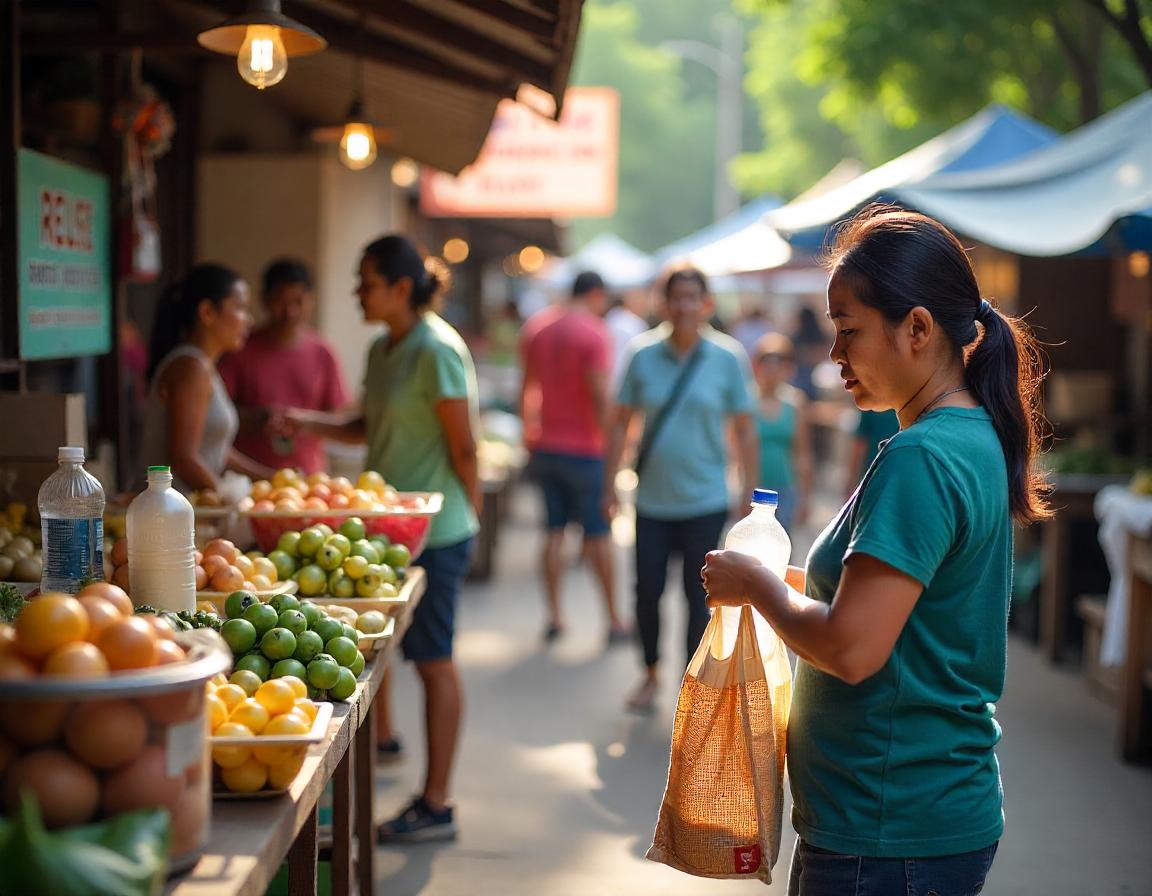
Imagine a bustling Filipino market, where the stalls are brimming with fresh produce and vendors call out prices in a lively chorus, but what’s noticeably missing in this scene is the crinkle of plastic packaging. Instead, shoppers carry reusable bayongs, reminiscent of a time when environmental responsibility was simply a way of life. This glimpse into a sustainable future isn’t just wishful thinking—it’s a vision that could become reality through the widespread adoption of reuse and refill systems.

The Plastic Crisis in the Philippines

The Philippines faces a mounting plastic crisis. Every day, the country consumes 163 million sachets, 48 million shopping bags, and 45 million thin film bags. This dependence on single-use plastics is fueled by convenience, but it comes at a staggering cost to the environment, public health, and society at large. Plastic waste clogs waterways, endangers marine life, and contributes to greenhouse gas emissions across its lifecycle, from production to disposal.

While waste management initiatives abound, they merely address the symptoms of the problem rather than its root cause. Developed nations with robust waste management systems still grapple with plastic pollution, often exporting their waste to low-income countries like the Philippines. The conclusion is clear: managing waste isn’t enough. The real solution lies in reducing plastic production and embracing sustainable alternatives.

Why Reuse and Refill Systems Matter

At the heart of the solution are reuse and refill systems—innovative models designed to eliminate single-use plastics. These upstream solutions tackle the plastic crisis at its source, significantly reducing environmental, social, and health impacts. By replacing disposable packaging with reusable alternatives, these systems can slash plastic pollution, curb greenhouse gas emissions, and create economic opportunities.

Research underscores their potential. A European study comparing reusable and single-use detergent packaging found that the reusable option had 12 times less environmental impact. Scaling reuse models in the food and beverage sector could reduce resource consumption by over 27 million tons by 2030, demonstrating both ecological and economic benefits.

Lessons from the Past and Existing Models

Ironically, the Philippines has long embraced reuse practices. Before single-use plastics dominated the landscape, the tingi-tingi culture revolved around reusable containers. Customers refilled jars with cooking oil or soy sauce at neighborhood stores and carried their goods in woven bayongs. Today, this traditional mindset is echoed in emerging reuse models globally and locally.

Water refilling stations, a staple in many Filipino communities, exemplify the practicality of reuse systems. Other models, such as returnable glass bottles and refill-on-the-go stations in zero-waste stores, show how businesses and consumers can work together to reduce waste.

Policy Recommendations for a Reuse Revolution

To mainstream these practices, Greenpeace has proposed a comprehensive policy framework. Key recommendations include setting ambitious targets for businesses to transition to reuse systems—50% of plastic packaging by 2030—and offering incentives to enterprises that lead the charge. Producers and retailers must collaborate to design standardized refill systems that are cost-effective and scalable.

The fast-moving consumer goods sector, a major driver of single-use plastic consumption, is pivotal. Policies should mandate refill stations for essentials like cooking oil, shampoo, and laundry detergent. Such initiatives could transform the market, making reusable packaging the norm rather than the exception.

Challenges, of course, remain. The upfront costs for businesses to adopt reuse systems and the effort required to shift consumer habits are significant hurdles. However, with the right policies and incentives, these obstacles can be overcome.

Incentives and Consumer Engagement

A successful transition to reuse and refill systems requires buy-in from both businesses and consumers. Financial incentives, such as tax breaks for enterprises and discounts for customers using reusable containers, can drive adoption. Non-financial incentives, like loyalty programs offering rewards for refill transactions, can further encourage participation.

Public awareness campaigns are equally crucial. Educating communities about the environmental and health benefits of reuse systems can shift attitudes and foster a culture of sustainability. Schools, local governments, and businesses must collaborate to ensure these messages reach all corners of society.

As the market scene fades into the bustling chaos of daily life, it serves as a poignant reminder of what’s at stake. The Philippines has the opportunity to lead a reuse revolution, addressing the plastic crisis while fostering a cleaner, fairer, and more sustainable future.

This vision isn’t just the responsibility of governments and corporations—it’s a collective endeavor. Shoppers can bring their own containers. Vendors can advocate for refill systems. Policymakers can champion bold reforms. Together, we can turn the tide on plastic pollution and ensure that future generations inherit not just a cleaner Philippines, but a planet where reuse and sustainability are second nature.

Read more of Greenpeace’s policy recommendations here.

Ringing in the New Year: Sustainable Celebrations for a Greener Tomorrow

As the clock strikes midnight and fireworks light up the sky, a new year begins with promises of fresh starts and new adventures. Yet, as we celebrate the dawn of another year, it’s also an opportunity to reflect on how our traditions can evolve to be kinder to the planet. From zero-waste parties to digital greetings, there’s a growing movement towards welcoming the New Year with sustainability in mind. This article explores how we can turn our festive celebrations into environmentally conscious acts that honor both the future and the Earth.

A Sustainable Party: Reimagining the Celebration

The typical New Year’s party, with its streamers, balloons, and mountains of disposable plates and cups, leaves behind a significant environmental footprint. But with a few mindful changes, it’s possible to throw a bash that’s both fun and sustainable. Eco-conscious party planners are swapping out plastic decorations for reusable ones—think fabric banners, fresh flowers, and natural accents. Guests are encouraged to bring their own reusable bottles and cups to avoid the waste that comes with disposables. It’s a simple switch, but it makes a huge difference. The key is to make sustainability part of the tradition.

Eco-Friendly Fare: A Plant-Based Feast

Food is central to many New Year’s traditions, but what we eat and how it’s prepared can have a lasting impact on the environment. With the rise of plant-based diets, many are opting for sustainable meals that minimize their carbon footprint. Local, seasonal ingredients take center stage, and plant-based dishes while not entirely replacing, supplement meat-heavy options. Local farmer’s markets and farm-to-table restaurants are a perfect source for fresh, sustainably grown produce. Not only do these choices support local economies, but they also leave a smaller environmental footprint. A delicious meal shared among loved ones becomes a way to nurture the planet as well as the people around the table.

Digital New Year’s Greetings: Going Paperless

The tradition of sending New Year’s cards is beloved, but it’s also one that generates a surprising amount of waste. A simple solution? Digital greetings. E-cards, personalized videos, and social media posts are an eco-friendly alternative to traditional paper cards, reducing paper waste while still spreading the love. The idea of sending out beautiful paper cards is lovely, but there’s something personal and meaningful about receiving a personalized digital message. It’s a modern twist on a time-honored tradition that reflects a more sustainable mindset, allowing people to share their best wishes without leaving behind a trail of discarded paper.

Replacing Fireworks with Mindful Alternatives

Fireworks may be a time-honored tradition, but their environmental and health impacts—ranging from air pollution to noise disruption—are sparking a growing movement toward fireworks alternatives. In some countries, virtual fireworks displays have become a popular choice, offering all the spectacle without the environmental cost. Others are embracing more sustainable pyrotechnics or even “silent” fireworks, which offer the thrill of a light show without the loud bangs. For those celebrating at home, biodegradable confetti and plant-based glitter are becoming popular alternatives to traditional fireworks. These eco-friendly options bring the same excitement to the occasion without the environmental damage.

As the world shifts towards more sustainable practices, the New Year offers an opportunity to celebrate with mindfulness. Whether it’s through zero-waste parties, plant-based feasts, or digital greetings, each thoughtful choice brings us closer to a future where our celebrations nourish not only our spirits but the planet as well. In the coming year, may our traditions evolve in ways that reflect a deeper respect for the Earth, ensuring that the joy we feel today doesn’t come at the cost of tomorrow. As we toast to new beginnings, let’s also raise a glass to sustainability, because the future deserves to be celebrated too.

How do you plan to welcome the New Year?

Caught Off Guard: How Inflation Challenges Are Reshaping Retirement in Asia

As the sun sets on years of hard work, retirement is meant to be a time of rest, relaxation, and reward. But for many retirees across Asia, the golden years are proving to be a financial juggling act, especially as inflation continues to bite. A recent survey by Sun Life Asia paints a vivid picture of the challenges faced by retirees in the region and offers a glimpse into the future of retirement planning.

Regrets and Reality: The Filipino Experience

In the Philippines, nearly half of today’s retirees harbor regrets about their financial decisions, with the majority lamenting not saving enough (73%). Others cite unwise investments (47%) or retiring too early (38%) as missteps. These regrets have tangible consequences: one in four retirees finds themselves blindsided by the rising cost of living, particularly healthcare and daily expenses.

The survey, titled Retirement Reimagined: Facing the Future with Confidence, highlights how inflation—markedly higher in the Philippines than the Asia average of 11%—has stretched retirement budgets thin. Many retirees have been forced to cut spending (62%) or turn to family for financial support (48%).

“There is a growing awareness among Filipinos about the importance of financial management to achieve a prosperous and comfortable retirement,” said Carla Gonzalez-Chong, Chief Client Experience and Marketing Officer at Sun Life Philippines. “Financial literacy remains key, and we are committed to this advocacy to help more Filipinos overcome the obstacles and enjoy quality lives in their golden years—just as they deserve.”

The Challenge of Late Planning

Despite these lessons, planning for retirement often starts far too late. Alarmingly, 66% of survey respondents admitted they would only begin preparing for retirement expenses within five years of retirement—or not at all. David Broom, Chief Client and Distribution Officer at Sun Life Asia, warns that this approach leaves many unprepared for the realities of post-work life.

“Our research shows that while independent financial security is seen as the foundation for a rewarding retirement, many people remain unprepared for the realities they face,” Broom said. “Early planning and disciplined saving are key to facing your golden years with confidence.”

The Next Generation: Redefining Retirement

Younger generations, however, are taking note of these challenges and adjusting their expectations. Workers across Asia now anticipate retiring at an average age of 65—seven years later than their retired counterparts. Many cite the need to save more (59%), stay active (59%), and cover increased living expenses (46%) as reasons for postponing retirement.

This shift reflects an evolving understanding of financial independence and longevity. “Ensuring the wellbeing of our growing senior population is a shared challenge in our communities,” Broom said. “We have a unique opportunity to redefine what a secure and healthy retirement looks like and empower people to approach their post-career years with proactive financial planning.”

Gold Star Planners vs. Retirement Rebels

The survey also identified two distinct groups among retirees: the “Gold Star Planners” and the “Retirement Rebels.” Gold Star Planners, who begin planning expenses well ahead of retirement, save more than 10% of their income, and invest in insurance and pension products, are more likely to stay within their budgets and express greater confidence in their health and finances.

In contrast, Retirement Rebels, who lack sufficient planning and insurance protection, often find themselves struggling to adapt. They are more likely to regret their financial decisions and face unexpected expenses in their later years.

Aspirations and Anxieties

For many Filipinos, retirement aspirations remain simple yet profound: spending quality time with family and friends (48%), escaping the daily grind (16%), and traveling the world (14%). However, these dreams are often tempered by concerns about health issues and physical decline (68%), which can derail even the best-laid plans.

A Call to Action

Sun Life’s findings are a wake-up call for individuals across all age groups. As the survey underscores, achieving a secure and fulfilling retirement requires early action, disciplined saving, and professional guidance. For those ready to take control of their financial future, Sun Life offers products like Sun Smarter Life Elite, Sun MaxiLink Prime, and Sun Senior Care, alongside access to trusted financial advisors.

“Retirement is not just a financial milestone—it’s a chance to live the life you’ve always dreamed of,” Gonzalez-Chong said. “With the right planning and support, every Filipino can look forward to golden years filled with joy, security, and peace of mind.”

For more information or to consult a Sun Life advisor, visit www.sunlife.co/TalkToAnAdvisor.

Details provided in a recent press release.

How Forcing Employees Back to the Office Undermines the Green Revolution Sparked by COVID-19

The COVID-19 pandemic was a disruptive force, reshaping lives and industries across the globe. Yet, amid the challenges, it also triggered an unintended green revolution—an opportunity to rethink our approach to sustainability. As lockdowns and restrictions led to a dramatic reduction in pollution, carbon emissions, and waste, many began to realize that a more sustainable future was possible. However, the push to return employees to the office threatens to undo these environmental gains.

It is evident that forcing people back into traditional office environments contradicts the progress made during the pandemic, undermining the green movement that began when the world paused.

The Environmental Gains of Remote Work

One of the most visible and immediate effects of the pandemic was the sudden and significant drop in carbon emissions. With businesses shifting to remote work, the world saw fewer cars on the road, reduced flights, and closed offices—all contributing to cleaner air and less environmental strain. In the United States alone, remote work in 2020 saved an estimated 50 million metric tons of CO₂ emissions, demonstrating just how impactful a shift in work patterns could be on the environment.

Beyond emissions, the decrease in office activity led to reduced waste. With fewer people in the office, there was less disposable packaging, fewer paper products, and less overall resource consumption. Companies even started reconsidering the need for large office spaces, reducing the overall energy footprint of office buildings.

At home, remote work also spurred more sustainable habits. Many workers invested in energy-efficient home offices, from LED lighting to eco-friendly furniture. For the first time, people were thinking about their environmental impact in the context of their workspaces—a shift that could have long-lasting effects on consumer behavior.

The Case Against Forcing a Return to the Office

Despite these clear environmental benefits, the movement to bring employees back to the office is gaining momentum. This push risks undoing the green revolution sparked by the pandemic. Commuting, business travel, and the energy consumption of office buildings are major contributors to global carbon emissions. Forcing workers back to offices increases these environmental impacts, leading to higher CO₂ emissions, more waste, and greater resource use.

This shift back to office work not only reverses environmental progress but also reflects a regressive stance in the fight against climate change. While some argue that in-person collaboration is necessary for innovation, many of the environmental costs associated with office life can be avoided with continued flexible work arrangements. Additionally, the inefficiencies of large office spaces, particularly in urban areas, exacerbate energy consumption and increase the need for nonrenewable resources.

Many employees have shown a preference for hybrid or fully remote work, not just for personal convenience but also because these models align with their growing desire to support environmentally conscious practices. By insisting on a return to the office, companies risk alienating their workforce, ignoring both the environmental and cultural shifts that have taken place over the past few years.

Remote Work as a Catalyst for a Sustainable Future

The environmental benefits of remote work are not temporary; they offer long-term potential for meaningful change. The pandemic demonstrated that when human activity is scaled back, ecosystems can recover, air and water quality can improve, and carbon emissions can decline. This period of environmental respite proved that significant reductions in pollution and waste are possible—if only we prioritize sustainability over convenience.

Instead of returning to the old office-centric model, businesses have an opportunity to integrate hybrid and remote work as a permanent solution. Not only can these models maintain the environmental benefits, but they can also reduce the need for office infrastructure, decreasing the demand for energy and resources. For companies, remote work can lead to lower operating costs and increased employee satisfaction, offering both economic and environmental advantages.

Furthermore, businesses that embrace flexible work models can bolster their reputation as sustainability leaders. In an era where corporate responsibility is increasingly scrutinized, maintaining green practices can attract consumers and talent who prioritize eco-consciousness. In this regard, remote work isn’t just a response to the pandemic—it’s an investment in the future of both businesses and the planet.

The green revolution sparked by COVID-19 demonstrated what is possible when human activity slows down and aligns with the planet’s needs. The reduction in carbon emissions, waste, and pollution was not a fluke—it was the result of rethinking how we live and work. Forcing employees to return to the office is a step backward, undoing the progress made during the pandemic and exacerbating the environmental crisis.

The challenge now is to make these environmental improvements permanent. Businesses should embrace hybrid or remote work models, which not only benefit the planet but also improve employee well-being and satisfaction. In doing so, they can contribute to a more sustainable future, ensuring that the green revolution sparked by the pandemic doesn’t end when offices reopen.

Policymakers, business leaders, and employees alike must recognize that the future of work can—and should—be green. It’s time to embrace the lessons of the pandemic and build a more sustainable world for generations to come.

Pasko sa Puso: The Spirit of Filipino Christmas Traditions

Every year, as soon as September rolls in, something magical happens in the Philippines. Streets come alive with Christmas carols, parols (star-shaped lanterns) begin to brighten windows, and families excitedly plan their reunions. As someone who grew up cherishing these traditions, I remember the anticipation that built up over months, not just for the fun of the season but for the opportunities it brought to strengthen family and community bonds. The joy of shared meals, early morning Masses, and communal celebrations made Christmas more than just a holiday—it became a deeply meaningful experience.

Filipinos are known for celebrating the longest Christmas season in the world. Starting with the “Ber” months—September through December—the holiday spirit lingers well into January. This extended season isn’t just about length; it’s about creating more time for connection. From planning family gatherings to decorating homes with handcrafted parols, the preparation itself becomes an act of love and togetherness. These months of anticipation set the tone for a Christmas season unlike any other, where traditions are both festive and profound.

Faith and Devotion: Simbang Gabi and Panunuluyan

At the heart of the Filipino Christmas is faith. Simbang Gabi, a nine-day series of dawn Masses leading up to Christmas Eve, is a cherished tradition. For many, attending these early morning services is a spiritual journey, a time to reflect and give thanks. Completing the novena is believed to grant special blessings, but beyond superstition, it’s a practice that brings people together in faith and community. Of course, part of the appeal of Simbang Gabi is indulging in warm bibingka and puto bumbong afterwards.

Another meaningful tradition is the Panunuluyan, a reenactment of Mary and Joseph’s search for shelter in Bethlehem. This ritual, often performed on Christmas Eve, serves as a reminder of the values of compassion and hospitality—qualities deeply ingrained in Filipino culture. It’s a call to open hearts and homes, especially during the holiday season.

Food, Family, and Festivities: Noche Buena and Media Noche

Food has always been central to Filipino celebrations, and Christmas is no exception. On Christmas Eve, families gather for Noche Buena, a midnight feast that often includes Filipino staples like lechon, ham, queso de bola, and desserts like leche flan and buko salad. Far from being just a meal, it’s a celebration of togetherness, where loved ones share stories, laughter, and gratitude.

Similarly, New Year’s Eve is marked by Media Noche, another feast rich with symbolism. Families prepare round fruits for prosperity, sticky rice cakes for strong bonds, and a variety of dishes to welcome the new year with abundance and joy. These meals reflect the importance of familial ties and the optimism that Filipinos carry into the future.

Community and Creativity: Parols, Caroling, and Generosity

The parol, with its bright colors and simple yet intricate design, is the quintessential symbol of Filipino Christmas. These lanterns, often handcrafted, illuminate homes and streets, symbolizing hope and the guiding light of the season. Crafting and displaying parols bring communities together, as they reflect the resourcefulness and creativity of the Filipino spirit.

Caroling, too, is a tradition that highlights community. Groups of children and adults go house to house, singing Christmas songs in exchange for small treats or coins. It’s a joyful exchange that fosters generosity and connection. Similarly, the practice of giving aguinaldo, or small gifts, teaches children the value of respect and gratitude, as they visit elders to receive blessings during the holidays.

New Year’s Eve: A Celebration of Hope

Filipino New Year’s celebrations are loud, vibrant, and full of optimism. Fireworks, horns, and even banging pots and pans are common, as families usher in the new year with noise to drive away bad spirits.

Many households also practice placing coins on doorways and window sills, believing this will invite prosperity and good fortune into their homes. Another cherished custom is the preparation of 12 round fruits, symbolizing abundance for each month of the year.

These traditions, combined with the festive atmosphere, highlight the Filipino emphasis on creating a prosperous and harmonious future while celebrating the present with loved ones.

A Reflection of Filipino Values

What makes Filipino Christmas traditions so special is their ability to connect people—not just with one another but with their shared history and values. The season is a time for faith, family, creativity, and generosity, woven together into celebrations that are as meaningful as they are joyful.

For me, these traditions continue to hold a special place in my heart. They remind me of the warmth of family gatherings, the joy of giving, and the strength of community bonds. As the parols light up the night and carols fill the air, I am reminded that Christmas in my country is not just a holiday—it is a season of love and togetherness that reflects the very heart of being Filipino.

What are your favorite Christmas traditions?

The Hidden Costs of Diabetes: Financial and Mental Health Struggles in the Philippines

Imagine waking up every day knowing that managing your health will come at a cost—not just physically, but emotionally and financially as well. For many Filipinos living with type 2 diabetes, this is the reality. A recent survey by Sun Life Asia sheds light on the profound impact of this chronic condition, uncovering an urgent need for better awareness, prevention, and access to care.

The Heavy Financial Toll of Type 2 Diabetes

For 51% of Filipinos with diabetes, the condition places a “severe” or “significant” financial strain on their lives. Alarmingly, 89% of respondents said they cannot consistently afford the care they need, often forced to make difficult trade-offs between health and other necessities. Even those who do not have diabetes feel the weight of this potential burden: 81% of non-diabetics are “very concerned” or “concerned” about the financial repercussions of a diabetes diagnosis.

Carla Gonzalez-Chong, Chief Client Experience and Marketing Officer at Sun Life Philippines, highlights the broader implications: “To help address the financial impacts of this illness, our financial literacy advocacy continues, sharing ways to develop good financial habits, build the necessary funds, and be financially secure even while managing diabetes. This is our commitment.”

Mental Health: The Silent Struggle

Beyond the financial burden, the survey reveals a significant mental health impact for those with diabetes. About 69% of respondents reported negative effects on their mental well-being after their diagnosis. Feelings of judgment and stigma exacerbate this struggle, with 69% feeling judged by family and friends and 70% experiencing bias at work.

Such social and emotional pressures often go unnoticed, yet they are critical in understanding the full scope of diabetes’ impact. “Our research shows it’s critical to address the notable knowledge gaps around diabetes—its risk factors, and the importance of early diagnosis and prevention,” says Steven Ho, Sun Life’s AVP, Medical Director.

A Preventable Crisis

Despite the rising prevalence of diabetes—projected to affect 152 million people in Southeast Asia by 2045—prevention measures remain underutilized. In the Philippines, 40% of individuals have never been screened for diabetes, while only 45% undergo annual screenings. The lack of awareness extends to children: one in ten parents do not ensure their kids eat a healthy diet, and 25% fail to encourage regular exercise.

Understanding food labels is another hurdle, with 30% of respondents struggling to identify hidden sugars and fats in their diet. As Ho emphasizes, simple lifestyle changes, such as regular exercise and healthier eating, can dramatically reduce diabetes risks and even lead to remission.

Barriers to Healthy Living

A decline in physical activity further complicates efforts to combat diabetes. More than a quarter (27%) of Filipinos report exercising less than they did five years ago, citing a lack of safe, accessible spaces as a primary reason. To address this, Sun Life has partnered with Beyond Sport to launch “Hoops + Health,” a program that promotes active lifestyles through basketball. Since 2023, the initiative has reached over 14,000 people in underprivileged communities.

Combating Myths and Misconceptions

Misconceptions about diabetes continue to hinder progress. Nearly 23% of Filipinos believe type 2 diabetes only affects overweight individuals, while 58% attribute it solely to excessive sugar consumption. Such myths contribute to a lack of proactive health management.

The survey also found that only 35% of Filipinos believe type 2 diabetes can be managed without medication, even though many medical professionals emphasize the potential for remission through lifestyle changes. However, only a fraction of diabetics actively work toward reversing their condition, with most unaware that this goal can often be achieved within a year.

A Shared Responsibility

To tackle diabetes effectively, education and community support are key. Gonzalez-Chong outlines Sun Life’s ongoing efforts: “Through partnerships with local hospitals and organizations, we are providing nutrition counseling, fitness activities, and diabetes screenings to communities across the Philippines. It is our hope that this will inspire more communities to make diabetes prevention a shared goal.”

By raising awareness and empowering individuals to take preventive action, Sun Life aims to reduce the hidden costs of diabetes—financial, emotional, and social—and foster healthier futures for Filipinos.

For more details on Sun Life’s “Healthy Habits, Healthier Futures” survey, visit Sun Life’s website.

Details provided in a recent press release.