Lingap LEADS Foundation champions plight of Pinoy farmers

For a country with such an intense appreciation (and appetite!) for food, it seems like the Philippines has not given enough priority to the people who grow it.

Clearly, the plight of Filipino farmers needs to be addressed.

Dire outlook for agricultural sector

According to 2021 data released by the Philippine Statistics Authority (PSA), farmers and fisherfolk remain the poorest among the population. Belonging to the bottom 50% earners in the country, many farmers number among the nearly 20 million Filipinos living in extreme poverty.

And they are dwindling. 

A separate report shows that the average age of Filipino farmers is now 57, up from 44 in 1971. Pretty soon, they will age out of the occupation with no one to take their place, not even their children. Rice farmers discourage their kids from pursuing farming as a career, holding the opinion that rice farming is physically tiring and not economically rewarding.
Lingap LEADS Foundation

It is not surprising then that the Philippines had the highest number of moderately or severely food-insecure in Southeast Asia, with nearly 51 million Filipinos faced moderate or severe food insecurity in 2020 to 2022.

To counter these dire outlooks, the farming sector needs to be fully supported and empowered, equipped with knowledge and resources to survive and thrive amidst the challenges it continues to face.

Respect-driven initiatives for Filipino farmers

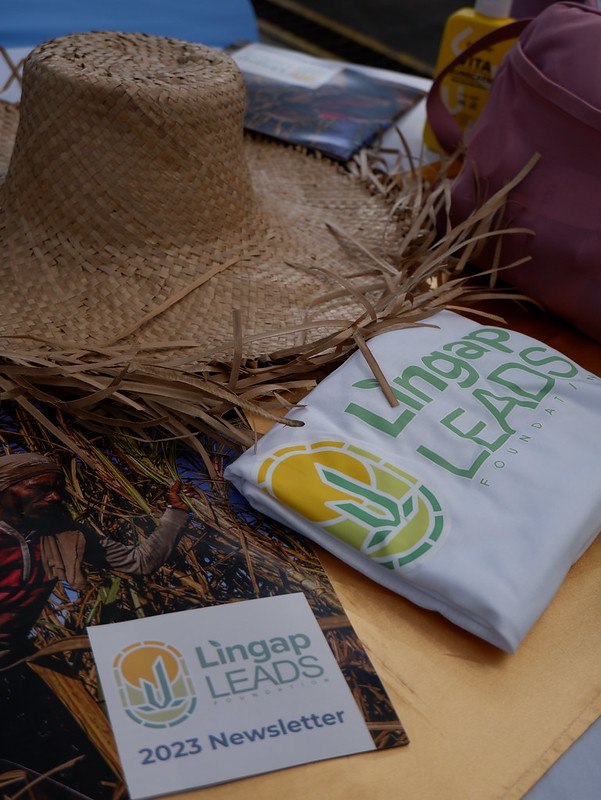
Lingap LEADS Foundation, Inc., the social development arm of the Leads Group of Companies, serves as the country’s premier advocate for the occupational health and safety for farmers. It seeks to rekindle the recognition of the crucial role that farmers play and to invest in their overall well-being.

The ten-person Lingap LEADS team led by Executive Director Dr. Angelique Malveda seeks to redefine Filipino farmers are visionary leaders. It shifted its initiatives from being based on charity and dole-outs to being rooted in respect, through initiatives that empower farmers and provide them with sustainable support.

Lingap LEADS Foundation

To address the multi-faceted needs of farmers, Lingap LEADS focuses its efforts towards the following:

  • Lingap-Kasaka: Programs that promote the livelihood, health and welfare of farmers
  • Lingap Kapatid: Programs that assist people in need through collaborations with other foundations
  • Lingap Kapamilya: Programs in conjunction with the workforce and affiliated entities of its parent company

Stepping into farmers’ shoes

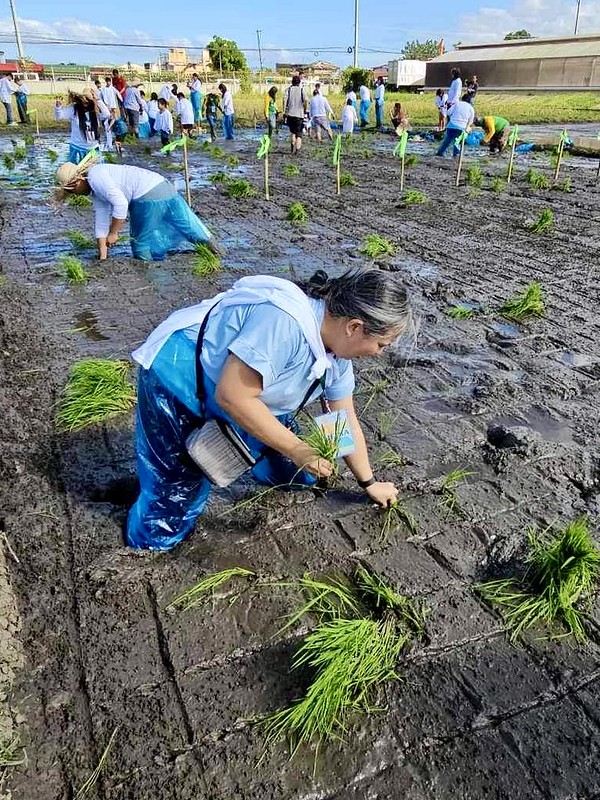
The hardships of rice planting are immortalized in the folk song “Magtanim ay ‘di Biro,” citing how farmers spend the day doing back-breaking work with almost no rest.

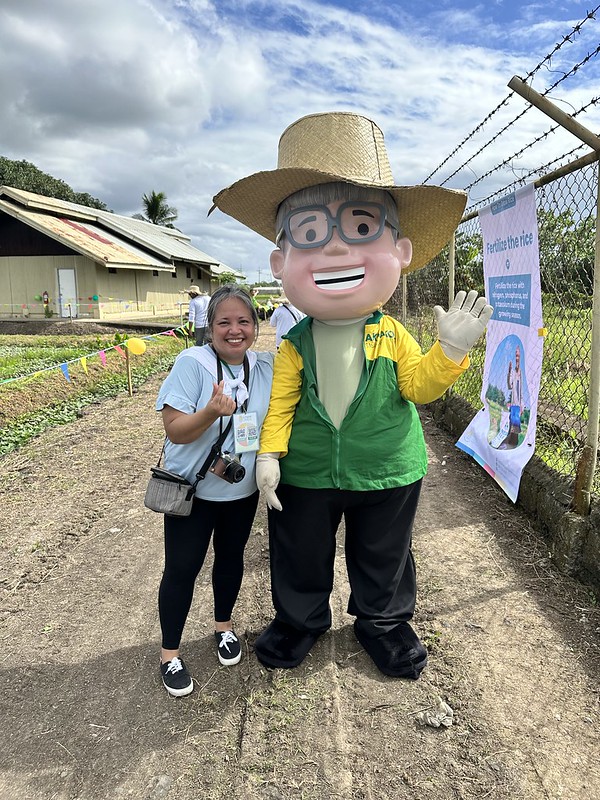
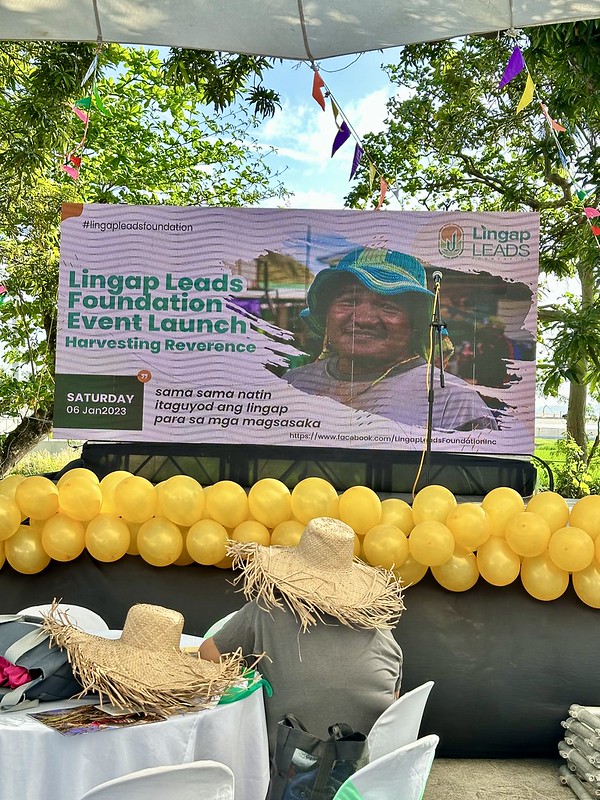
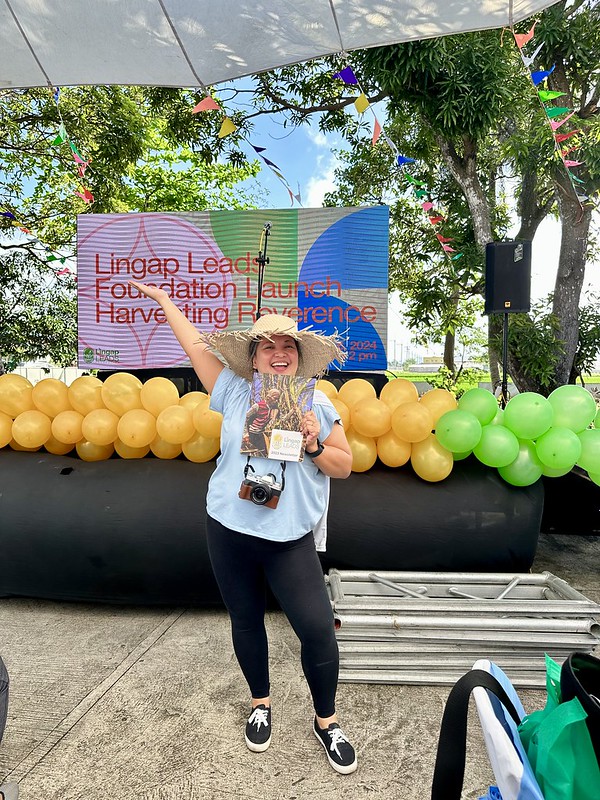
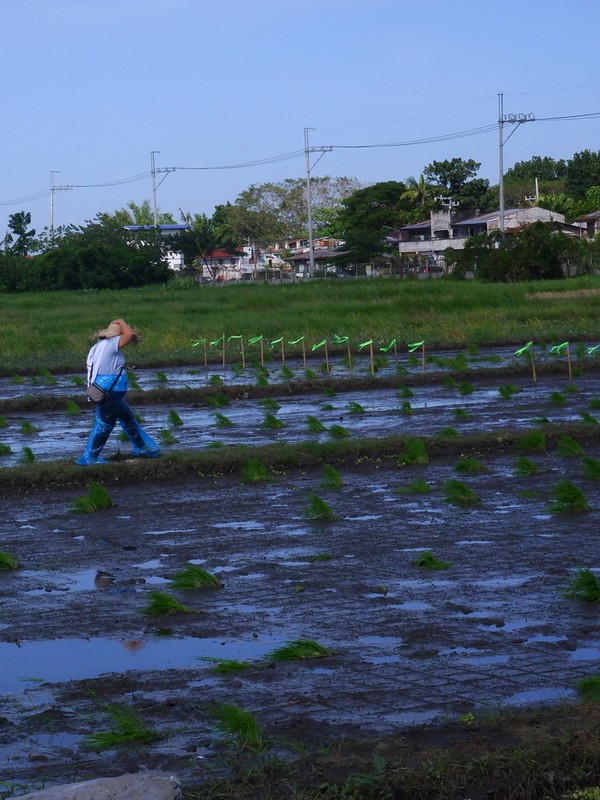
During its recent launch event for Harvesting Reverence, the foundation facilitated a unique and memorable way for my fellow bloggers and myself to truly appreciate the travails of local farmers: a hands-on rice planting experience!

Lingap LEADS Foundation
Me with my fellow bloggers
Lingap LEADS Foundation
On my way to my hands-on rice planting experience
Lingap LEADS Foundation
“Magtanim ay di’biro!”
Lingap LEADS Foundation

Yep, I rolled up my sleeves, got down to the field and planted rice stalks on the muddy ground. Definitely, my ten minutes of stomping in the mud – equipped with my salakot and protective gear – are nothing compared to the long and exhausting hours that farmers expend in growing food. 

It was quite a humbling and eye-opening experience and it brought to mind the need to support and uplift Filipino farmers.

Paving the way towards sustainability

Lingap LEADS also introduced its programs geared towards supporting four priorityamong the 17 Sustainable Development Goals (SDGs) espoused by the United Nations (UN):

  • SDG#3 Good Health and Well-being (Lingap Kalusugan). Programs on health education, health care and health financing to promote farm occupational health and safety such as Lingap Lakbay Kalusugan that delivers free diagnostic test packages to underserved communities.
  • SDG#4 Quality Education (Lingap Kinabukasan). Programs that fuel the pursuit of knowledge that leads to a brighter future such as the Angat Pinoy Scholarship Program that helps farmers’ children and other students to continue their education.
  • SDG#8 Decent Work and Economic Growth (Lingap Kabuhayan). Programs that empower farmers through sustainable livelihood opportunities through respect-driven initiatives that uplift their economic well-being for long term prosperity. This includes Social EnterRICE which provides independent rice farmers with free access to Leads Agriventure’s premium Jackpot rice seeds, buys the harvest at above market price and funnels profits from sales of Jackpot rice into more programs that elevates the farmers.
  • SDG#13 Climate Action (Lingap Kalikasan). Programs that promote the best environmental conservation practices in the Leads Group worksites and the communities it serves. These include Planet CPR‘s sustainable plastic waste management drive that upcycles plastic bottles.
Lingap LEADS Foundation
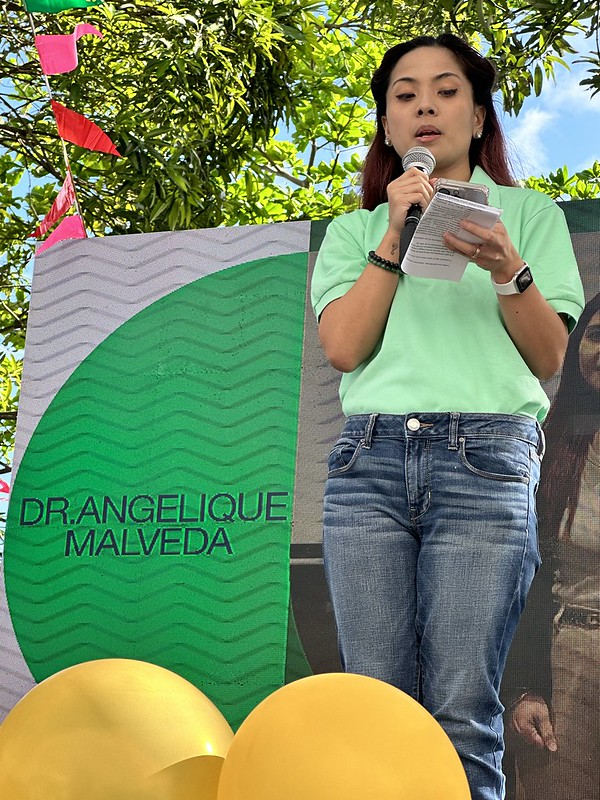
Lingap LEADS Executive Director Dr Angelique Malveda
Lingap LEADS Foundation
Lingap LEADS Marketing Director Connie Valera
Lingap LEADS Foundation
Mother Earth Foundation PH Executive Director Germaine de Runa introduces priority Social Development Goals (SDGs)
Lingap LEADS Foundation
Radyo CSR Executive Producer and Co-Anchor Max Ventura lauded the LEADS Group for its Corporate Social Responsibility (CSR) initiatives

We depend so much on Filipino farmers to keep our citizens fed while still ensuring that our natural resources are maintained and cultivated for future generations.

It’s about time that they receive – not just our support and appreciation- but also our respect in return, right?

Thank you to Lingap LEADS Foundation for inviting me to its launch event!

For more information on Lingap LEADS Foundation and how you can support its programs, follow it on Facebook, call +63 917 1546247 or email partnership@lingapleads.org.

Sun Life Foundation and WWF collaborate for sustainable Food Shed Farming

Sun Life Foundation, the philanthropic arm of Sun Life Philippines, has partnered with World Wide Fund for Nature (WWF) Philippines to establish two Food Shed Farming Enterprise projects in the province of Surigao del Norte. The collaboration aims to provide a sustainable source of food and economic resilience for low-income urban communities through food security and sustainable livelihoods.

The Food Shed Farming Enterprise projects will help secure food and livelihoods while mitigating food shortages in the community. Sustainable agriculture interventions will be used, along with the promotion of climate-resilient and sustainable production systems that minimize the impact of stresses contributing to limited food accessibility. By utilizing technology and sustainable agriculture practices, the initiative seeks to improve the resilience of the food supply chain in communities.

“With this collaboration, we hope to further improve the resiliency of the food supply of communities, especially with the threats that climate change poses to our food resources,” says Katherine Custodio, Executive Director of WWF.

Located in Del Carmen, Siargao Island, the Food Shed Farming Enterprise projects will be established in Brgy. Caub and Halian Island, benefiting 250 individuals through sustainable livelihoods and providing access to hyperlocal nutritious food for almost 2,000 locals. The projects will create economic opportunities for the locals through the promotion of sustainable farming practices, increasing their capacity to utilize technology, and providing training in climate-resilient and sustainable production systems.

“Through this collaboration with WWF, the Sun Life Foundation aims to provide food security, sustainable livelihoods, and climate-adaptive technologies for the locals of the island in an environmentally sustainable manner,” says Kristine Dianne Millete, Executive Director of the Sun Life Foundation. “It is our earnest hope that through this project, we can alleviate the effects of food shortages and help our farmers with alternative farming technologies that support food security even during times of pandemic,” Millete concluded.

The Sun Life Foundation is committed to uplifting communities, as evidenced by its other notable projects, such as the Sun Life Barangay Health Stations, which provide basic healthcare in remote areas. The partnership with WWF Philippines aligns with the Foundation’s commitment to sustainability, creating economic opportunities while also promoting environmentally sustainable practices.

Raise your kids to be sustainable diners

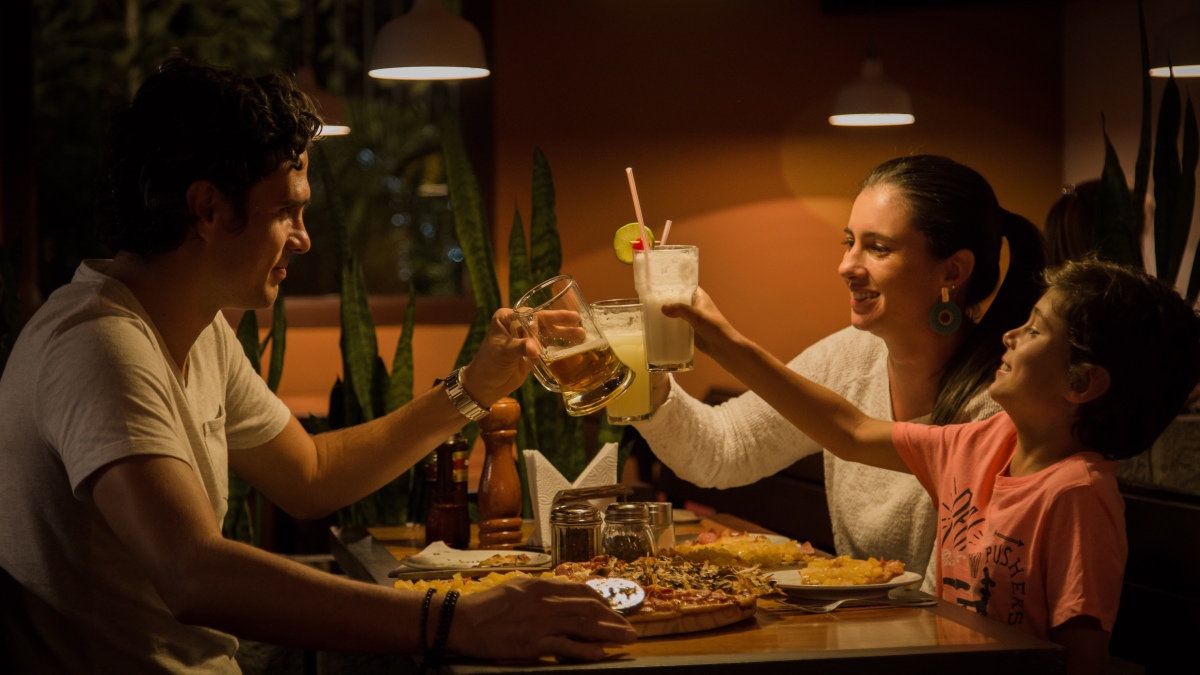
When I was a kid, I was expected to be at my best behavior especially when my family eats at a restaurant. It was the perfect opportunity for me to display that I have imbibed the “elbows off the table”, “use the proper utensils,” and “finish all the food on your plate” rules, among others.

Thanks to the recent WWF-Philippines Savour Planet workshop, The Sustainable Diner: A Key Ingredient to Sustainable Tourism, I learned that, aside from the social niceties of eating out, the younger generation should be taught to eat responsibly and sustainably as well.

For instance, did you know that food waste is actually the biggest threat to the environment today? Seventy percent of terrestrial biodiversity loss and and 69% of global freshwater use is attributable to food production and consumption. A significant portion of this concerns dealing with food waste.

With this in mind, WWF-Philippines launched its The Sustainable Diner Project, an initiative that aims to lessen food wastage and contribute to the improvement of the implementation of sustainable consumption and production processes in the foodservice sector.

The Sustainable Diner’s Savour Planet series aims to empower and educate Filipino diners, media partners, the academe, as well as fellow non-government organizations and food security projects on the importance of sustainable food systems and sustainable dining.  It released a nine-step guide for the public to follow when eating at restaurants to contribute to efforts in lessening food waste.

Being both a foodie and a mom, I reflected on how to integrate these concepts to both aspects of my life. Here’s my take on how you can apply the guide when dining out with the family:

One: Dine in sustainable restaurants often.

A sustainable restaurant is one that incorporates sustainability in its operations: from sourcing of ingredients, food preparation and service to clean up and waste disposal. Earth Kitchen Katipunan which hosted the workshop, for example, espouses the farm-to-table concept in acquiring ingredients that not only lessens the carbon footprint involved food transport but also supports local farms and indigenous communities.

Talk to your kids about these concepts and how to spot these kinds of eateries. You can also apply similar tactics employed by restaurants when packing their baons.

Two: Choose dishes made of ingredients that are in season.

In-season local produce involves far less transport from where they are grown to your plate. Restaurants that use such produce also take advantage of their plentiful supply and freshness.

Personally, I associate certain fruit flavors with seasons and I look forward to the time when I can taste them again. For example, luscious ripe mangoes are for the summer while the sweet and earthy avocados are best enjoyed during the rainy season.

When dining out with your kids, do point out which fruits are in season. This will help them see that there is a proper time for everything, and they can learn to anticipate when they can enjoy their favorite fruits again.

Three: Be adventurous! Try plant-based dishes.

When dining out, expose your kids to dishes that feature plant-based ingredients. Vegetarian-friendly eateries such as Wabi-Sabi and Pantry by Rub Rack, for example, both feature tasty meat-free dishes that kids will love.

You can even incorporate more produce in your home cooking. In case, plant-based food does not figure much in your cooking repertoire, you can always refer to cookbooks on the subject.


Four: Order only what you can finish.

Many of us have received admonishments from our parents while we were growing up to finish whatever is on our plate at mealtimes. This is actually a reminder for us to be mindful of how we consume. Finishing off our plates means less wasted food; eating our three square meal a day is a luxury considering that many in the world actually experience involuntary hunger.

When kids are at their favorite restaurants, they sometimes want to order all their favorites and resort to pester power to get their wishes. As parents, we should guide them to only order what they can consume.

Alternatively, we can also bring reusable take-home containers so you can bring leftovers home.

Five: Ask about the dish and its ingredients.

By asking the restaurants about what goes into the food they serve you as well as the livelihoods they support, you are letting them – as well as your little ones – know that these concerns are important and factors into the decision of which business you want to support.

Six: Don’t be afraid to request for modifications.

There’s really no harm in asking for minor changes in the way the food is prepared or served, especially if it doesn’t significantly impact the restaurant’s operations. Requests such as “less oil please,” or “leave out ingredients that I’m allergic to or won’t eat” will, at the very least, be considered by the restaurant staff. Making your preferences heard and addressed also teaches your children about their rights as consumers.

Seven: Bring your own reusable utensils.

Restaurants usually provide disposable plastic spoons, forks or straws. Avoid using them to lessen those being just thrown away and adding to the landfills. When possible, bring your own set that you can clean at home afterwards.


Eight: Segregate your waste properly.

If your favorite eateries are still not into waste segregation, encourage them to practice it. Waste segregation makes it easier for everyone – the restaurant owner, the waste disposal team, the government and even you as the consumer – to maximize all the resources involved in handling your food.

For example, the leftover bits of food can be composted to fertilize soil for farmers, the dry materials can be recycled while the actual waste that go to landfills are minimized.

Teaching your kids to segregate is a good way to teach them to classify things and view them according to their maximum potential use.

Nine: Educate your friends about sustainable dining.

Encourage your kids to share their sustainable dining habits to their friends by gifting their friends with reusable utensils or inviting their friends over to your place where they can see how you practice it.

Seeing your kids influence their friends for the good of the environment is quite an achievement as a parent.

Bringing up kids who are environmentally aware and practice sustainable dining not only helps in environmental conservation but also imparts values and behaviors to them that will stand them in good stead as they take their place in society.

For more details about WWF-Philippines and its initiatives, visit wwf.org.ph.

This post contains affiliate links.

Check out my posts related to conservation and the environment:

Header image by Pablo Merchan Montes on Unsplash