Raise your kids to be sustainable diners

When I was a kid, I was expected to be at my best behavior especially when my family eats at a restaurant. It was the perfect opportunity for me to display that I have imbibed the “elbows off the table”, “use the proper utensils,” and “finish all the food on your plate” rules, among others.

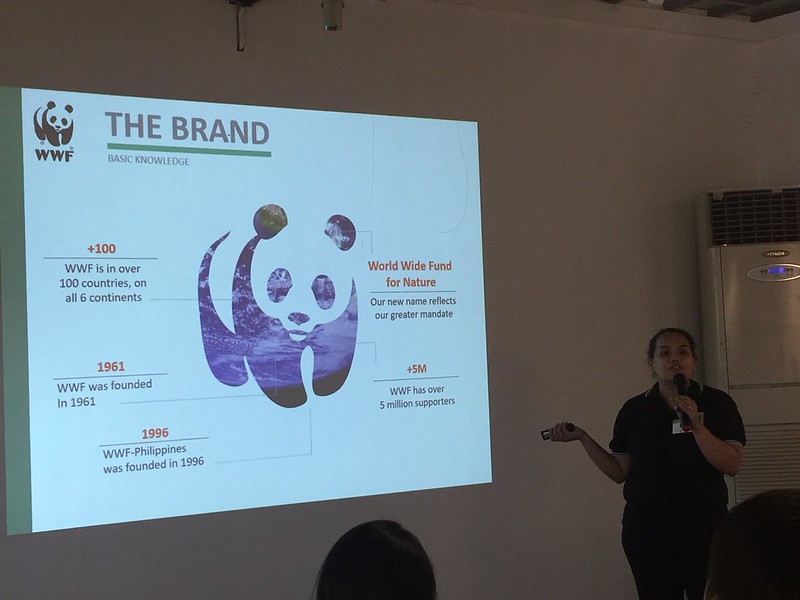
Thanks to the recent WWF-Philippines Savour Planet workshop, The Sustainable Diner: A Key Ingredient to Sustainable Tourism, I learned that, aside from the social niceties of eating out, the younger generation should be taught to eat responsibly and sustainably as well.

For instance, did you know that food waste is actually the biggest threat to the environment today? Seventy percent of terrestrial biodiversity loss and and 69% of global freshwater use is attributable to food production and consumption. A significant portion of this concerns dealing with food waste.

With this in mind, WWF-Philippines launched its The Sustainable Diner Project, an initiative that aims to lessen food wastage and contribute to the improvement of the implementation of sustainable consumption and production processes in the foodservice sector.

The Sustainable Diner’s Savour Planet series aims to empower and educate Filipino diners, media partners, the academe, as well as fellow non-government organizations and food security projects on the importance of sustainable food systems and sustainable dining.  It released a nine-step guide for the public to follow when eating at restaurants to contribute to efforts in lessening food waste.

Being both a foodie and a mom, I reflected on how to integrate these concepts to both aspects of my life. Here’s my take on how you can apply the guide when dining out with the family:

One: Dine in sustainable restaurants often.

A sustainable restaurant is one that incorporates sustainability in its operations: from sourcing of ingredients, food preparation and service to clean up and waste disposal. Earth Kitchen Katipunan which hosted the workshop, for example, espouses the farm-to-table concept in acquiring ingredients that not only lessens the carbon footprint involved food transport but also supports local farms and indigenous communities.

Talk to your kids about these concepts and how to spot these kinds of eateries. You can also apply similar tactics employed by restaurants when packing their baons.

Two: Choose dishes made of ingredients that are in season.

In-season local produce involves far less transport from where they are grown to your plate. Restaurants that use such produce also take advantage of their plentiful supply and freshness.

Personally, I associate certain fruit flavors with seasons and I look forward to the time when I can taste them again. For example, luscious ripe mangoes are for the summer while the sweet and earthy avocados are best enjoyed during the rainy season.

When dining out with your kids, do point out which fruits are in season. This will help them see that there is a proper time for everything, and they can learn to anticipate when they can enjoy their favorite fruits again.

Three: Be adventurous! Try plant-based dishes.

When dining out, expose your kids to dishes that feature plant-based ingredients. Vegetarian-friendly eateries such as Wabi-Sabi and Pantry by Rub Rack, for example, both feature tasty meat-free dishes that kids will love.

You can even incorporate more produce in your home cooking. In case, plant-based food does not figure much in your cooking repertoire, you can always refer to cookbooks on the subject.


Four: Order only what you can finish.

Many of us have received admonishments from our parents while we were growing up to finish whatever is on our plate at mealtimes. This is actually a reminder for us to be mindful of how we consume. Finishing off our plates means less wasted food; eating our three square meal a day is a luxury considering that many in the world actually experience involuntary hunger.

When kids are at their favorite restaurants, they sometimes want to order all their favorites and resort to pester power to get their wishes. As parents, we should guide them to only order what they can consume.

Alternatively, we can also bring reusable take-home containers so you can bring leftovers home.

Five: Ask about the dish and its ingredients.

By asking the restaurants about what goes into the food they serve you as well as the livelihoods they support, you are letting them – as well as your little ones – know that these concerns are important and factors into the decision of which business you want to support.

Six: Don’t be afraid to request for modifications.

There’s really no harm in asking for minor changes in the way the food is prepared or served, especially if it doesn’t significantly impact the restaurant’s operations. Requests such as “less oil please,” or “leave out ingredients that I’m allergic to or won’t eat” will, at the very least, be considered by the restaurant staff. Making your preferences heard and addressed also teaches your children about their rights as consumers.

Seven: Bring your own reusable utensils.

Restaurants usually provide disposable plastic spoons, forks or straws. Avoid using them to lessen those being just thrown away and adding to the landfills. When possible, bring your own set that you can clean at home afterwards.


Eight: Segregate your waste properly.

If your favorite eateries are still not into waste segregation, encourage them to practice it. Waste segregation makes it easier for everyone – the restaurant owner, the waste disposal team, the government and even you as the consumer – to maximize all the resources involved in handling your food.

For example, the leftover bits of food can be composted to fertilize soil for farmers, the dry materials can be recycled while the actual waste that go to landfills are minimized.

Teaching your kids to segregate is a good way to teach them to classify things and view them according to their maximum potential use.

Nine: Educate your friends about sustainable dining.

Encourage your kids to share their sustainable dining habits to their friends by gifting their friends with reusable utensils or inviting their friends over to your place where they can see how you practice it.

Seeing your kids influence their friends for the good of the environment is quite an achievement as a parent.

Bringing up kids who are environmentally aware and practice sustainable dining not only helps in environmental conservation but also imparts values and behaviors to them that will stand them in good stead as they take their place in society.

For more details about WWF-Philippines and its initiatives, visit wwf.org.ph.

This post contains affiliate links.

Check out my posts related to conservation and the environment:

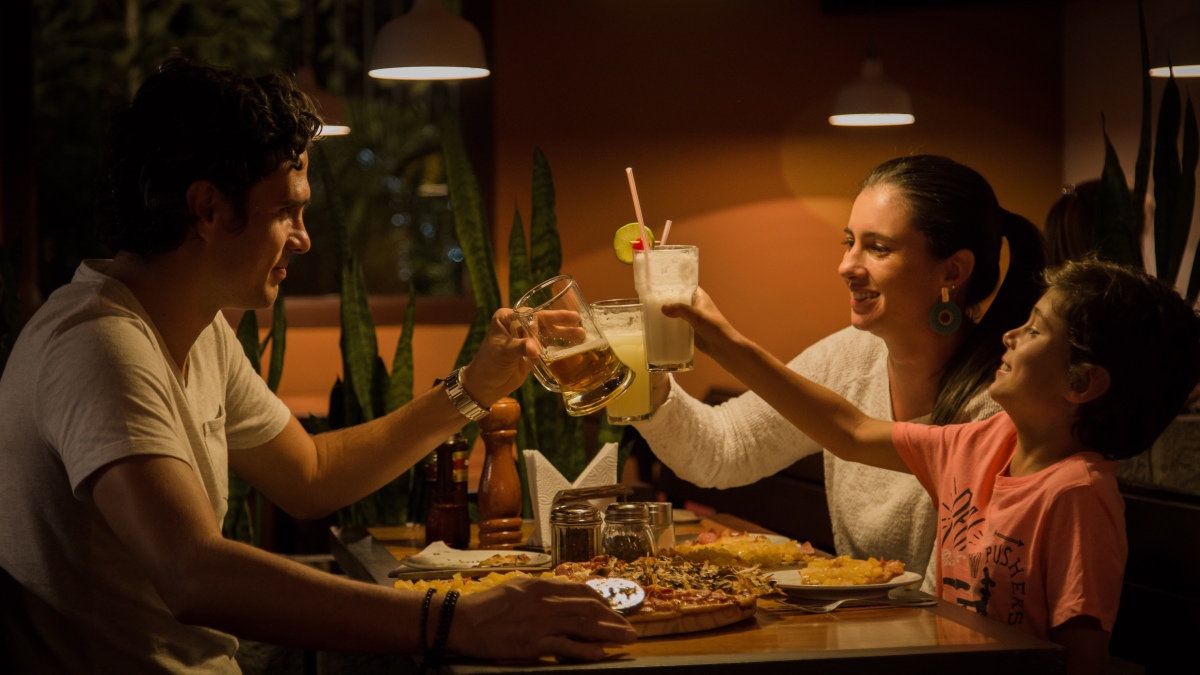
Header image by Pablo Merchan Montes on Unsplash

No place for food waste! WWF-Philippines kicks off Savour Planet 2019 with a new theme

Together with Earth Kitchen Katipunan, Rise Against Hunger Philippines, Solu, and Greenspace, World Wide Fund for Nature (WWF) Philippines launched the new theme for the media trip series’ second year in Quezon City last March 16, 2019.

2.4 million Filipino families experienced involuntary hunger at least once in the past three months. Only 1 out of 3 Filipino households are considered food secure. In 2016, 6.8% of Filipino households experienced not having any food at home.

These sobering statistics give us a glimpse of the reality that families are facing when it comes to the major hunger issue we are experiencing in the Philippines. And yet, it has been estimated that each Filipino still wastes an average of 3.29 kg of rice per year, which, when totaled, would be enough to feed 4.3 million Filipinos.

There is clearly a gap between the amount of food we are able to produce as a country and the amount of food made available for our citizens to consume. That gap is actually the amount of food that we knowingly or unknowingly waste.

“Food waste is the biggest threat to nature today. When 70% of terrestrial biodiversity loss and when 69% of global freshwater use is attributed to food consumption and production, knowing about food waste is not enough. We must do something. We must create sustainable food systems for the survival of both Filipinos today and tomorrow”.

Zero Food Waste, WWF-Philippines

With that call to action, Melody Melo-Rijk, WWF’s Project Manager for Sustainable Consumption and Production in the Philippines, welcomed participants from Quezon City to the launch of the Savour Planet workshop’s new theme – No Place for Waste.

Recognizing the importance of educating Filipino diners on various ways of how they can help lessen food waste, WWF-Philippines, through its pioneer project on sustainable consumption and production, The Sustainable Diner: A Key Ingredient for Sustainable Tourism, has launched the 2019 run of its flagship media trip series at Earth Kitchen Katipunan – a restaurant dedicated to supporting local farmers and indigenous communities through the promotion of the farm-to-table concept. As the project’s flagship series, Savour Planet aims to empower and educate Filipino diners, partners from the media, the academe, as well as fellow non-government organizations and food security projects on the importance of sustainable food systems and sustainable dining. While last year’s theme, Cooking with a Purpose, focused on establishing an intimate connection between diners and the food that they eat through cooking, the new theme aspires to take that connection further by empowering diners to explore different avenues by which they can help keep the food on their plates from being wasted.

“All over the world, 1/3 of the food produced never reaches our plates every single year. Food waste is never okay. We have to instill this in the minds of our consumers because it is morally and socially unacceptable for us to waste food”,’ says Melo-Rijk, who opened the workshop by giving a brief introduction of The Sustainable Diner project and the context as to why the project was conceptualized in the first place. “When we talk about restaurants, food waste would also mean wasting money. There are hidden costs to food waste, some of which include labor cost, energy cost, disposal cost, and other added costs related to biodegradable waste management.”

To illustrate the gravity of the manner by which we waste food, Melo-Rijk brought to attention a source of food waste which most people usually contribute to without fully knowing its implications: ugly produce. The term “ugly produce” refers to produce that are misshapen, undersized, discolored, bruised, or in possession of unusual spots. These kinds of produce are usually ignored by the market, who would opt to go for “perfect-looking” items believing that they would taste better and would contain more nutrients than their bruised and battered counterparts. Melo-Rijk was quick to dispel this common perception. “When it comes to fresh produce, the ugly is just as good as the pretty in terms of taste and nutrition. Food safety is not based on outside appearances – for as long as the inside is not compromised, these food items should be safe to eat”,’ says Melo-Rijk. “Certain studies even promote that ugly produce can sometimes be more nutritious because most of them are organically farmed, with no alterations in terms of the nutrients that they contain. When we buy ugly produce, we help prevent food waste.”

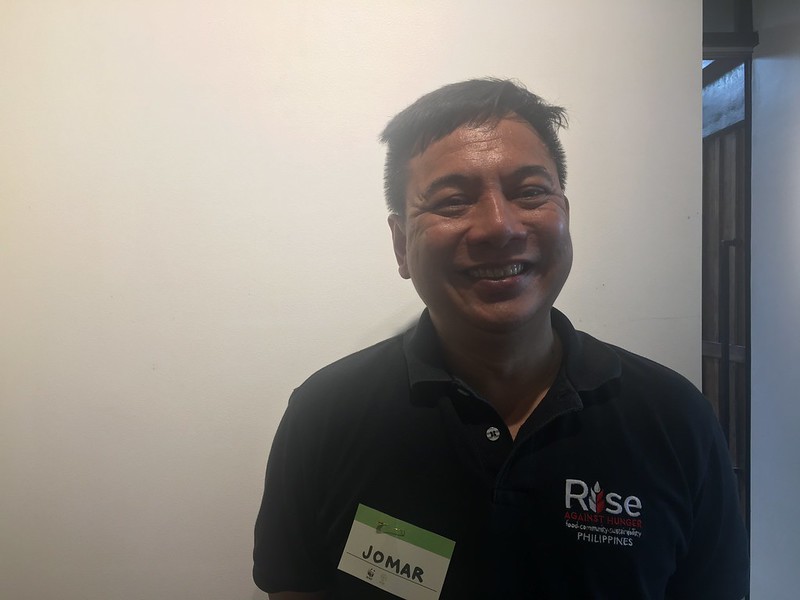
Jomar Fleras, the Executive Director of Rise Against Hunger Philippines, then talked about the hunger situation in the Philippines, with an emphasis on the role of food banks in both the alleviation of hunger and the rescuing of food that would otherwise be thrown away. He opened to the participants the option of food donation as a viable means of decreasing instances of food waste in their daily lives and contributing to the greater goal of sustainable development. “To those who are familiar with the Sustainable Development Goals, we know that at the very core of these goals is the capability to ensure food security at the household level. When it comes to SGD 2, which is Zero Hunger, there is absolutely no compromise. There are no reduction targets, plain as day, we need to end global hunger”,’ says Fleras. “With existing policy frameworks in the Philippines that encourage the donation of food for charitable purposes, food banking becomes a vital platform to the attainment of SGD 2 and the prevention of further food waste. With Rise Against Hunger Philippines and the Good Food Grocer, our mission is to provide nutritious and safe food to nutritionally at-risk individuals and families.”

Zero Food Waste, WWF-Philippines

Aside from donating food to avoid food waste, there is also much talk about the ways in which we manage our waste. Waste management is becoming a big problem, especially in developing countries like the Philippines where consumption in various forms, including food, has risen tremendously. Proper waste segregation can prove to be instrumental in salvaging food from our landfills, especially when 52.31% of our solid waste consists of biodegradables, which includes food waste and garden waste. This is where Solu comes in, and their Lead Strategist, Pang Delgra, made a great case on why our waste management systems need to innovate to keep up with the times. “The current waste management system is broken. People want to segregate, but they know the effort is futile when everything is just being brought to the same landfill anyway”,’ says Delgra.
“As a platform that connects all market participants and incentivizes citizens to sell their segregated waste materials, Solu enables Filipinos to make money from their waste and to help the environment through sustainable waste disposal”.

Zero Food Waste, WWF-Philippines

The micro-talks ended with a presentation on bokashi composting, led by Rina Papio, Founder of Greenspace by introducing the participants to the concept of bioremediation, or the use of biological organisms to break down environmental pollutants and solve environmental problems, Rina was able to paint a clear picture on how microorganisms can turn food waste into nutrient-rich compost that will help keep our soils healthy. “Bokashi composting is a great way for individuals to divert food waste away from our landfills. With the help of beneficial microorganisms, we can turn food waste into healthy soil and keep it from polluting the Earth”,’ says Papio. “With bokashi composting, anyone can create their own green space in just four easy steps. Just collect your food waste and layer it with bokashi bran, tightly seal your bokashi bucket to allow for anaerobic fermentation, mix your fermented food waste with soil, and then after four weeks, you will already be able to use the compost you made in your garden.” During the actual demonstration, the participants gamely participated in the afternoon bokashi workshop, where they learned first-hand how they can help regenerate the soil and even grow their own food using repurposed food waste in the form of bokashi compost. Afterwards, The Sustainable Diner team surprised the participants with a giveaway of 5 bokashi composting kits. The lucky winners will use these kits to start off and write about their composting journey.

Zero Food Waste, WWF-Philippines

By emphasizing to Filipino diners the need to reduce food waste and by introducing them to different food waste reduction and diversion techniques and platforms, WWF-Philippines hopes to foster a greater consciousness when it comes to addressing the effects of business-as-usual food consumption and production patterns. Sustainable dining is not just about the food that we are about to consume in the moment, but also about the food that we will leave behind. With innovation, ingenuity, and inspiration, it is possible to prove that here in the Philippines, there really is just no excuse nor place for food waste.

Zero Food Waste, WWF-Philippines

About WWF:

WWF is one of the world’s largest and most respected independent conservation organizations, with over 5 million supporters and a global network active in over 100 countries. WWF’s mission is to stop the degradation of the Earth’s natural environment and to build a future in which humans live in harmony with nature, by conserving the world’s biological diversity, ensuring that the use of renewable natural resources is sustainable, and promoting the reduction of pollution and wasteful consumption.

WWF-Philippines has been successfully implementing various conservation projects to help protect some of the most biologically-significant ecosystems in Asia since its establishment as the 26th national organization of the WWF network in 1997.

About SCP and The Sustainable Diner:

The Sustainable Diner project of WWF-Philippines aims to contribute to improving the
implementation of sustainable consumption and production (SCP) and lessening food wastage in the country. WWF-Philippines wants to engage the government, food service businesses, and consumers so they will support sustainable dining practices and help make the Philippines’ food service industry more environmentally friendly.

The Sustainable Diner project, under Sustainable Consumption and Production, is part of the International Climate Initiative (IKI). The Federal Ministry for the Environment, Nature Conservation, and Nuclear Safety (BMU) supports this initiative on the basis of a decision adopted by the German Bundestag.

For more details about WWF-Philippines and its initiatives, visit wwf.org.ph.

Details provided by WWF-Philippines in a recent press release.

Check out my posts related to conservation and the environment: