

Ever since I started going through my #RamenPhase three years ago, Mendokoro Ramenba has been the gold standard that longtime ramen connoisseurs have been encouraging me to try.
One foodie, in fact, advised me to withhold my judgement on where to find the best ramen until I have tasted what Mendokoro has to offer. What kept me from checking this resto out were news of the long waiting lines and the relative inaccessibility of its original branch in Makati to me.
Soon, I heard news that it opened a new branch in Bonifacio Global City and I eagerly waited for my chance to join the club of ramen aficionados whose tastebuds have experienced the sheer joy of Mendokoro’s ramen bowls.
Well, just the other day, I finally got the chance to taste two of its ramen offerings.
And I must say: I can totally understand the hype.
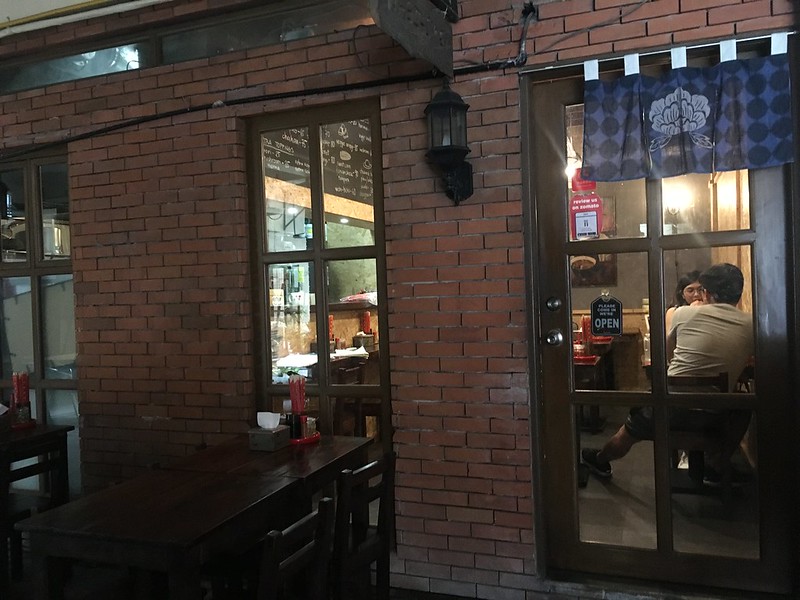
Mendokoro translates to “shared table” in Nihongo. In keeping with this concept, and consistent with its earlier branch in Makati, this resto features a bar-style seating arrangement. Patrons first order and pay for their food at the cashier, then they are ushered to their seats along the bar which can seat up to forty-five people. The ramen bowls and other food items are assembled in the open kitchen right smack in the middle of the bar and are served as soon as they are done.
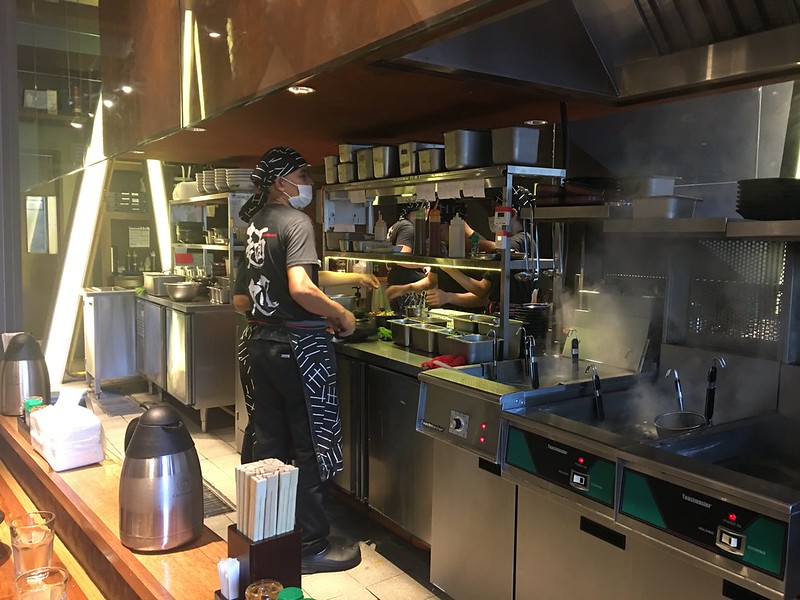
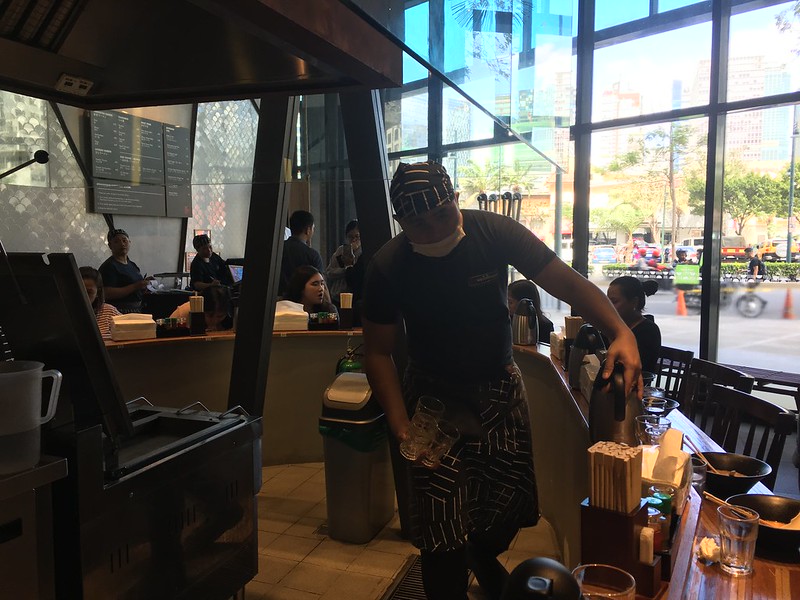
After a meeting in a nearby building, my officemates and I, all newbies to Mendokoro Ramenba, decided to head on over to Icon Plaza and get a taste of the resto’s much-vaunted ramen bowls.
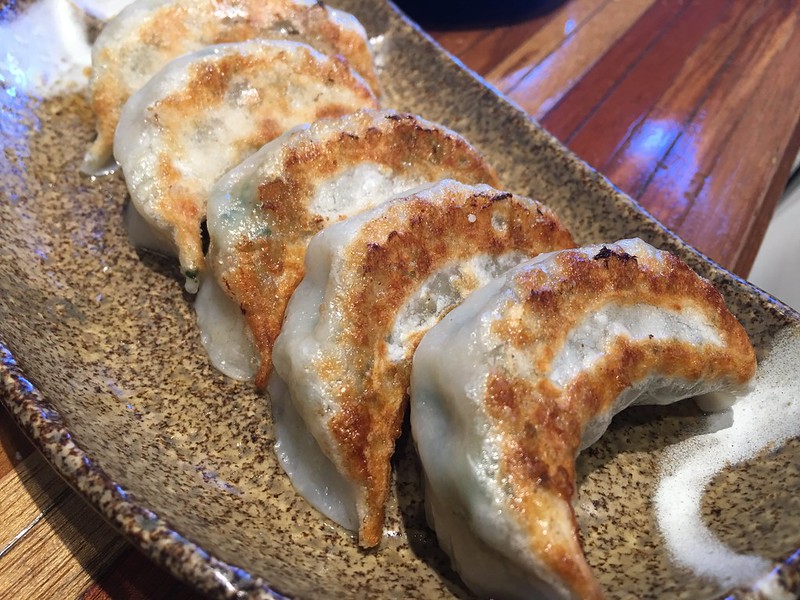
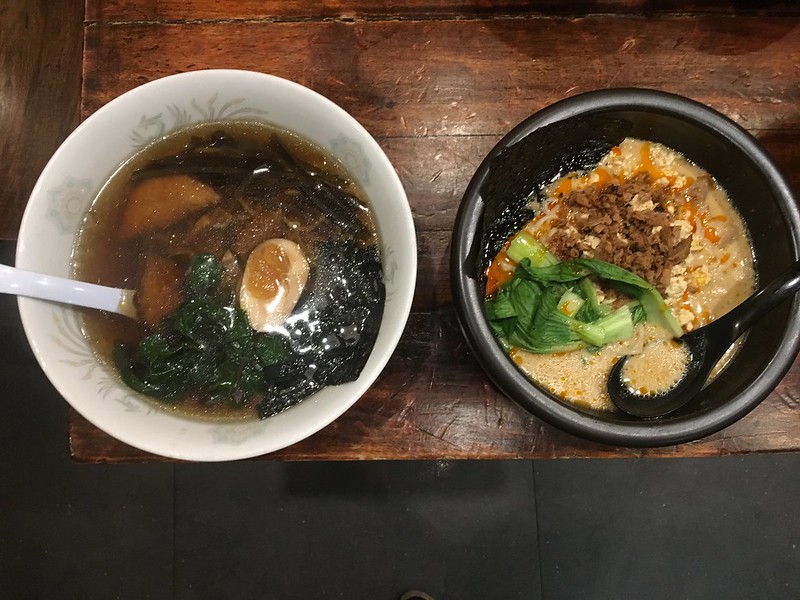
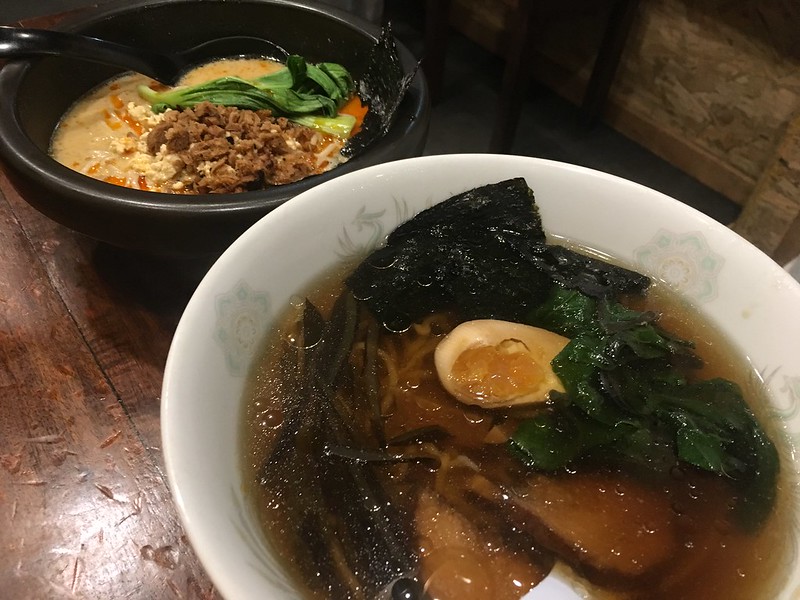
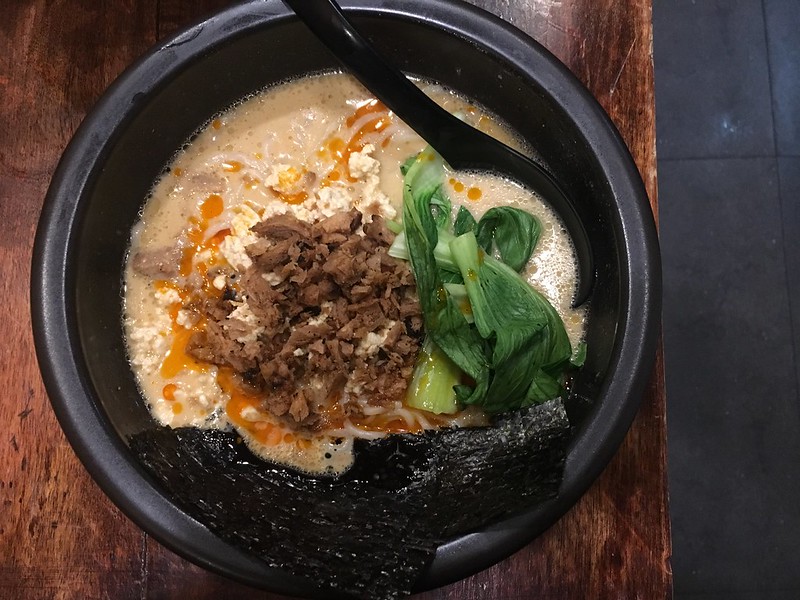
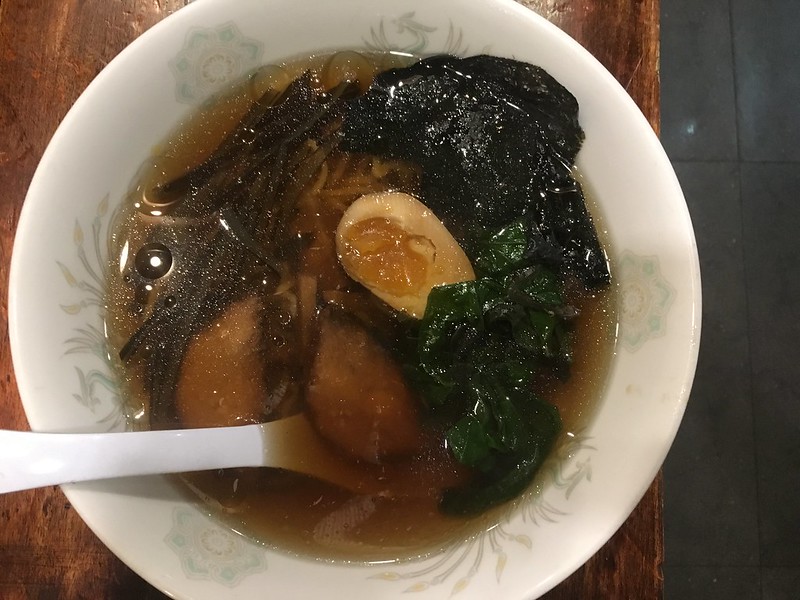
We split among ourselves the Shio Tonkotsu (Php370) and Tantanmen (Php420) bowls of the resto’s ramen offerings, two orders of Aji Tamago (Php80/order) and five pieces of Gyoza (Php200) which served as our appetizer.
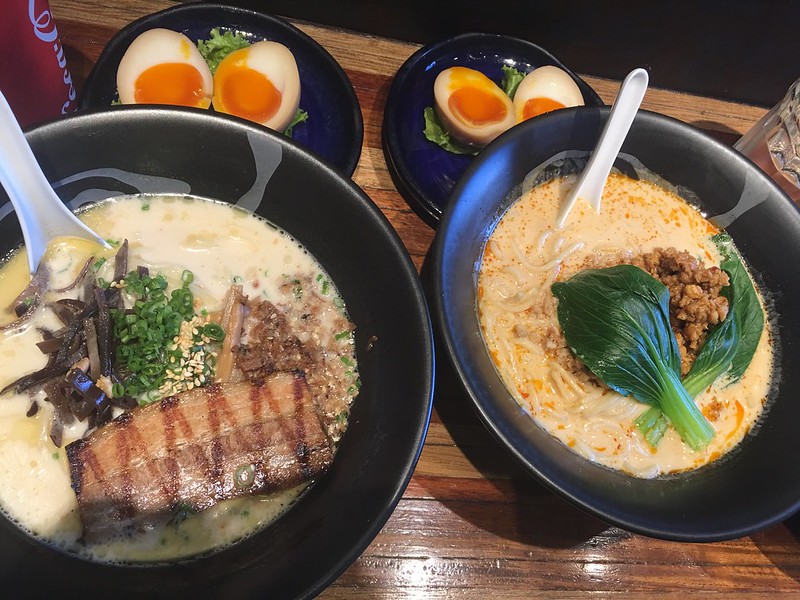
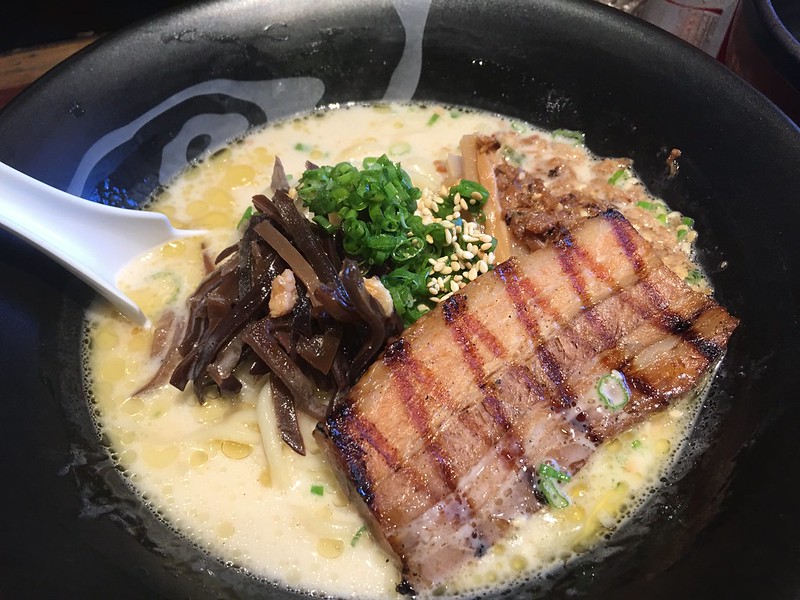
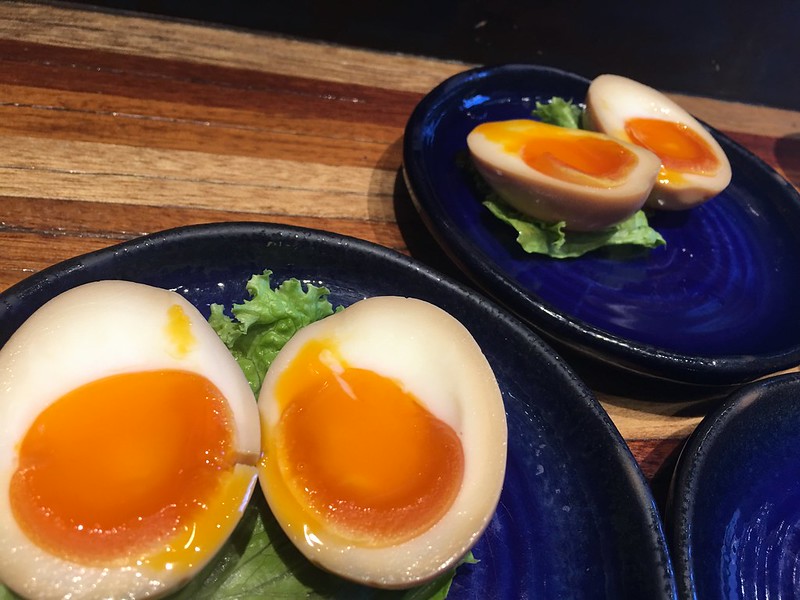
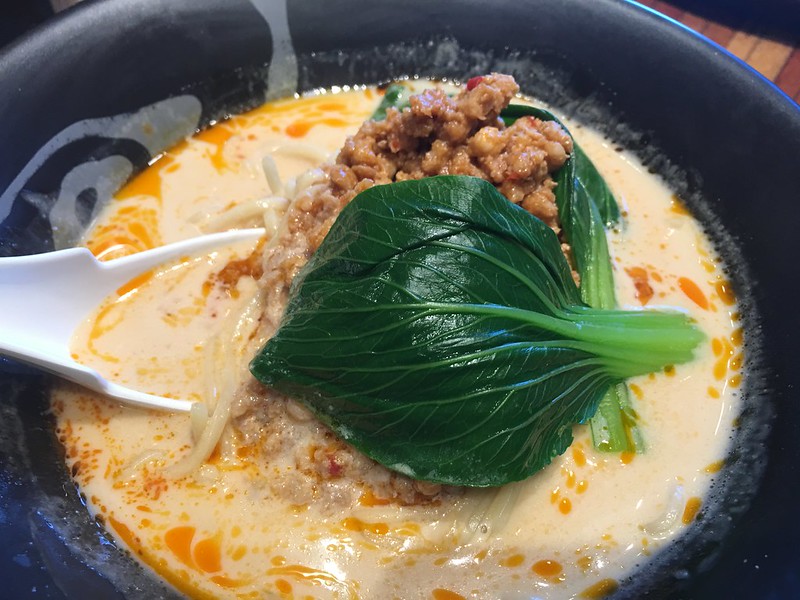
Tonkotsu ramen are notable for the sheer amount of effort and time needed to properly prepare these dishes. The broth is made by boiling pork bones (“tonkotsu” in Nihongo) and other ingredients in water for up to eight hours, until it takes on a rich, cloudy appearance. Tonkotsu ramen are normally served with noodles that are still slightly firm, then topped with chashu, a slice or marinated pork belly. I prefer the salt-flavored shio ramen over the other options of miso and soy sauces-flavored shoyu ramen; fortunately, my companions agreed with my choice. We added the tamagos – marinated soft-boiled eggs – to our bowls for added richness.
Tantanmen, on the other hand, is the Japanese take on the Sichuan dish Dan Dan Noodles. In this delectable bowl of ramen, the noodles are engulfed with a rich, mildly spicy (we requested that the spiciness level be dialed down) broth, flavored with the nutty sweetness of from the sesame paste.
Each mouthful was a delight and we soon found ourselves slurping our bowls clean. Now I can hardly wait until I can come back to sample the other ramen options available here.
This Mendokoro Ramenba branch is located at Icon Plaza, 26th Street, Bonifacio Global City, Taguig, open daily from 11am to midnight. For reservations and inquiries, call +63 2 8514844.
Its other branch is located at V. Corporate Center, Soliman Street, Salcedo Village, Makati City. It is open daily from 11am to 12 midnight and assists inquiries and reservations via +63 2 4789625.


 Jellybeans in the City