Vaya Tyffyn: The first and last lunchbox you will ever need

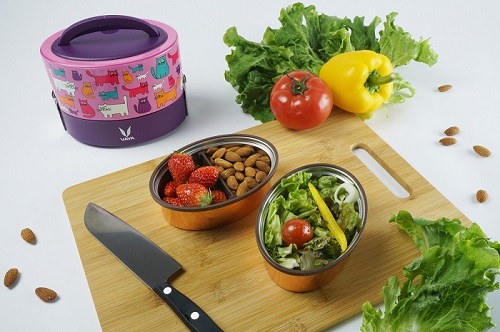
Get ready to change the way you eat lunch each and every day with the Vaya Tyffyn lunchboxes! Now available in the Philippines, the Vaya Tyffyn was designed by a team of highly seasoned professionals all across the globe. Vaya seeks to improve the way people take food on the go with a product that is stylish, durable, and travel-friendly.

Lunchboxes as a Way of Life for All Generations

In the Philippines, the lunchbox brings up memories of childhood and meals that end up cold and runny; edible, but not quite as satisfying as it could be. At its worst, the food inside can spoil before consumption.

The practice of carrying a lunchbox often continues into adulthood, with many taking a packed lunch to work in order to enjoy a healthier and fresher meal. Yet, despite the efforts at re-heating food, lunches never taste as fresh as it should be.

A Lunchbox Full of Innovation

Enter: the Vaya Tyffyn. The design defies the conventional approach to pre-packed meals by providing consumers with the option to pack a multi-course meal every day instead of the typical combination of
rice and a main dish.

Vaya Tyffyn is a truly unique lunchbox with key features such as:

  • A collapsible handle
  • Vaya’s proprietary Vacutherm Insulation technology that keeps your food hot or cold for 6 hours
  • A sleek, stainless steel body that easily fits in your bag
  • Leak-resistant lids with integrated gaskets
  • Partitions that can carry more than one dish in each container
  • Heat-protective finger grips
  • Replaceable copper-finished, polished-stainless steel containers
  • Stainless steel pressurizing latches

The Vaya Tyffyn comes in three different sizes for all appetites; 600ml (two containers), 1,000ml (three containers), 1,300ml (four containers).

A New Approach to Meal Prep

Whether it’s a quick lunch at the office or a day-trip with your friends, the Vaya Tyffyn is sure to become a staple in your life. Safe, sleek, and sustainable, the Tyffyn ensures your food stays fresh and warm; ready to enjoy at your own convenience. Experience a new and exciting world of freshness with Vaya.

The Vaya Tyffyn is now available online at vayalife.com.

About Vaya

Vaya is the coming together of seasoned professionals from across the globe, driven by a visionary zeal to significantly improve people’s lives. The company intends to bring an emotional component in everyday life through the concept of total user experience: a combination of innovative, carefully designed, high-quality products, and smart, useful, friendly services. Vaya actively markets and sells its products in the Philippines and 15 other countries.

Five ways Saltitude, Anilao will make your next beach vacay your best ever

Urban life is not a piece of cake for us city slickers, is it? Hectic schedules and those infernal traffic jams do take a toll on our dispositions, and sometimes, even on our physical health.

Sometimes, don’t you just wish you could hie off somewhere, hibernate for a while and luxuriate in peace and quiet? Or how about taking a break from being a desk warrior and be out in the sun, getting your muscles in motion doing something fun? How about spending time with the people you love away from the stresses of city life and luxuriate in a seafront haven?

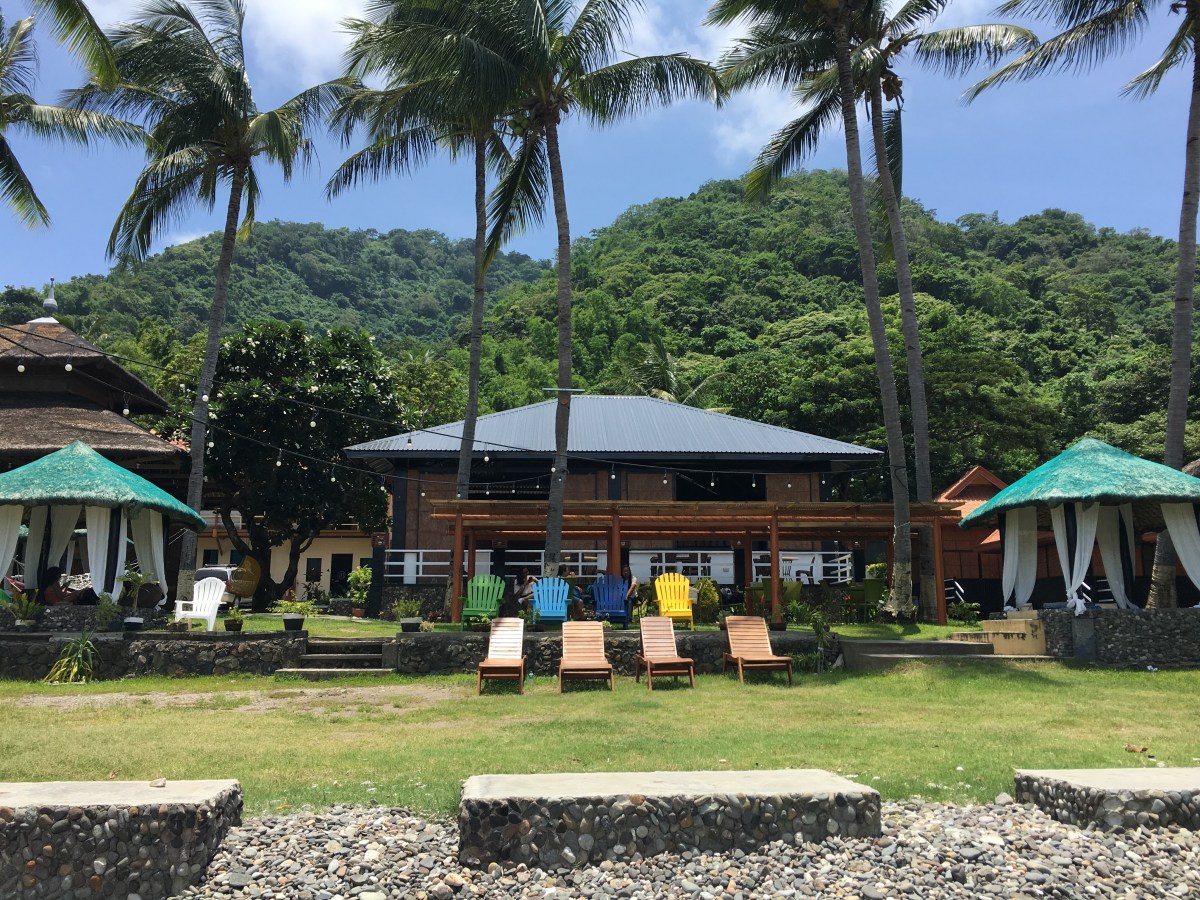
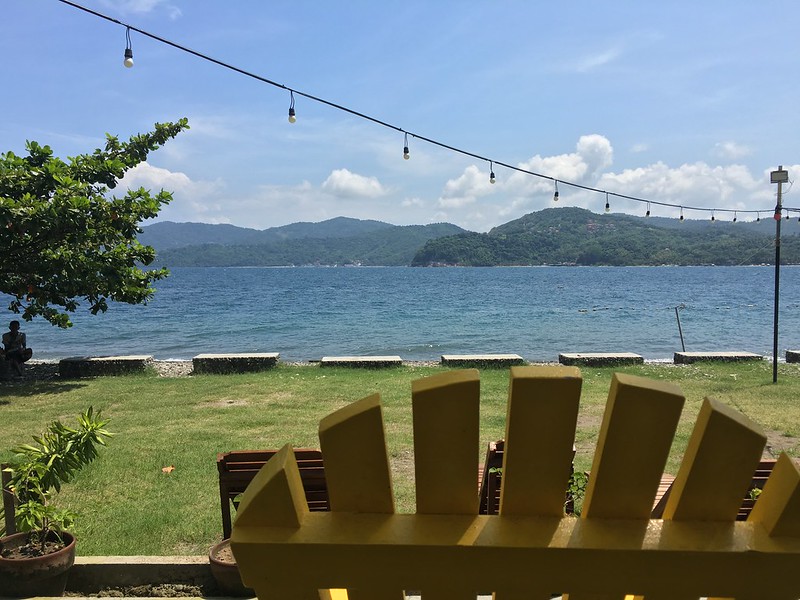
Well, guess what: you can do all these and more at Saltitude Dive & Beach Resort, one of the trendiest vacay spots to enter the Anilao beach scene.

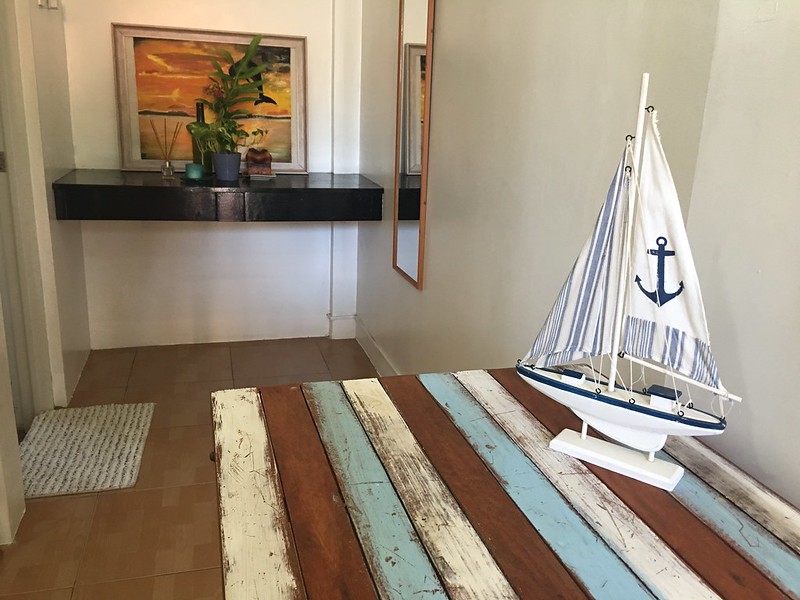
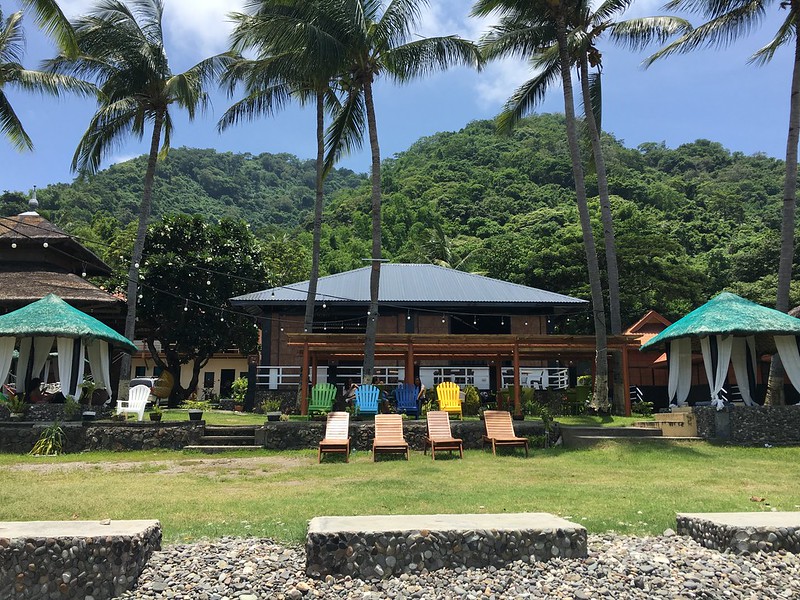
Saltitude Environment

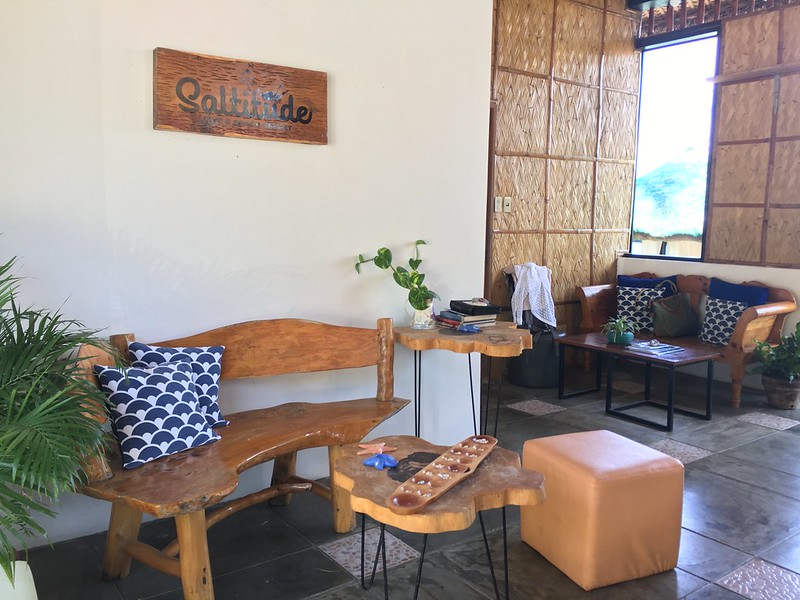
Saltitude Environment

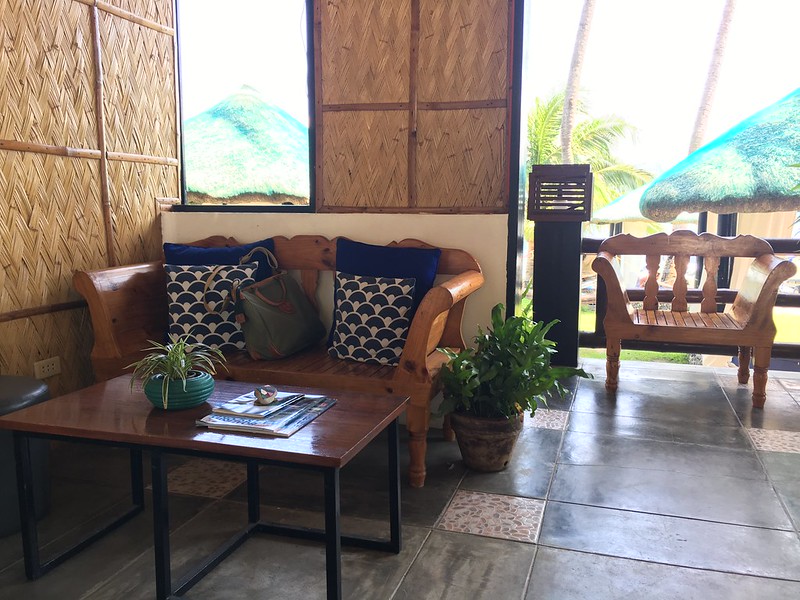
Saltitude Environment

Spend your beach vacation at Saltitude and you’ll be bringing home not just a great tan but also a lot of great memories. How? Well, let me count the ways:

One: Whimsically decorated rooms get you in your vacay groove.

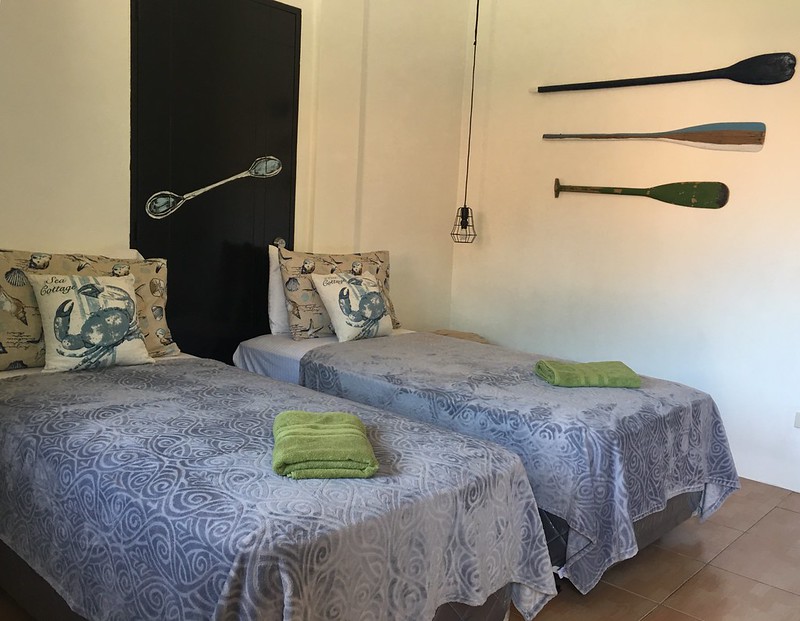
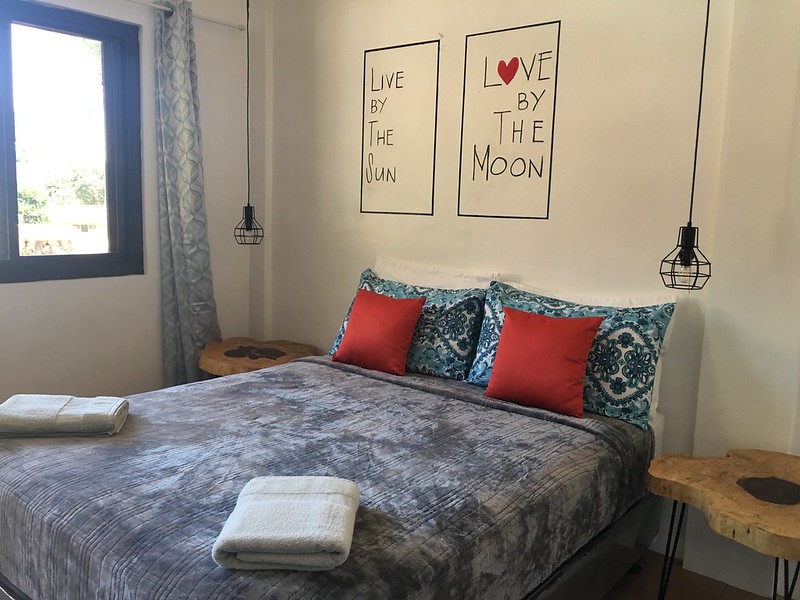
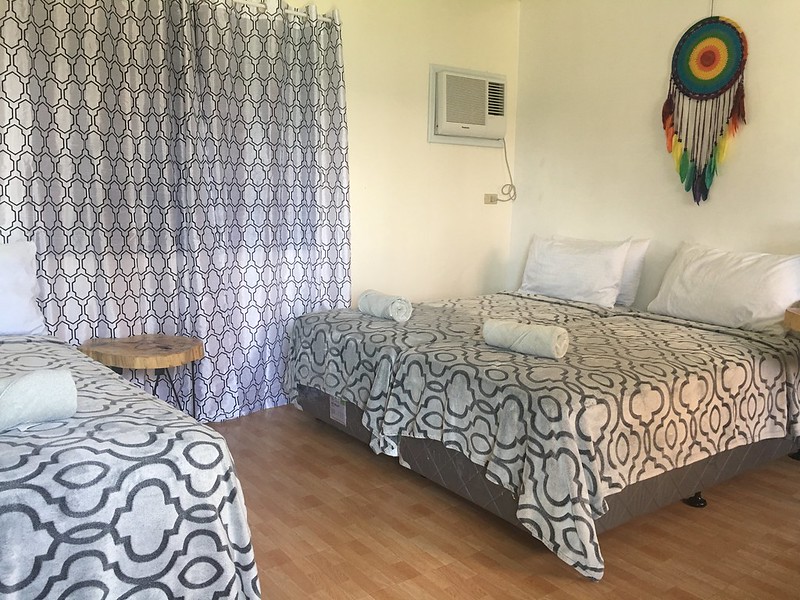
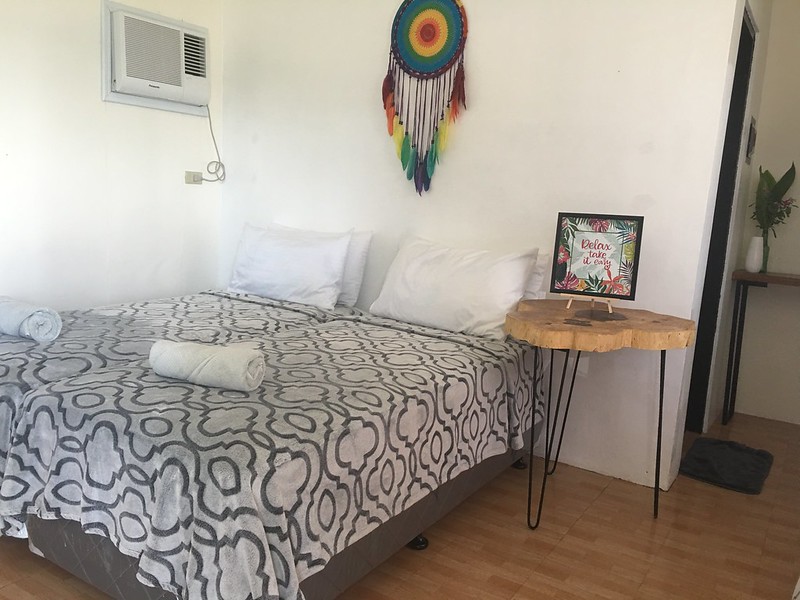
Each of Saltitude’s fully air-conditioned rooms is named, furnished and decorated according to the things you can do at the beach in or out of the water. The beddings, curtains and unique DIY tchotchkes are all in keeping with the room’s theme. Each door and some of the wall art are also hand-painted by the owners.

Check them out:

Twin-sharing rooms perfect for intimate trips of couples or BFFs.

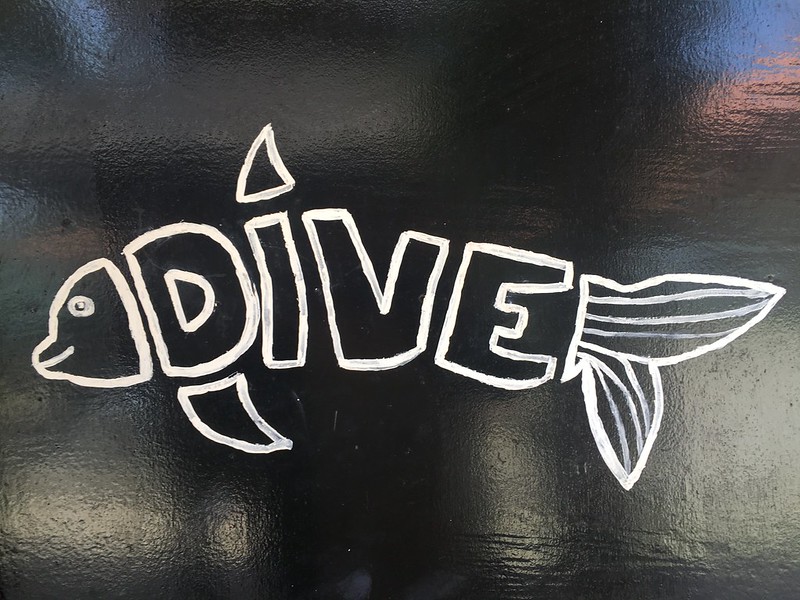
Dive.

Saltitude Doors

Saltitude Dive Room

Snorkle.

Saltitude Doors

Saltitude Snorkel

Kayak.

Saltitude Doors

Saltitude Kayak

Fall in Love.

Saltitude Doors

Saltitude Fall in Love

Saltitude Tchotchkes

Talk.

Saltitude Doors

Saltitude Talk

Triple-sharing rooms or huts well-suited for a small family or group.

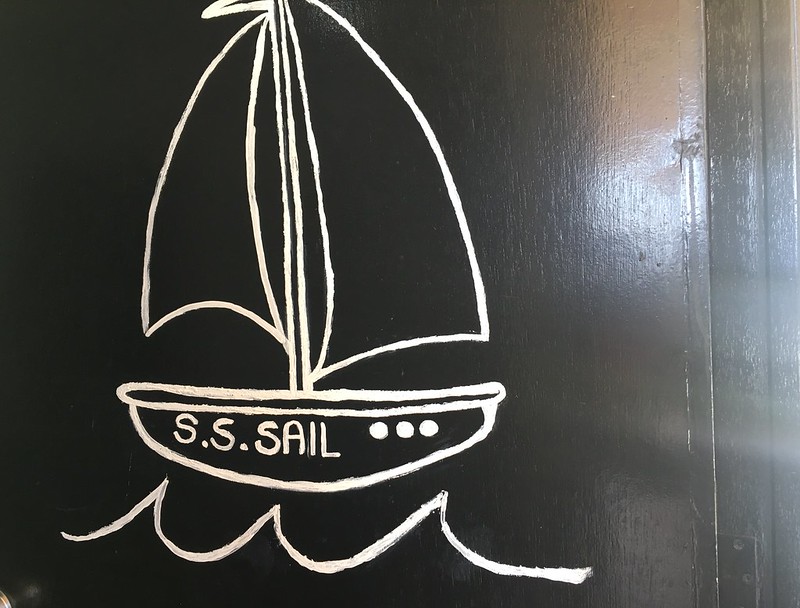
Sail.

Saltitude Doors

Saltitude Sail

Saltitude Tchotchkes

Chill.

Saltitude Doors

Saltitude Chill

Saltitude Chill

Saltitude Tchotchkes

Sun-bathe.

Saltitude Doors

Saltitude Sun-bathe

And a family room that can accommodate a larger number of guests.

Party.

Saltitude Doors

Saltitude Party

Saltitude Party

Saltitude Party

Two: A whole gamut of outdoor activities lets you make the most of the sun and waves

Co-owners Malou Esparrago and Jake Calangi are both dive enthusiasts and they let their guest take full advantage of their diving expertise and the resort’s proximity to some of Anilao’s best dive sites.

In fact, newbie divers can get their PADI, RAID or SSI diving certification at the resort through Saltitude’s experienced diving instructors.

Other activities that can be enjoyed while staying at Saltitude include swimming, snorkeling, windsurfing and even trekking to nearby Mount Gulugod Baboy.

Read more details on the outdoor adventures you can have at Saltitude here.

Three: Tasty dishes and delish dining events are sure to satisfy your food cravings

Who would have thought that going to the beach will also present you an opportunity to indulge your inner foodie?

Saltitude’s restaurant aptly named bar and restaurant Mingle serves up appetizing meals using fresh and local ingredients, bar chows and even Saltitude’s very own signature cocktails.

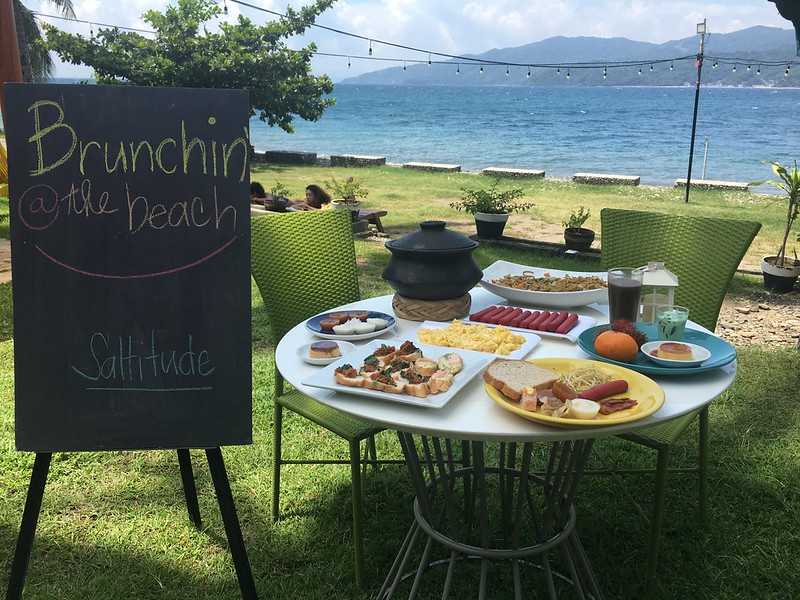
The resort recently launched Brunchin’ at the Beach, a brunch buffet held every Saturday from 6am to 12.30pm where diners can enjoy a sumptuous and well-curated spread of dishes in line with a weekly theme cuisine, all while enjoying the cool and relaxing vibe of the Saltitude’s beach and premises.

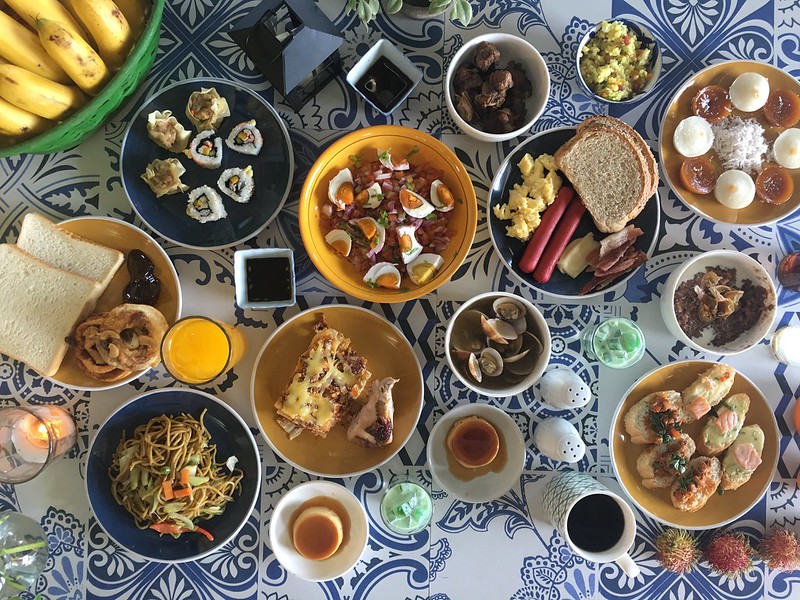
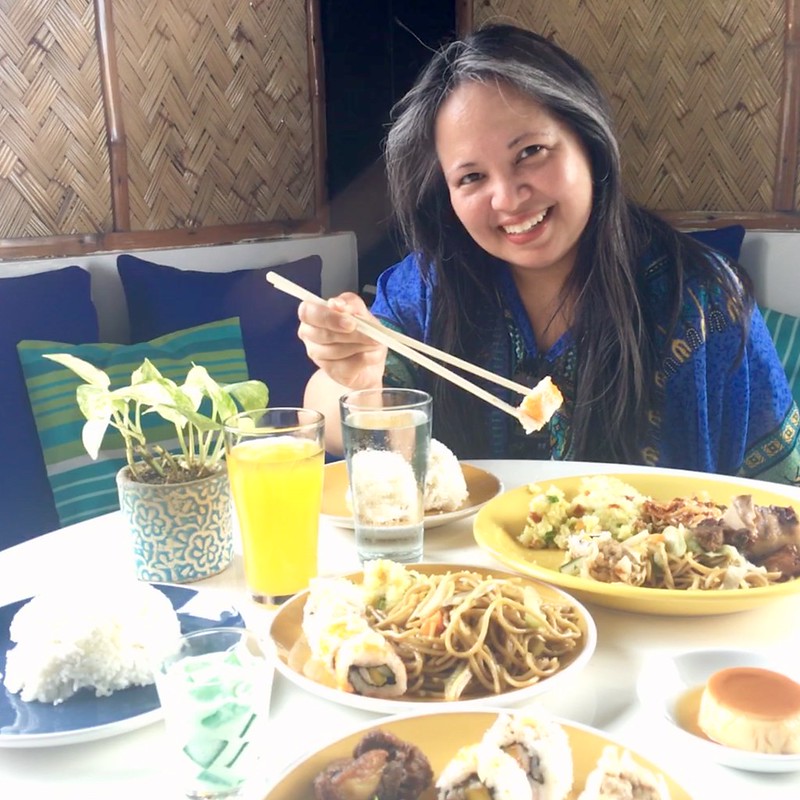
Saltitude Brunchin’ at the Beach

Saltitude Brunchin’ at the Beach

Saltitude Brunchin’ at the Beach

Read more about Brunchin’ at the Beach here.

During summer, Saltitude holds beach barbecues every Saturday night so guest can all come together to enjoy freshly grilled meats and seafood, as well as the cool sea breezes.

Guests with special diets have no need to worry. Just indicate your dietary restrictions when you book your room and the resort will find ways to accommodate you.

Four: It gives you lots of opportunities to rest, relax and re-charge

Who says you have to have a jam-packed itinerary while at the beach?

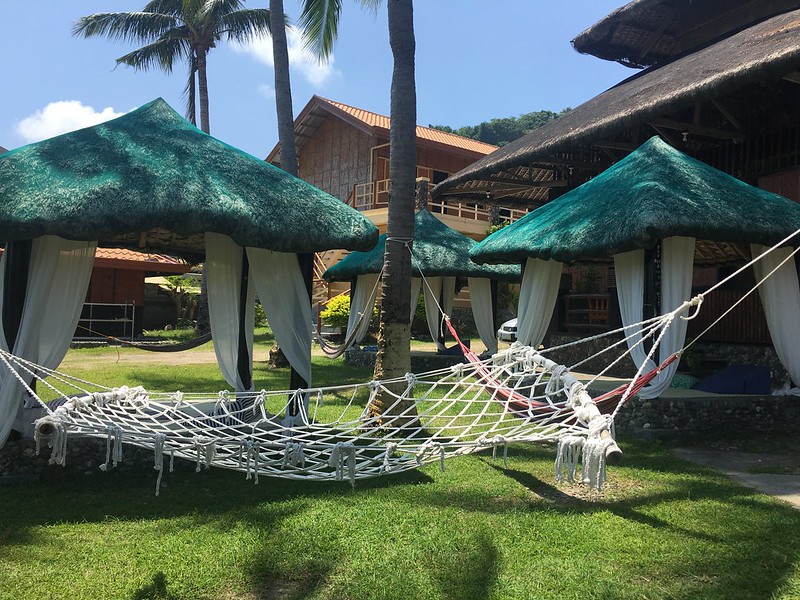
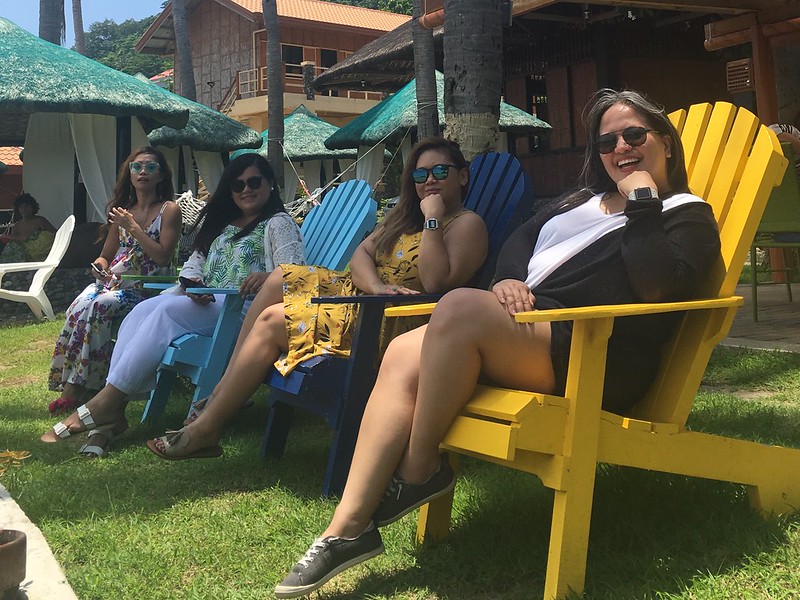
Make the most of this escape from the stresses of city life by enjoying the scenic views or reading your favorite book while relaxing Saltitude’s beachfront loungechairs, cabanas or hammocks.

Saltitude Relax

Saltitude Relax

Saltitude Relax

Saltitude Relax

Saltitude Relax

Saltitude Relax

Saltitude Relax

Saltitude Relax

Take this time to pamper yourself by booking a session with the resort’s accredited massage therapists.

Saltitude Relax

Saltitude Relax

Consider your stay here your “me time,” and return to your city life fully refreshed, recharged and raring to face the challenges ahead.

Five: It takes its environmental footprint seriously.

Environmentally conscious guests can rest easy as Saltitude also champions environmental causes. It avoids the use of disposable plastic in its operations while also incorporating reclaimed wood and recycled items in its decor.

On September 21, it will host a beach cleanup activity where participants can help in cleaning up a portion the local coastline and divesites while also taking part in environmental lectures and mingling with like-minded guests.

At Saltitude, your beach vacation can be so much more than just some time spent away from the city. It can also be an adventure that stirs your spirit or a balm that soothes your soul.

Saltitude Dive & Beach Resort is located along Manini Road in Mabini, Batangas. To book your stay or reserve a table at the restaurant, call +63 43 4101857, +63 927 4220428 or +63 939 9088843, or email info@saltitude-anilao.com. For more details, check out its website.

Zilingo teams up with Philippine National Bank to make shopping easier and more rewarding

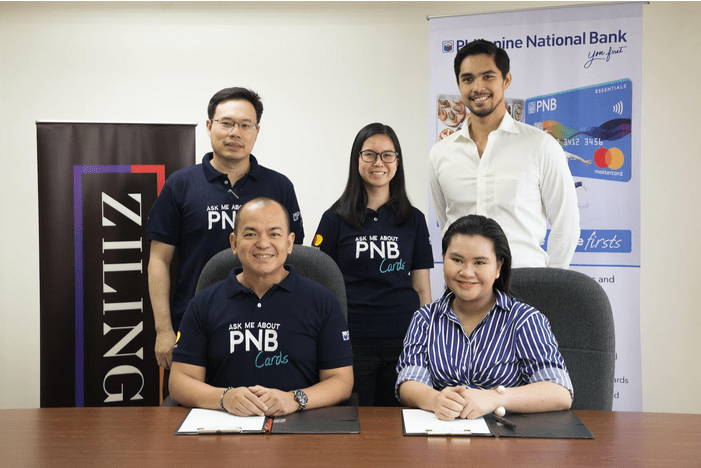
Zilingo, the leading e-commerce platform for fashion and lifestyle today announced its partnership with Philippine National Bank (PNB) to make online shopping easier and more rewarding for customers. Fashion enthusiasts across the country can now enjoy a site-wide discount of up to 30% when they make purchases on the website or through the mobile app using their PNB credit and debit cards.

“We are very excited to be partnering up with PNB,” says Ryza Dipatuan-Razo, Marketing Director, Zilingo Philippines. “Alongside offering our customers epic discounts and freebies, this also represents a step forward in strengthening the e-commerce industry in the country through partnerships with institutions like PNB to elevate the user experience of our local customers.”

Recognizing the continuous growth and potential of the online retail market and the need to constantly provide its customers with new and exciting options, Zilingo aims to provide a unique shopping experience to its customers and enable brands to expand their reach to customers across the region.

“PNB recognizes that Zilingo, as a fashion and lifestyle e-commerce, is a unique channel that complements existing businesses that link customers to merchants and vice versa. Through this partnership, we not only incentivize the customers of Zilingo and PNB, but also expand the profitability and reach of Zilingo merchants,” says Johann Gan, Philippine National Bank, Senior Assistant Vice President.

Zilingo customers who are using PNB cards can enjoy this exclusive deal from now till September 30 2019 using the promo code ZILINGOPNB, with free delivery nationwide, no minimum purchase, and multiple payment methods including cash-on-delivery.

Zilingo is a commerce platform that is making the fashion and beauty supply chain more efficient through technology. With over 33,000 merchants on the platform Zilingo connects businesses across the entire supply chain and empowers them with everything they need to run a business – from design, product development, fabric procurement, manufacturing, cataloguing, marketing, inventory management, distribution, billing, customer service, working capital & trend forecasting. With over two million product listings on Zilingo.com, users can effortlessly shop from a selection of indie labels, local designers, international and celebrity brands – all in one place. Founded by Ankiti Bose and Dhruv Kapoor in 2015, the company has offices in 8 cities globally with over 500 staff representing 20 different nationalities.

Zilingo is available for download for free on the App Store and Google Play across Singapore, Indonesia, Philippines, and Thailand.

For more information, please visit www.zilingo.com

Horrific journey into madness at Asylum Manila

Opened in 1939, the Asylum was a premier psychiatric medical institution for the criminally insane. The worst and most violent of psychiatric patients were brought here for treatment and seclusion.

Dr. Vanicutt, a renowned psychiatrist from Pennysylvania, heads the asylum. When his wife died from a mysterious accident, the doctor sank into madness: tormenting and conducting grotesque experiments on the patients.

During the Japanese occupation, the Asylum was mistaken for an abandoned building and a garrison of soldiers was stationed there. They ended up going insane and slaughtering each other.

From then on, the Asylum has been abandoned. The poor souls who wandered there were never heard from again.

Now in 2019, the doors are open again, welcoming new patients while the many unthinkable events that took place in the Asylum are still waiting to be uncovered.

That’s the premise of Asylum Manila, the newest horror attraction in the metro. It is a massive walk-through of dark attractions with sinister live actors, jump scares straight out of horror movies and Hollywood-caliber special effects.

Asylum Manila

Asylum Manila

Asylum Manila

You and your gang (who will, hopefully, stand with you no matter what terrors you encounter inside) will enter the Asylum as its newest patients. Two creepy nurses will check your vitals (making sure that you have no pre-existing medical conditions that will make you unable to complete your journey), then they will reveal the Asylum’s sordid history before ushering you into the house of horrors.

Inside, you will be chased up, down and around by crazed orderlies, chainsaw murderers, cannibalistic undertakers and mutilated patients. You will even encounter characters straight from horror movies such as Annabelle and the Nun from The Conjuring series and Pennywise the Clown from It.

Asylum Manila

Asylum Manila

Asylum Manila

Asylum Manila

Asylum Manila

Asylum Manila

By the end of your 45-minute journey through winding pathways, moving floors and walls, flashing lights and creepy music, you will have experienced thrills and chills that will leave your adrenaline pumpin’ and your knees shakin’.

My friends from #SaanSaPH and I got a sneak peek of Asylum Manila’s attractions the day before it opened to the public and and let me say that the experience was one of the most fun, albeit scary, times we’ve all had together.

Asylum Manila

Asylum Manila

Tickets go on sale starting June 20, priced at Php699 Mondays to Thursdays, and at Php799 Fridays to Sundays. VIP tickets priced at Php1,200 are also available giving holders priority in queue. To buy online, visit AsylumManila.com.

Asylum Manila is located at 1148 E. Rodriguez Sr. Avenue, New Manila, Quezon City (in front of Christ the King Mission), open from 4pm to 12 midnight. For inquiries or reservations, call +63 945 3007408, +63 945 3007404, +63 947 4612808 or +63 947 4612807.

Some reminders:

  • The attractions are not recommended for children under 12 years old or for persons with known and pre-existing medical conditions such as pregnancy, breathing/heart/psychological/joint/muscle conditions or any conditions made worse by physical exertion.
  • Wear comfortable clothes (no heels) and don’t bring backpacks or bags
  • No taking of photos or filming inside the attractions except in the assigned areas.

Thanks to Zarrah of TheBandWagonChic.com for extending the invitations!

Tips for Shopping at Woodburn Premium Outlets, Oregon

I’m not much of a shopper, probably because I’m inherently frugal and I get depressed when I can’t immediately find stuff in my size.

That aversion to shopping didn’t apply when my family and I dropped by the Woodburn Premium Outlets in Woodburn, Oregon on our drive back to Washington State from California during our US vacation.

Oregon Outlet Shopping

Oregon currently enjoys a 0% sales tax statewide, a blessed trait it shares with only four other states: Alaska, Delaware, Montana and New Hampshire.

Little wonder, then, that Oregon is one of the US’ prime shopping destinations.

Woodburn Premium Outlets, in particular, is conveniently located off Interstate 5 between Portland and Salem. It is the largest tax-free outlet mall in the western part of the US, with over 100 stores which include premium brands such as Adidas, American Eagle Outfitters, Ann Taylor, Calvin Klein, Coach, Cole Haan, Forever 21, Michael Kors, Nike, and more. Aside from the 0% sales tax, shoppers can enjoy additional discounts from clearance sales and in-store promos. Shopaholics and even us frugal shoppers will definitely find great deals and savings here.

Oregon Outlet Shopping

As with most destinations and especially if you’re a budget traveller like me, it’s best to have a plan when shopping at Woodburn Premium Outlets. Here are some tips that served our family well in maximizing our Oregon shopping opportunity.

One: Do your homework.

Check out Woodburn Premium Outlets website – www.premiumoutlets.com – to scope out available merchandise and ongoing promos. You can also consult the site for a map of the outlets as well as dining options within the mall.

Two: Arrive early.

The fam discovered that it’s actually best to arrive as soon as the mall opens. The items are freshly and neatly arranged in their racks or shelves and you can easily spot and check out on limited-stock items.

Also, you will have more time to check in with your family and friends from back home on their bilins. Take advantage of the free Wi-fi in most stores to send your nears-and-dears pictures of their requested item in the store before you buy it for them.

Three: Divide and conquer.

One hundred plus stores are a lot to cover. So split up: those with kids can go straight to Disney Outlet Store or Osh Kosh B’gosh; those shopping for clothes can head on to Calvin Klein, Forever 21 or American Eagle Outfitters; the ones on the lookout for bags and shoes can look no farther than Naturalizer or Coach; while those looking for housewares can hie off to Corelle. This way, your group can cover more ground in less time.

Four: Dress comfortably.

With over 380,000 square feet of retail space to cover, you might want to make sure to wear comfortable shoes.

Plus, expect to do a lot of fittings so wear something you can fit clothes over or can easily be taken off in the fitting room.

Five: Be on the lookout for in-store deals.

The 0% sales tax already affords you with great savings but guess what, you can take advantage of in-store promos (such as buy one, get one at 50% off, etc.) for additional discounts of up to 65% off.

Don’t forget to scour the clearance racks! I scored a couple of hard-to-look-for boot-cut jeans at American Eagle Outfitters for USD19.99 (Php1,053) which would have cost me close to Php2,000 back home. And to think I was originally looking at a pair of jeans priced at USD59!

Also, upon checkout, the cashier may ask you for your email address or US phone number in exchange for additional discounts. I’m generally with this as I already have an email address dedicated to sales promotions.

Oregon Outlet Shopping

Woodburn Premium Outlets is located at 1001 Arney Road, Woodburn, OR 97071-8447, open Mondays to Saturdays from 10am to 9pm and Sundays from 10am to 7pm. Special mall hours may apply during holidays.

For more details, visit its website.

Enjoying the wind, waves and wildlife at Cannon Beach, OR

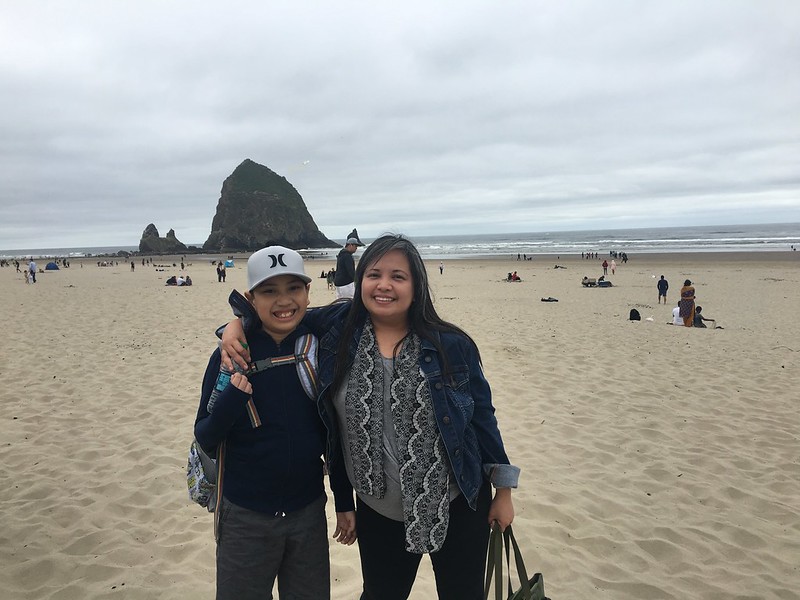
The weekend before the fam’s epic road trip to San Francisco, my bro took us to see the beauty of the Oregon Coast, particularly the Cannon Beach area.

It is nearly four miles of publicly accessible fine-sand beaches with a huge rock formation called Haystack Rock rising out 235 feet from the shore’s edge. It was formed 17 millions years ago by the same lava flows that created many of the headlands and rock formations that make up the Oregon Coast. We were fortunate that it was easily accessible during our visit due to low tide.

Cannon Beach, OR

Haystack Rock is actually a National Wildlife Refuge where visitors can observe tidepools teeming with marine life. Tidepool creatures such as soft-bodied anemones, tidepool fishes and sea slugs are interesting to look at but are extremely fragile and may be senstive to exposure to air and sun. Visitors are advised to refrain from touching or moving the creatures they encounter in the tidepools.

How do you catch sight of these creatures? Here are some tips from the locals:

  • Be patient. You may need to take some time to see them.
  • Be still. Crabs, small fish, snails and see slugs nestled under rocks and seaweed may not be immediately visible.
  • Be careful. Walk on the sand or bare rock to avoid stepping on and harming living creatures like barnacles and mussels.

Haystack Rock is also an active nesting spot for many seabirds. Tufted puffins, in particular, are easily observable from spring to summer.

During quieter seasons, herds of Roosevelt Elk are sometimes known to emerge from the thick forests to graze along the coastal meadows, while Gray Whales make their annual migration.

Cannon Beach, OR

The wide expanse of sand also makes a great venue for jogging, walking with dogs, or just hanging out with family or friends.

Cannon Beach, OR
Cannon Beach, OR
Cannon Beach, OR

Well, our group certainly took advantage of the photo opps that the place afforded!

Cannon Beach, OR
Cannon Beach, OR
Cannon Beach, OR

Interested in visiting? Here are other attractions nearby that you may want to include in your itinerary:

  • Ecola State Park. It boasts of easy walking paths, hiking trails and picnic areas, brrathtaking views of the historic Tillamook Rock Lighthouse and vantage areas for bird- and whale-watching.
  • Arcadia Beach. Located two miles south of Cannon Beach, it offers beach access to Lion Rock and beach walks to Hug Point to the south and Silver Point to the north.
  • Oswald West State Park. Stretching four miles along a temperate rainforest, this affords visitors with a picturesque secluded sandy beach and hiking trails that lead to awesome views of the Pacific Ocean.

For more details or help in planning your visit to Cannon Beach, visit CannonBeach.org.

What to teach kids about traveling

Traveling is a rewarding activity for many of us. Going to unfamiliar places broadens our horizons by exposing us to novel experiences, diverse cultures and to new friends.

It can be more so for kids; taking them on out adventures into the wider world affords us opportunities to teach them lessons that will prove valuable to them in the future, not just when they venture out on their own trips, but as they go through their daily life.

Here are some of the lessons that you can impart to your kids as you go on the road.

One: How to travel light.

There is a limit to what you can take with you as you move from one place to another. Whether it depends on what your body can carry or the luggage capacity of your means of transportation, this limit forces you to prioritize which of your possessions will be of most use to you as you travel.

You will need to guide your little ones as they pick and choose items for the trip such as clothes that are easy to clean, those that don’t take up much space in your luggage and their essential toiletries.

Two: How to keep themselves entertained.

Not every moment you spend traveling will be exciting or interesting. You can expect downtimes when you can either rest or find a way to occupy your time.

The little ones may get antsy or bored during long wait periods or while in transit. So it would be wise to plan ahead with them on how they can keep themselves entertained while still packing light. They will need to leave behind their bulky game consoles in favor of easy-to-carry books, a pack of cards, and, with your permission of course, mobile electronics.

Traveling Kid

You can also take the opportunity to point out the sceneries you’re passing through or fill them in on the places where you’re going to drum up their excitement or spike their interest.

Three: How to discover on their own.

Some kids are adventurous by nature. They will want to strike out on their own. Nurture this inclination by helping them identify interesting places where they can safely venture out by themselves such as parks or play areas, with you keeping yourself easily accessible to them should they need you.

Of course, you will need to equip for their quest. Teach them to read maps and road signs, agree on places where they can meet up with you and point out places they can go to in case they need help.

Traveling Kid

Four: How to keep themselves safe.

Foremost among our concerns as parents is the safety of our kids. When traveling, little ones should be instructed to always stay near or within your sight, to be wary of strangers and to keep your contact details handy so that they can ask someone to get in touch with you should you get separated.

Five: How to stay on budget.

A big consideration in traveling is, of course, our budget. There may be times when the things you want to buy or the activities you want to experience may be beyond your means. Usually, you prioritize those that are more affordable or you limit yourself to those that are essential to your travel experience.

Similarly, you need to help your kids understand that they won’t be able to buy all their hearts’ desires during the trip. You can negotiate with them on which purchases you can afford that they can still enjoy.

Six: How to be good guests.

Remember, no matter which place you visit, you are basically visitors there. You and the kiddies should therefore behave as good guests. Aside from being polite to the people that you meet, you would also need to brush up on the basics of local customs so as not to offend anyone.

Traveling Kid

Furthermore, it is important to respect the local environment by following their conservation laws and cleanliness practices. As the famous quote among travellers goes:

Leave nothing but footprints.

Take nothing but pictures.

Kill nothing but time.

Seven: How to be thankful.

Not everyone has the means and opportunity to travel. It is therefore important for the kids to realize and appreciate the fact that they are able to.

For me, the best way to be thankful for opportunities such as these is to make the most of them in terms of learning and enjoyment.

Planning a trip with the kiddies any time soon? Do share your tips for traveling with kids.

Francine Rivers’ Lineage of Grace: five novellas of women-centered Biblical stories

The Bible is littered with the stories of men: pioneering patriarchs, brave warriors, noble kings, visionary prophets and more. These characters, with their virtues and flaws, have shaped Biblical history and provided anchors for the Christian faith.

But what about the women?

Most women in the Bible play supporting roles in the Bible narratives – as the wife, mother or sister of great men, the source of support or the catalyst for great acts.

In Lineage of Grace: Five Stories of Unlikely Women Who Changed Eternity by Francine Rivers, however, Biblical women took active roles in shaping their destinies. In doing so, they also helped mold the story of God and His people.

The book consists of five novellas which narrates the life and struggles of five women in the Bible.

These are:

Tamar, a woman of hope, who married into Judah’s family and was left a childless widow by two of his sons. She secures her future and place in his family through underhanded but ultimately justifiable means.

Rahab, a woman of faith, who was forced into harlotry and espionage but saw her opportunity to turn her life around when Israelite spies sought refuge in her inn in Jericho.

Ruth, a woman of love, who, though a Moabite woman, bravely accompanied her widowed mother-in-law Naomi back to Israel to forge a new life for themselves.

Bathsheba, a woman who received unlimited grace, who had to contend with the consequences of spending a night in King David’s bed, managed to secure not just her legacy but the future of the kingdom.

Mary, a woman of obedience, who, despite her youth and uncertainty, accepted the enormous task set upon her by God and thus, secured the salvation of mankind.

The stories of these women are familiar, but are told in new perspectives and with fresh insights. Despite acting with or espousing Old World values, their characters and situations are still relatable.

My favorite among the stories is that of Tamar. The biblical story is not that well-known and the two lead characters – Tamar and Judah – are not held in a good light based on the biblical narrative. However, by providing context to their thoughts and action – Tamar’s need to belong and Judah’s guilt over his betrayal of his brother Joseph – the characters are made sympathetic, redeemable and worth rooting for.

Francine Rivers, the author of Lineage of Grace, is a renowned author of Christian Fiction. Her other works include:

Redeeming Love. A retelling of the love story between the prostitute Gomer and the prophet Hosea set amidst the California Gold Rush.

Sons of Encouragement. The stories of the lesser-known men behind the celebrated heroes of the Bible who served as guides and support, and quietly helped to shape the faith.

The Mark of the Lion. A trilogy set in ancient Rome that explores the travails of Hadassah, a young Christian slave girl, and Marcus, the Roman aristocrat who falls in love with her.

For more details or to buy any of these books on Amazon.com, simply click on the titles.

Check out my other blog posts on my favorite books:

This post contains affiliate links.

Raise your kids to be sustainable diners

When I was a kid, I was expected to be at my best behavior especially when my family eats at a restaurant. It was the perfect opportunity for me to display that I have imbibed the “elbows off the table”, “use the proper utensils,” and “finish all the food on your plate” rules, among others.

Thanks to the recent WWF-Philippines Savour Planet workshop, The Sustainable Diner: A Key Ingredient to Sustainable Tourism, I learned that, aside from the social niceties of eating out, the younger generation should be taught to eat responsibly and sustainably as well.

For instance, did you know that food waste is actually the biggest threat to the environment today? Seventy percent of terrestrial biodiversity loss and and 69% of global freshwater use is attributable to food production and consumption. A significant portion of this concerns dealing with food waste.

With this in mind, WWF-Philippines launched its The Sustainable Diner Project, an initiative that aims to lessen food wastage and contribute to the improvement of the implementation of sustainable consumption and production processes in the foodservice sector.

The Sustainable Diner’s Savour Planet series aims to empower and educate Filipino diners, media partners, the academe, as well as fellow non-government organizations and food security projects on the importance of sustainable food systems and sustainable dining.  It released a nine-step guide for the public to follow when eating at restaurants to contribute to efforts in lessening food waste.

Being both a foodie and a mom, I reflected on how to integrate these concepts to both aspects of my life. Here’s my take on how you can apply the guide when dining out with the family:

One: Dine in sustainable restaurants often.

A sustainable restaurant is one that incorporates sustainability in its operations: from sourcing of ingredients, food preparation and service to clean up and waste disposal. Earth Kitchen Katipunan which hosted the workshop, for example, espouses the farm-to-table concept in acquiring ingredients that not only lessens the carbon footprint involved food transport but also supports local farms and indigenous communities.

Talk to your kids about these concepts and how to spot these kinds of eateries. You can also apply similar tactics employed by restaurants when packing their baons.

Two: Choose dishes made of ingredients that are in season.

In-season local produce involves far less transport from where they are grown to your plate. Restaurants that use such produce also take advantage of their plentiful supply and freshness.

Personally, I associate certain fruit flavors with seasons and I look forward to the time when I can taste them again. For example, luscious ripe mangoes are for the summer while the sweet and earthy avocados are best enjoyed during the rainy season.

When dining out with your kids, do point out which fruits are in season. This will help them see that there is a proper time for everything, and they can learn to anticipate when they can enjoy their favorite fruits again.

Three: Be adventurous! Try plant-based dishes.

When dining out, expose your kids to dishes that feature plant-based ingredients. Vegetarian-friendly eateries such as Wabi-Sabi and Pantry by Rub Rack, for example, both feature tasty meat-free dishes that kids will love.

You can even incorporate more produce in your home cooking. In case, plant-based food does not figure much in your cooking repertoire, you can always refer to cookbooks on the subject.


Four: Order only what you can finish.

Many of us have received admonishments from our parents while we were growing up to finish whatever is on our plate at mealtimes. This is actually a reminder for us to be mindful of how we consume. Finishing off our plates means less wasted food; eating our three square meal a day is a luxury considering that many in the world actually experience involuntary hunger.

When kids are at their favorite restaurants, they sometimes want to order all their favorites and resort to pester power to get their wishes. As parents, we should guide them to only order what they can consume.

Alternatively, we can also bring reusable take-home containers so you can bring leftovers home.

Five: Ask about the dish and its ingredients.

By asking the restaurants about what goes into the food they serve you as well as the livelihoods they support, you are letting them – as well as your little ones – know that these concerns are important and factors into the decision of which business you want to support.

Six: Don’t be afraid to request for modifications.

There’s really no harm in asking for minor changes in the way the food is prepared or served, especially if it doesn’t significantly impact the restaurant’s operations. Requests such as “less oil please,” or “leave out ingredients that I’m allergic to or won’t eat” will, at the very least, be considered by the restaurant staff. Making your preferences heard and addressed also teaches your children about their rights as consumers.

Seven: Bring your own reusable utensils.

Restaurants usually provide disposable plastic spoons, forks or straws. Avoid using them to lessen those being just thrown away and adding to the landfills. When possible, bring your own set that you can clean at home afterwards.


Eight: Segregate your waste properly.

If your favorite eateries are still not into waste segregation, encourage them to practice it. Waste segregation makes it easier for everyone – the restaurant owner, the waste disposal team, the government and even you as the consumer – to maximize all the resources involved in handling your food.

For example, the leftover bits of food can be composted to fertilize soil for farmers, the dry materials can be recycled while the actual waste that go to landfills are minimized.

Teaching your kids to segregate is a good way to teach them to classify things and view them according to their maximum potential use.

Nine: Educate your friends about sustainable dining.

Encourage your kids to share their sustainable dining habits to their friends by gifting their friends with reusable utensils or inviting their friends over to your place where they can see how you practice it.

Seeing your kids influence their friends for the good of the environment is quite an achievement as a parent.

Bringing up kids who are environmentally aware and practice sustainable dining not only helps in environmental conservation but also imparts values and behaviors to them that will stand them in good stead as they take their place in society.

For more details about WWF-Philippines and its initiatives, visit wwf.org.ph.

This post contains affiliate links.

Check out my posts related to conservation and the environment:

Header image by Pablo Merchan Montes on Unsplash

No place for food waste! WWF-Philippines kicks off Savour Planet 2019 with a new theme

Together with Earth Kitchen Katipunan, Rise Against Hunger Philippines, Solu, and Greenspace, World Wide Fund for Nature (WWF) Philippines launched the new theme for the media trip series’ second year in Quezon City last March 16, 2019.

2.4 million Filipino families experienced involuntary hunger at least once in the past three months. Only 1 out of 3 Filipino households are considered food secure. In 2016, 6.8% of Filipino households experienced not having any food at home.

These sobering statistics give us a glimpse of the reality that families are facing when it comes to the major hunger issue we are experiencing in the Philippines. And yet, it has been estimated that each Filipino still wastes an average of 3.29 kg of rice per year, which, when totaled, would be enough to feed 4.3 million Filipinos.

There is clearly a gap between the amount of food we are able to produce as a country and the amount of food made available for our citizens to consume. That gap is actually the amount of food that we knowingly or unknowingly waste.

“Food waste is the biggest threat to nature today. When 70% of terrestrial biodiversity loss and when 69% of global freshwater use is attributed to food consumption and production, knowing about food waste is not enough. We must do something. We must create sustainable food systems for the survival of both Filipinos today and tomorrow”.
Zero Food Waste, WWF-Philippines

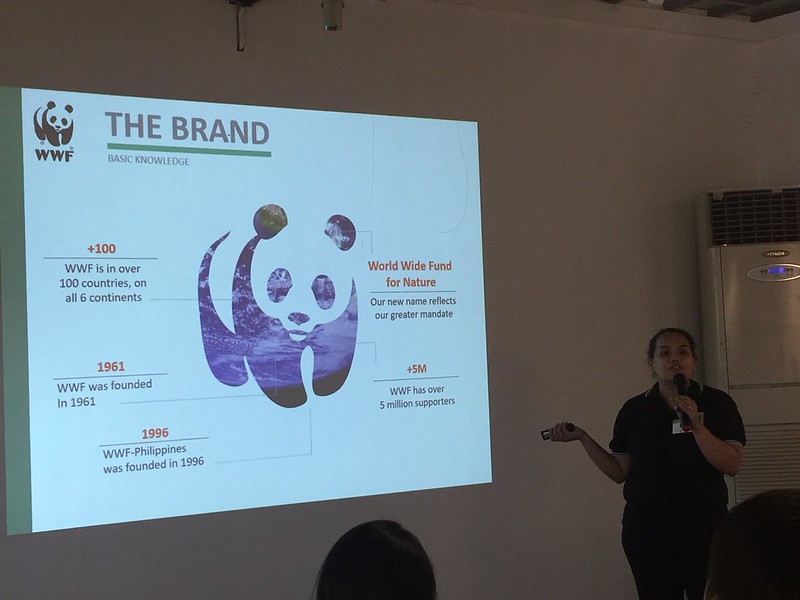
With that call to action, Melody Melo-Rijk, WWF’s Project Manager for Sustainable Consumption and Production in the Philippines, welcomed participants from Quezon City to the launch of the Savour Planet workshop’s new theme – No Place for Waste.

Recognizing the importance of educating Filipino diners on various ways of how they can help lessen food waste, WWF-Philippines, through its pioneer project on sustainable consumption and production, The Sustainable Diner: A Key Ingredient for Sustainable Tourism, has launched the 2019 run of its flagship media trip series at Earth Kitchen Katipunan – a restaurant dedicated to supporting local farmers and indigenous communities through the promotion of the farm-to-table concept. As the project’s flagship series, Savour Planet aims to empower and educate Filipino diners, partners from the media, the academe, as well as fellow non-government organizations and food security projects on the importance of sustainable food systems and sustainable dining. While last year’s theme, Cooking with a Purpose, focused on establishing an intimate connection between diners and the food that they eat through cooking, the new theme aspires to take that connection further by empowering diners to explore different avenues by which they can help keep the food on their plates from being wasted.

“All over the world, 1/3 of the food produced never reaches our plates every single year. Food waste is never okay. We have to instill this in the minds of our consumers because it is morally and socially unacceptable for us to waste food”,’ says Melo-Rijk, who opened the workshop by giving a brief introduction of The Sustainable Diner project and the context as to why the project was conceptualized in the first place. “When we talk about restaurants, food waste would also mean wasting money. There are hidden costs to food waste, some of which include labor cost, energy cost, disposal cost, and other added costs related to biodegradable waste management.”

To illustrate the gravity of the manner by which we waste food, Melo-Rijk brought to attention a source of food waste which most people usually contribute to without fully knowing its implications: ugly produce. The term “ugly produce” refers to produce that are misshapen, undersized, discolored, bruised, or in possession of unusual spots. These kinds of produce are usually ignored by the market, who would opt to go for “perfect-looking” items believing that they would taste better and would contain more nutrients than their bruised and battered counterparts. Melo-Rijk was quick to dispel this common perception. “When it comes to fresh produce, the ugly is just as good as the pretty in terms of taste and nutrition. Food safety is not based on outside appearances – for as long as the inside is not compromised, these food items should be safe to eat”,’ says Melo-Rijk. “Certain studies even promote that ugly produce can sometimes be more nutritious because most of them are organically farmed, with no alterations in terms of the nutrients that they contain. When we buy ugly produce, we help prevent food waste.”

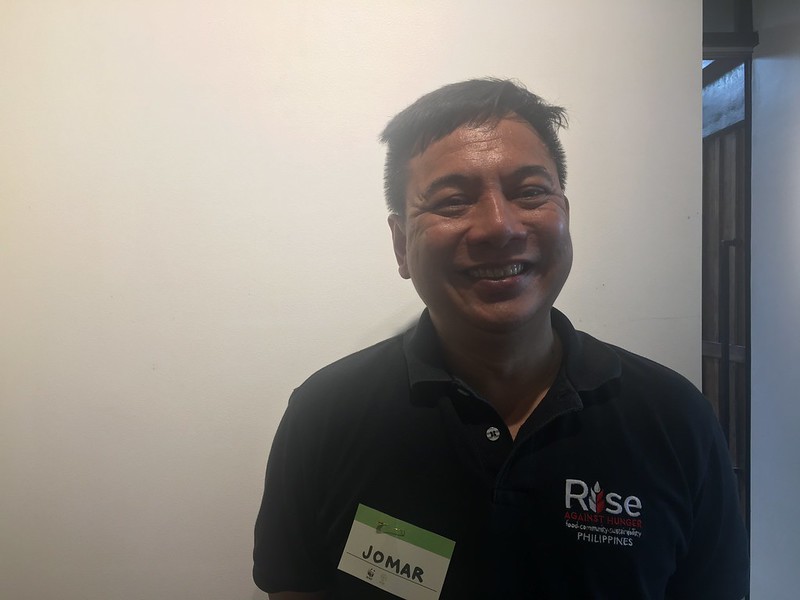
Jomar Fleras, the Executive Director of Rise Against Hunger Philippines, then talked about the hunger situation in the Philippines, with an emphasis on the role of food banks in both the alleviation of hunger and the rescuing of food that would otherwise be thrown away. He opened to the participants the option of food donation as a viable means of decreasing instances of food waste in their daily lives and contributing to the greater goal of sustainable development. “To those who are familiar with the Sustainable Development Goals, we know that at the very core of these goals is the capability to ensure food security at the household level. When it comes to SGD 2, which is Zero Hunger, there is absolutely no compromise. There are no reduction targets, plain as day, we need to end global hunger”,’ says Fleras. “With existing policy frameworks in the Philippines that encourage the donation of food for charitable purposes, food banking becomes a vital platform to the attainment of SGD 2 and the prevention of further food waste. With Rise Against Hunger Philippines and the Good Food Grocer, our mission is to provide nutritious and safe food to nutritionally at-risk individuals and families.”
Zero Food Waste, WWF-Philippines

Aside from donating food to avoid food waste, there is also much talk about the ways in which we manage our waste. Waste management is becoming a big problem, especially in developing countries like the Philippines where consumption in various forms, including food, has risen tremendously. Proper waste segregation can prove to be instrumental in salvaging food from our landfills, especially when 52.31% of our solid waste consists of biodegradables, which includes food waste and garden waste. This is where Solu comes in, and their Lead Strategist, Pang Delgra, made a great case on why our waste management systems need to innovate to keep up with the times. “The current waste management system is broken. People want to segregate, but they know the effort is futile when everything is just being brought to the same landfill anyway”,’ says Delgra.
“As a platform that connects all market participants and incentivizes citizens to sell their segregated waste materials, Solu enables Filipinos to make money from their waste and to help the environment through sustainable waste disposal”.

Zero Food Waste, WWF-Philippines

The micro-talks ended with a presentation on bokashi composting, led by Rina Papio, Founder of Greenspace by introducing the participants to the concept of bioremediation, or the use of biological organisms to break down environmental pollutants and solve environmental problems, Rina was able to paint a clear picture on how microorganisms can turn food waste into nutrient-rich compost that will help keep our soils healthy. “Bokashi composting is a great way for individuals to divert food waste away from our landfills. With the help of beneficial microorganisms, we can turn food waste into healthy soil and keep it from polluting the Earth”,’ says Papio. “With bokashi composting, anyone can create their own green space in just four easy steps. Just collect your food waste and layer it with bokashi bran, tightly seal your bokashi bucket to allow for anaerobic fermentation, mix your fermented food waste with soil, and then after four weeks, you will already be able to use the compost you made in your garden.” During the actual demonstration, the participants gamely participated in the afternoon bokashi workshop, where they learned first-hand how they can help regenerate the soil and even grow their own food using repurposed food waste in the form of bokashi compost. Afterwards, The Sustainable Diner team surprised the participants with a giveaway of 5 bokashi composting kits. The lucky winners will use these kits to start off and write about their composting journey.

Zero Food Waste, WWF-Philippines

By emphasizing to Filipino diners the need to reduce food waste and by introducing them to different food waste reduction and diversion techniques and platforms, WWF-Philippines hopes to foster a greater consciousness when it comes to addressing the effects of business-as-usual food consumption and production patterns. Sustainable dining is not just about the food that we are about to consume in the moment, but also about the food that we will leave behind. With innovation, ingenuity, and inspiration, it is possible to prove that here in the Philippines, there really is just no excuse nor place for food waste.

Zero Food Waste, WWF-Philippines

About WWF:

WWF is one of the world’s largest and most respected independent conservation organizations, with over 5 million supporters and a global network active in over 100 countries. WWF’s mission is to stop the degradation of the Earth’s natural environment and to build a future in which humans live in harmony with nature, by conserving the world’s biological diversity, ensuring that the use of renewable natural resources is sustainable, and promoting the reduction of pollution and wasteful consumption.

WWF-Philippines has been successfully implementing various conservation projects to help protect some of the most biologically-significant ecosystems in Asia since its establishment as the 26th national organization of the WWF network in 1997.

About SCP and The Sustainable Diner:

The Sustainable Diner project of WWF-Philippines aims to contribute to improving the
implementation of sustainable consumption and production (SCP) and lessening food wastage in the country. WWF-Philippines wants to engage the government, food service businesses, and consumers so they will support sustainable dining practices and help make the Philippines’ food service industry more environmentally friendly.

The Sustainable Diner project, under Sustainable Consumption and Production, is part of the International Climate Initiative (IKI). The Federal Ministry for the Environment, Nature Conservation, and Nuclear Safety (BMU) supports this initiative on the basis of a decision adopted by the German Bundestag.

For more details about WWF-Philippines and its initiatives, visit wwf.org.ph.

Details provided by WWF-Philippines in a recent press release.

Check out my posts related to conservation and the environment: