If you’re on the lookout for a place that beautifully reinvents Filipino cuisine, where the heartwarming flavors of home-cooked Filipino dishes intertwine with a dash of innovation, well, nestled in the vibrant Eastwood City neighborhood, is your ultimate destination for an unforgettable dining experience that brings classic Filipino flavors to new heights.
That is Locavore Kitchen + Drinks.
History and Mission
The story of Locavore is one of culinary passion and a commitment to reinventing Filipino cuisine. Four couples, including the dynamic Speedy and Alta Lyttle, teamed up with the daring and talented chef Kel Zagguire. Their vision? To take the comforting essence of home-cooked Filipino food and transform classic staples into something that appeals to a broader and more diverse palate.
Locavore’s journey began along Brixton Street in Kapitolyo, Pasig City, becoming a haven for locals in search of a community bistro within months of opening. With its playful and unique menu that still stays within the essence of straightforward Filipino flavors, Locavore became the place where you can enjoy “Filipino food you wouldn’t be able to eat at home.”
Unique Approach to Filipino Cuisine
At the core of Locavore’s identity lies an unyielding dedication to employing exclusively fresh, locally sourced ingredients, nurtured and cultivated by nearby farmers and growers. This devotion extends to fostering strong relationships within the local agricultural community, resulting in every mouthful being not just audacious and adventurous, but also naturally organic and environmentally sustainable. This holistic approach stands as a heartwarming gesture of reciprocity, echoing their commitment to empowering local businesses and embracing a more connected culinary ecosystem.
My Family’s Brunch Experience
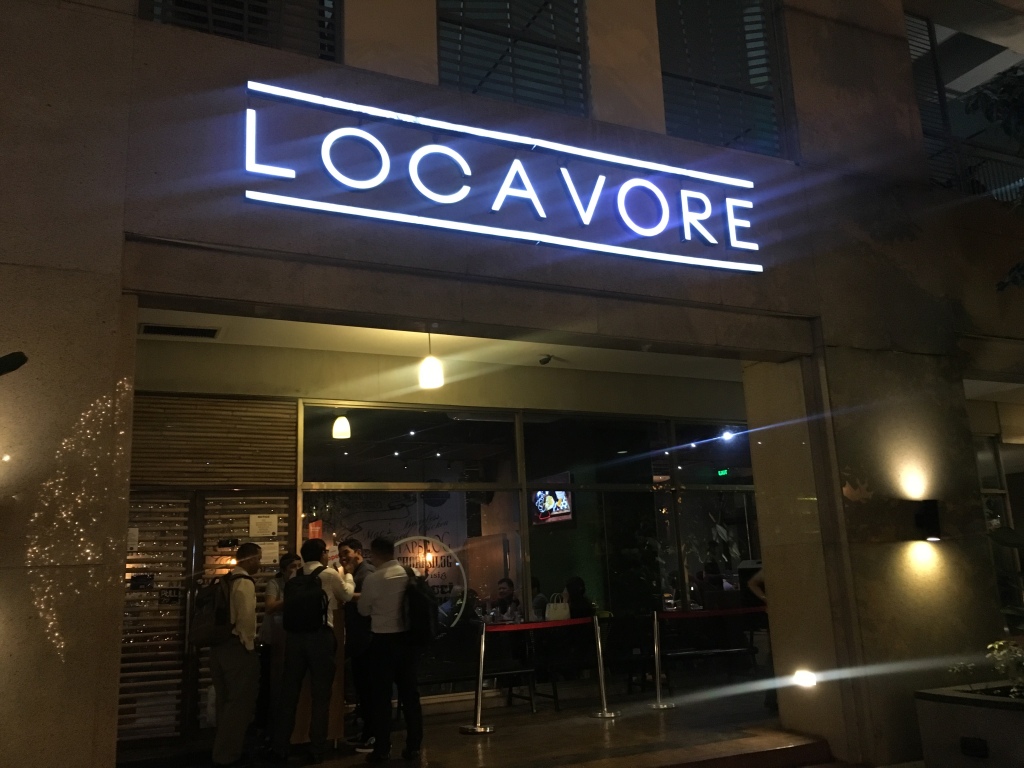
One fine Sunday morning, after the family has attended mass, brunch seemed like a great idea. Given the fam’s developing taste for foodie adventures, we decided to dine at Locavore’s Eastwood branch.
In this restaurant with a chic hispter vibe, we found modernity and creativity in equal measure. The sleek interior design set the stage for an extraordinary meal. Its high ceiling and floor-to-ceiling windows that let in lots of natural light give a sense of spaciousness. For diners who prefer to enjoy their meal in the open air, Locavore offers an al fresco dining area where they can savor their food amidst the relaxed atmosphere of Eastwood’s surroundings.
For our Sunday brunch, the fam and I feasted on:
Salted Egg Chips (Php445). A tantalizing creation of thinly sliced taro coated in salted egg puree, topped with quesong puti and a zesty salsa, serving as a great start to our meal!
Boneless Lechon Belly (Php800). A nod to Cebu’s finest, served with pinakurat vinegar and bagoong, complemented by pickled cucumber.
Sizzling Sinigang (Php680). Locavore’s most famous dish, boasting tender beef cubes and vegetables served sour and garlicky on a sizzling plate. This is definitely a family favorite and not a dish to be missed!
Dining at Locavore is an experience that encapsulates the heart and soul of Filipino cuisine while weaving in innovative twists. So, whether you’re seeking something entirely different or yearning to rediscover a beloved favorite, Locavore is the answer. Gather your loved ones and embark on a culinary journey that tickles both your imagination and palate.
Head over to Locavore Kitchen + Drinks at Ground Floor 1880 Eastwood Ave Building, Eastwod City, Bagumbayan, Quezon City, open daily from 10am to 10pm. For inquiries and reservations, call +63 917 5120159.
Other Locavore branches are located at:
10 Brixton Street, Barangay Kapitolyo, Pasig City (+63 917 6842014)
Want to take a break from the stresses of city life? How about a Pinoy-style staycation at Paradizoo Theme Farm?
Thanks to its Banig and Breakfast lodgings, Paradizoo’s visitors can enjoy a unique and authentic way to experience rural life in the Philippines.
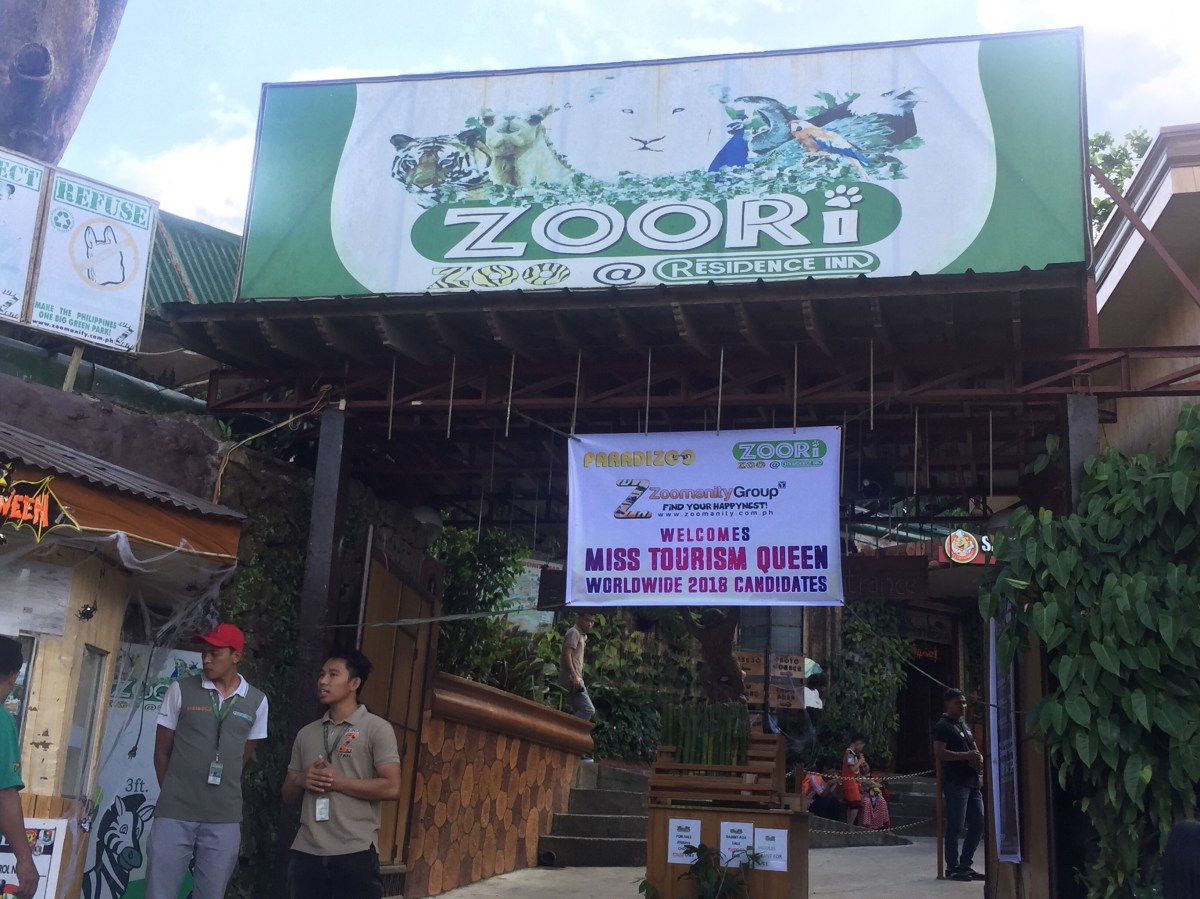
Paradizoo Theme Farm is a 12-hectare theme park located in Mendez, Cavite which offers a combination of paradise and zoo which is uniquely relaxing and entertaining. Its Banig and Breakfast lodgings allow guests to enjoy comfy and nature-inspired accommodations while taking advantage of the park’s peaceful and relaxing environment, fresh air and beautiful scenery.
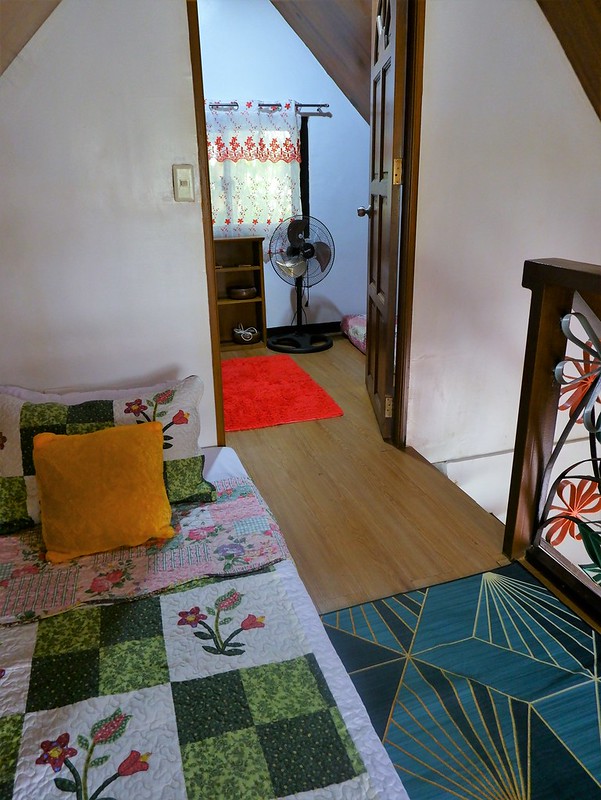
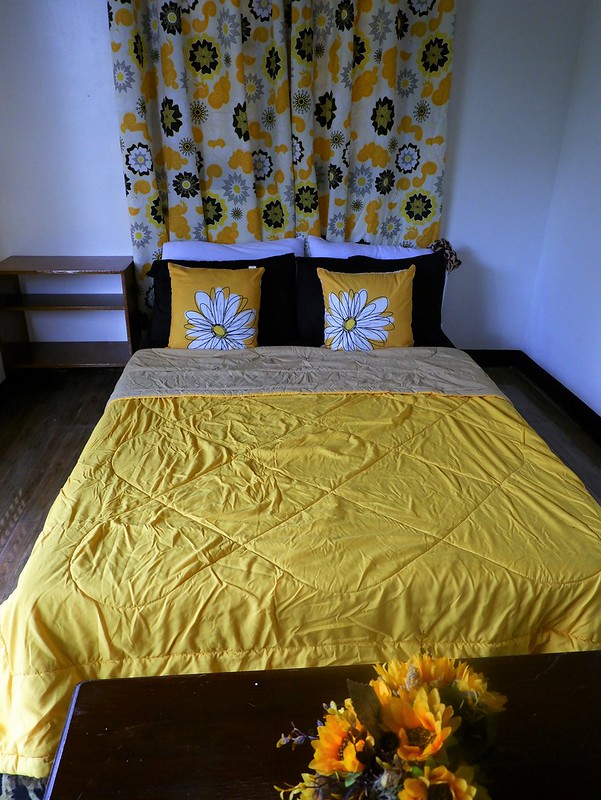
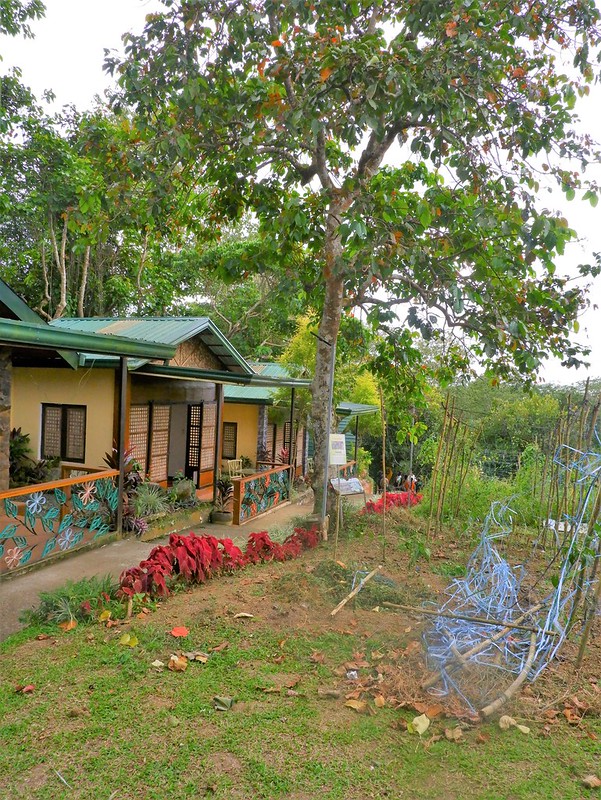
The Banig & Breakfast rooms are designed to give visitors a cozy and rustic feel of traditional Filipino living, with bamboo furnishings and floral-themed decor. Here are some reasons why you should consider staying at Banig & Breakfast during your visit to Paradizoo.
Tranquil Surroundings
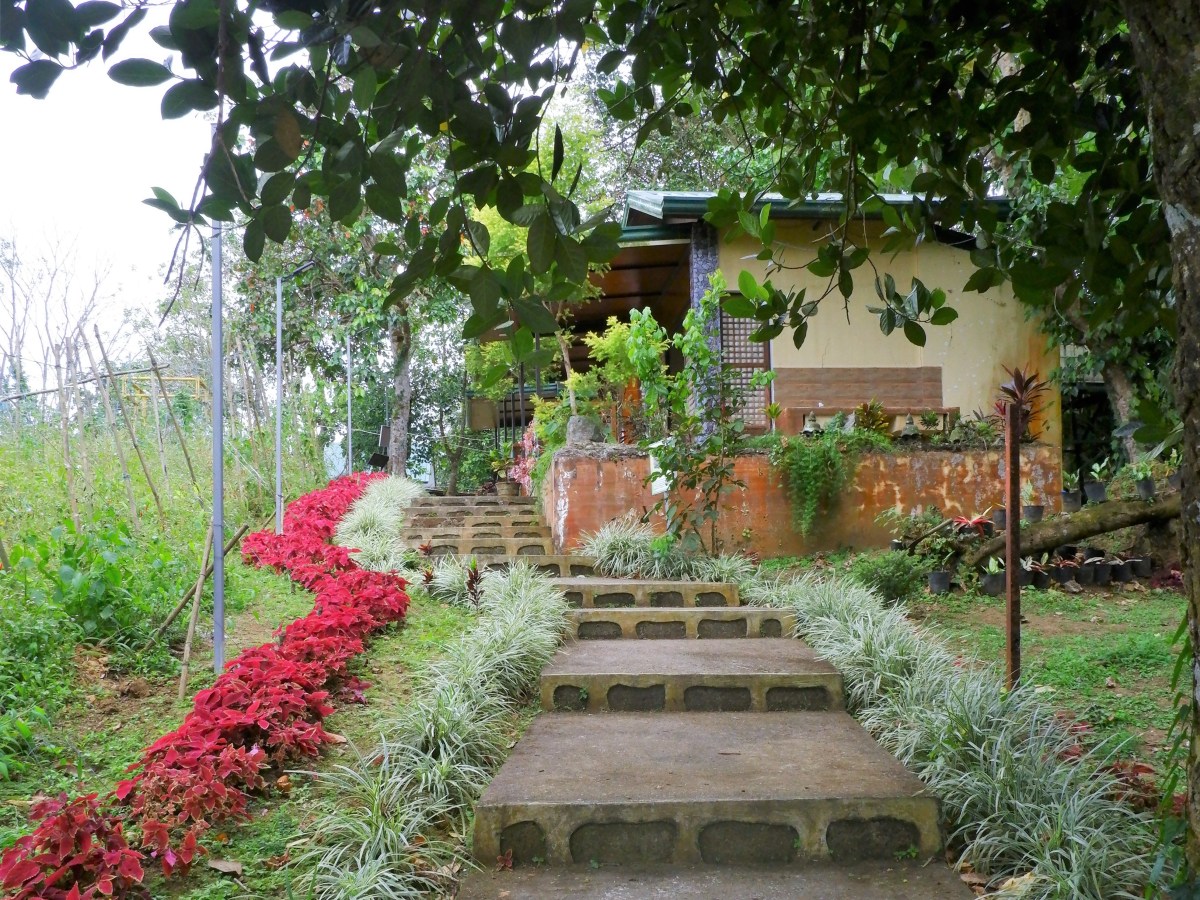
The Banig and Breakfast rooms are located in a secluded and peaceful area of the farm, surrounded by lush greenery and a serene environment. Visitors can relax and unwind in the tranquil surroundings of the farm, falling asleep to the sound of gentle breezes and awaking to sweet birdsong.
A-Frame Exteriors
A-Frame Living and Dining Areas
A-Frame Sleeping Areas
A-Frame Receiving Area
Authentic Accommodation
The Banig and Breakfast rooms are designed with Filipino culture in mind and give visitors a glimpse into traditional Filipino living with airy rooms and simple furnishings. Staying at Banig and Breakfast offers Paradizoo visitors an immersive cultural experience.
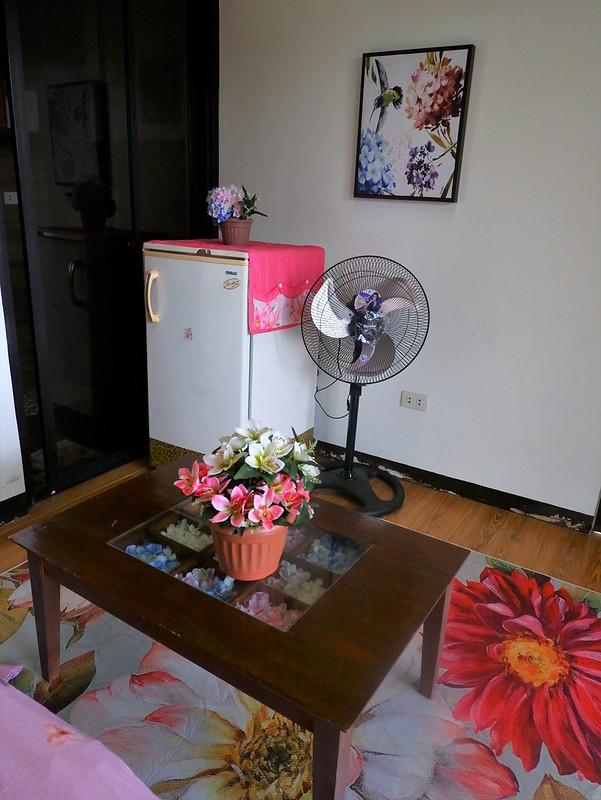
Tiny House 1 Living Area
Tiny House 1 Living Area
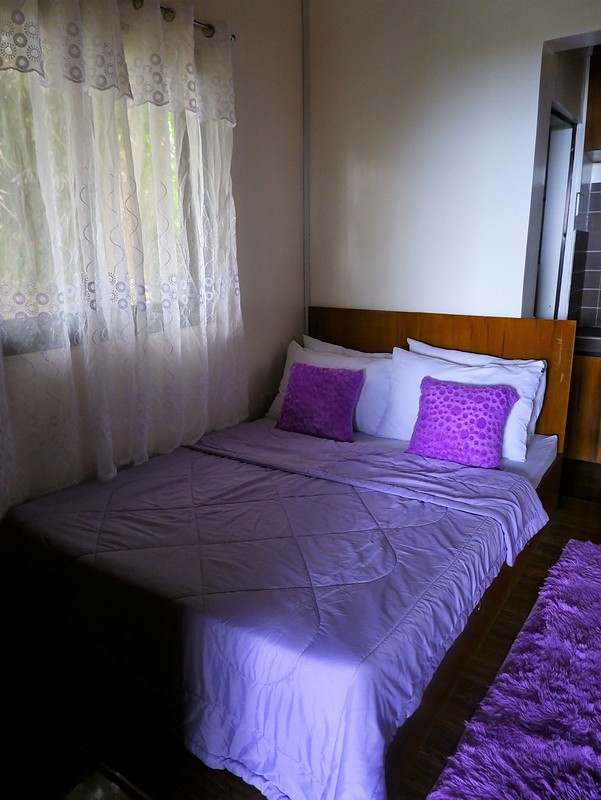
Tiny House 1 Bedroom
Tiny House 1 Bedroom
Affordable Pricing
The Banig and Breakfast package is affordable and offers great value for visitors. The package includes accommodation, breakfast, and farm activities, making it a cost-effective option for visitors who want to experience a somewhat off-the-grid, rural life in the Philippines.
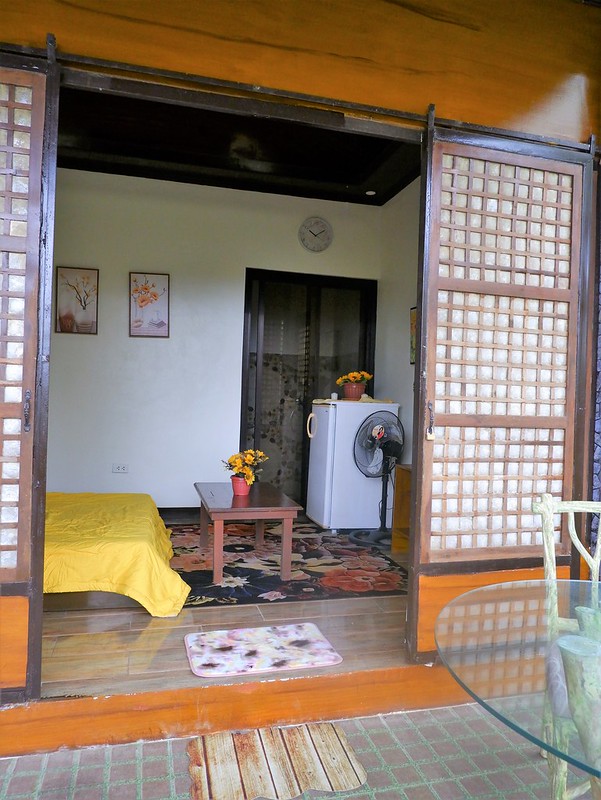
Tiny House 2 Outdoor Seating
Tiny House 2 Living Area
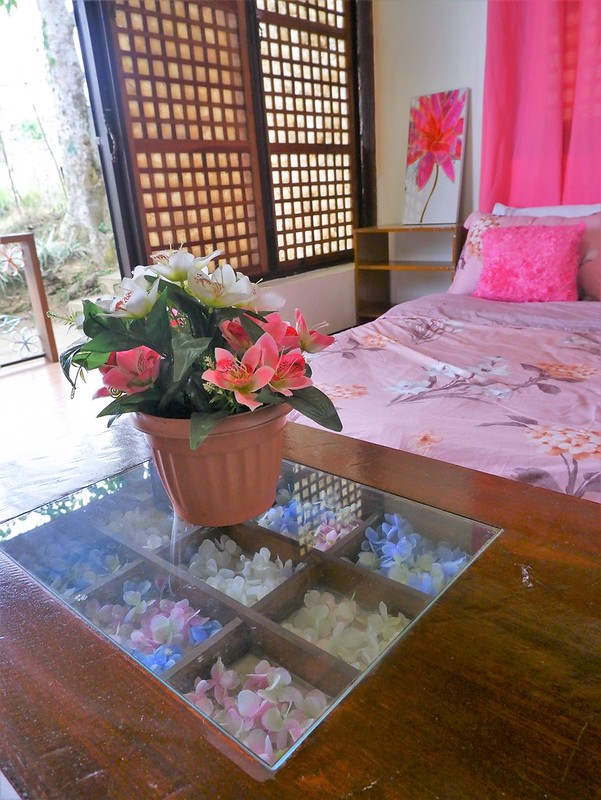
Tiny House 2 Bedroom
Tiny House 2 Bedroom
Check out its budget-friendly rates:
Log Cabin (Php6,999, good for six persons). With free entrance to ZOORI and Paradizoo plus free breakfast for four people.
A-Frame (Php5,990, good for six persons). With free entrance to ZOORI and Paradizoo plus free breakfast for four people.
Tiny House 1 (Php3,990, good for four persons). With free entrance to ZOORI and Paradizoo plus free breakfast for two people.
Tiny House 2 and 3 (Php1,999, good for two people). With free entrance to ZOORI and Paradizoo plus free breakfast for two people.
Extra persons are charged Php700, inclusive of free entrance to ZOORI and Paradizoo, plus free breakfast.
From Tiny House 3 Outdoor Seating
Tiny House 3 Living Area
Tiny House 3 Bedroom
Tiny House 3 Bedroom
Fresh Farm-to-Table Food
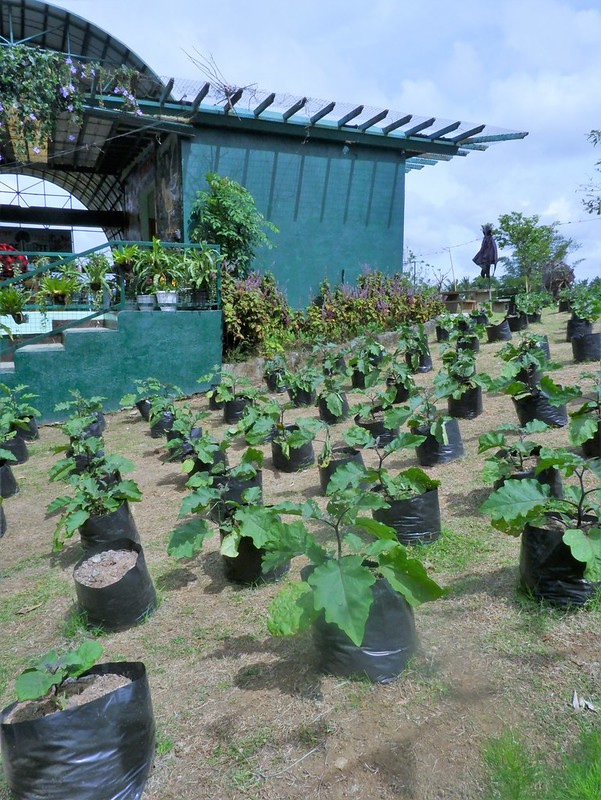
The Banig and Breakfast package includes a delicious breakfast made with fresh produce from the farm. Visitors can enjoy a healthy and delicious meal while taking in the tranquil surroundings of the farm.
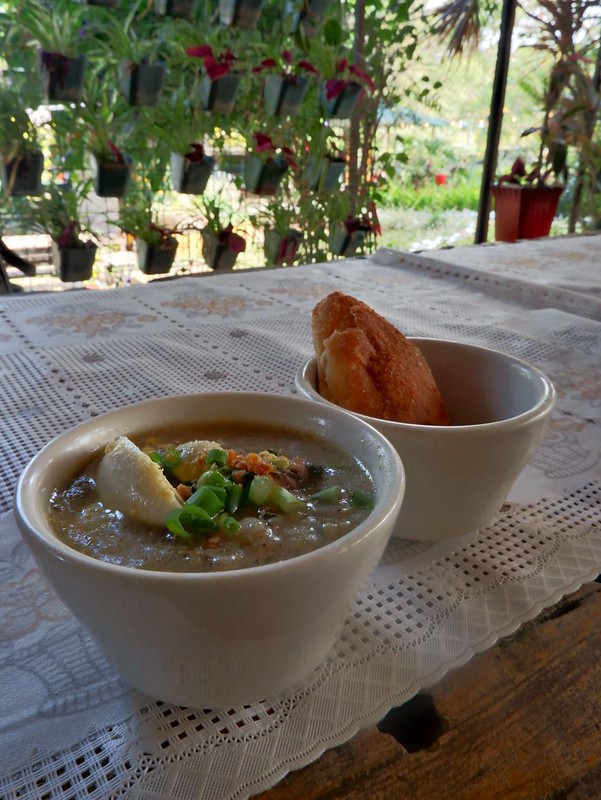
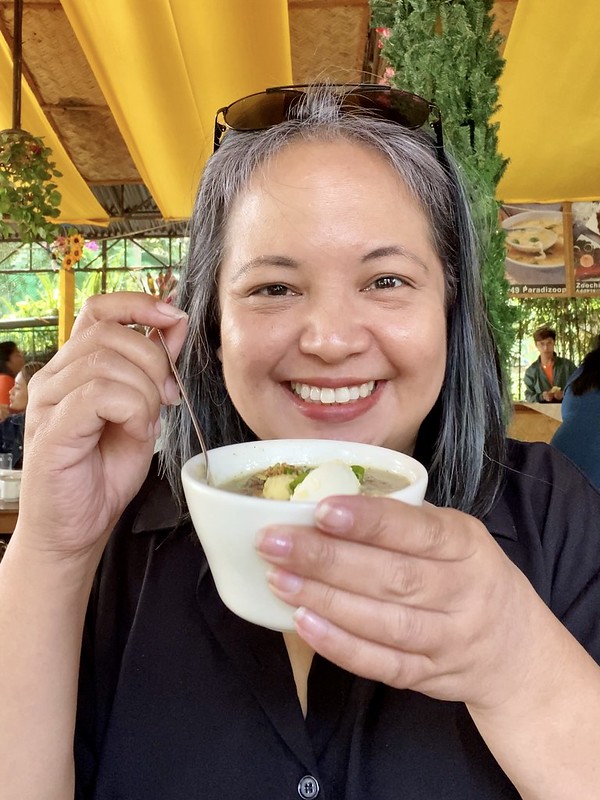
ParadiZoup, a version of arroz caldo made with edible starchy seeds called sorghum instead of rice
Zoompia, Paradizoo’s version of the Vegetable Lumpia
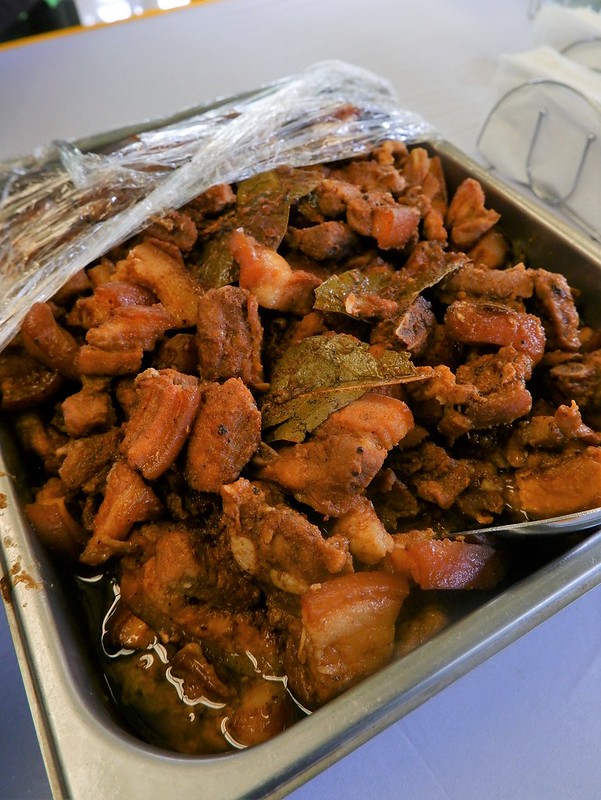
Adobo sa Puti, the Bicolano version of adobo that does not include soy sauce
Sinaing na Tulingan, a Batangueno braised fish dish
Farm Activities
Guests can participate in a range of farm activities, including animal feeding, vegetable picking, and horseback riding. There are also workshops on sustainable farming practices and organic agriculture. The activities offered at Paradizoo give visitors the opportunity to experience farm life and learn about sustainable agriculture.
Staying at Paradizoo’s Banig and Breakfast is a unique and authentic way to experience rural life, enjoy fresh and healthy food, and immerse yourself in Filipino culture. The tranquil surroundings, farm activities, and authentic accommodation make it a great choice for visitors who want to disconnect from the city and reconnect with nature. Book your stay here for an unforgettable farm experience.
Paradizoo Theme Farm is operated by the Zoomanity Group, a leading provider of theme parks and attractions in the Philippines, with a focus on sustainable tourism and responsible animal care.
It is located at Km. 63, Panungyan, Mendez, Cavite, open daily from 8am to 5pm.
Here’s a tip: you can get discounted ticketsto Paradizoo Theme Farm by signing up for a free YOGO customer account and booking via the YOGO PH app (download now on Google Play or the App Store).
Entrance rate for adults is Php199/head while for children within 3 feet- to 4 feet in height is Php149/head. Entrance for children below 3 feet is free while senior citizens and PWDs are afforded 20% discount upon presentation of ID.
Additional fees for activities include:
Animal Feeding: Php150/set
Horse Back Ride: Php100/2 rounds
Bees & Butterfly Garden: Php30/head
Fish Spa: Php149/30 mins
Tree Planting: Php100/tree
Check out my previous posts about Zoomanity Group:
Looking for a getaway from the metro’s worsening traffic and rising temperatures? Searching for a place to experience simple pleasures, learning and healthy living?
Look no further than Paradizoo Theme Farm, a 12-hectare theme park located in Mendez, Cavite which offers a combination of paradise and zoo which is uniquely relaxing and entertaining.
Now that quarantine restrictions have been mostly lifted, you can treat yourself and the family to fun, learning and relaxation here.
Here are eight things you can do at Paradizoo Theme Farm:
1. Brush up on your farming know-how.
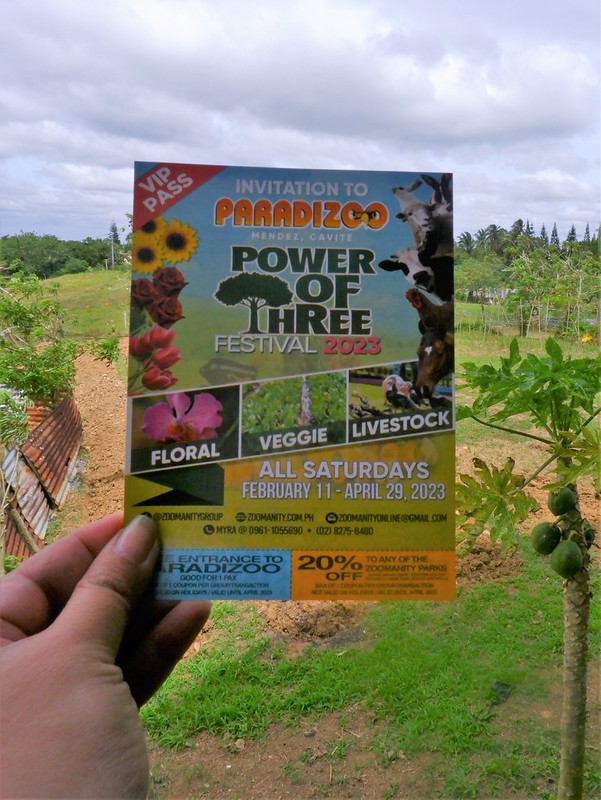
To help address the growing problem of food security in the country, Paradizoo recently re-unfolded its Power of Three Festival which aims to promote inclusive growth in the fields of floral, vegetable and livestock agriculture. Inviting over 20,000 students, farmers and other members of the public and private sectors to free seminars on flower, vegetable and livestock care, lively discussion on farming, planting, breeding programs, as well as exhibits of various farm produce, it will provide attendees with the inspiration to start a business in agriculture.
Invitation to the Power of Three Festival
Zoomanity Group President and CEO Robert L. Yupangco
Ms. Lani Lopez shares the basics of flower arrangement
Students learning about flower arrangement
You can look forward to these informative and insightful activities facilitated by well-known educators and speakers in the Agriculture sector:
February (Flower Festival Month): Art of Bonsai with Mr. Atish Dipankar Sarter (Feb 11), Flower Arrangement with Ms. Lani Lopez (Feb 18) and Idle Lands into Productive Agri-Ecotourism Farms with Mr. Ace Formaran (Feb 25)
March (Vegetable Festival Month): Successful Entrepreneur – Dragon Fruit with Ms. Eden Gutierrez Suplente (Mar 4), Let’s ONIONIZE the Philippines – Discover the Power of Onion Farming (Mar 11) and Zooper Banana Tissue Culture Technology with Mr. Rodel Anunciado (Mar 25)
April (Livestock / Digital Farming Festival Month): Rabbit Farming with Association of Rabbit Meat Producers (ARaMP) President Mr. Art Veneracion (Apr 8), Introduction to Honeybee Farming with Mr. Albee Marcia and Usapang Kawayan with World Bamboo Ambassador Dulce Punzalan and Digital Farming (Apr 22)
2. Get up close and personal with farm animals.
One of Paradizoo’s main attractions is Farm Frenzy, its animal farm where guests can interact with various domesticated animals from different areas in the country and all over the world such as Dorper sheep, Boer, Kalahari and Saanen dairy goats, Rusa and turkeys from Australia.
You can also participate in feeding and petting some of these critters while learning about their behavior and habits. You can even cuddle and purchase some of the lovable critters there such as rabbits, hamsters and love-birds to keep as pets.
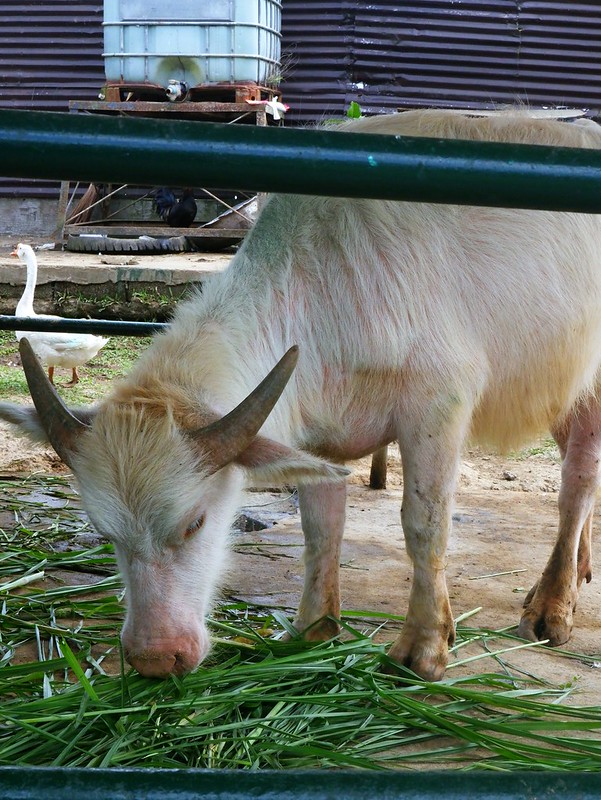
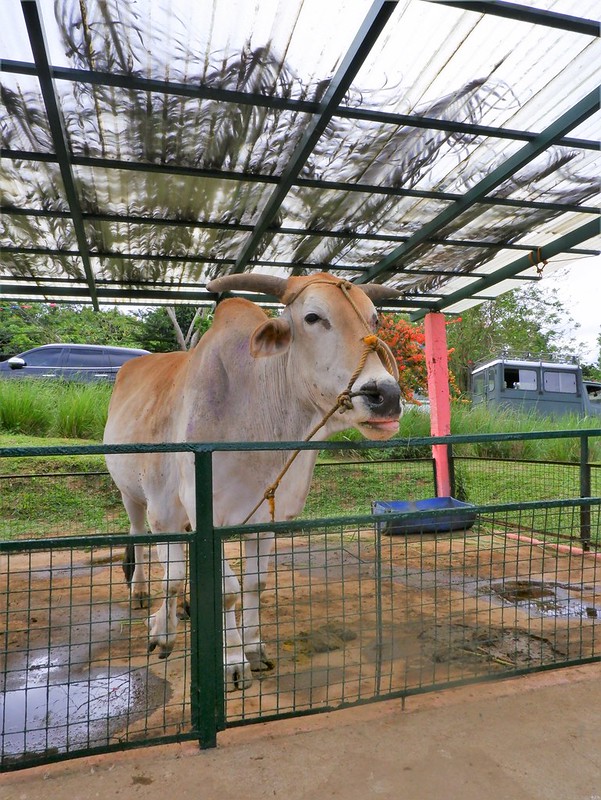
Albino Carabao
Bird Feeding
Rabbit Feeding
Bull-Tes-Five, the five-legged bull
3. Indulge your inner plant parent.
If you feel like you’re a budding plantito or plantita, then Paradizoo’s Plant Me Home area is the perfect place for you. It is the section of the park dedicated to promoting sustainable farming and educating visitors about various plants and herbs, as well as their benefits.
Here, guests can learn about buy plants and seeds as well as learn about new gardening technologies such as hydroponics (growing plants without soil). You can even participate in in tree-planting activities and contribute to the park’s efforts to promote sustainable farming practices and environmental conservation.
At Paradizoo’s Vegetable Garden, on the other hand, you can see a wondrous variety of fresh edible vegetables grown using the best practices in agriculture. You can also learn about sustainable agriculture through gardening workshops and even pick and buy vegetables from the garden to take home with you.
4. Get the buzz on beekeeping.
Paradizoo is home to a Honey Bee Farm where you can learn about the importance of bees and how they contribute to the ecosystem.
Go on a guided tour of the farm where you can observe the bees up close and learn about their behavior and role in the ecosystem. The tour also includes an explanation of the beekeeping process, how honey is produced, and the benefits of honey for human health. You can also taste and buy different types of honey produced on the farm.
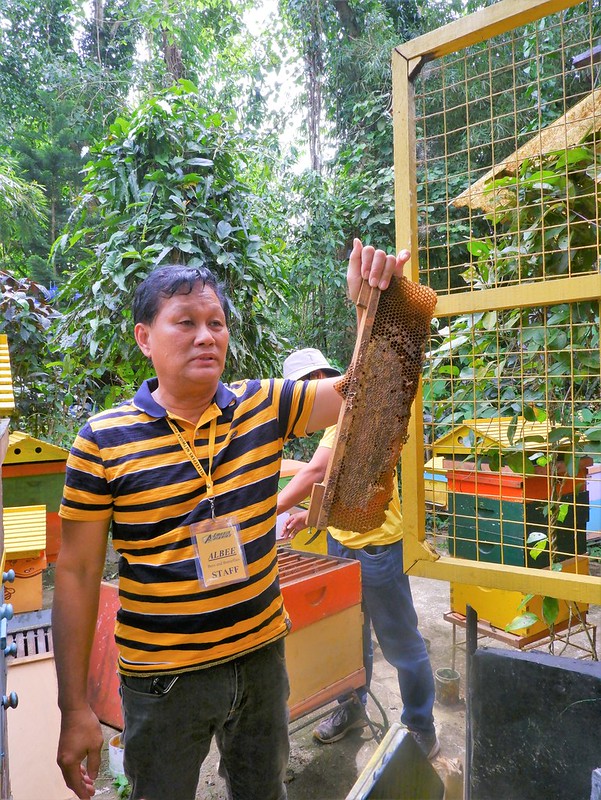
Paradizoo’s Beekeeper Albee Marcia
Beehive
Honey products
Honeycomb
5. Wonder at the grace and beauty of butterflies.
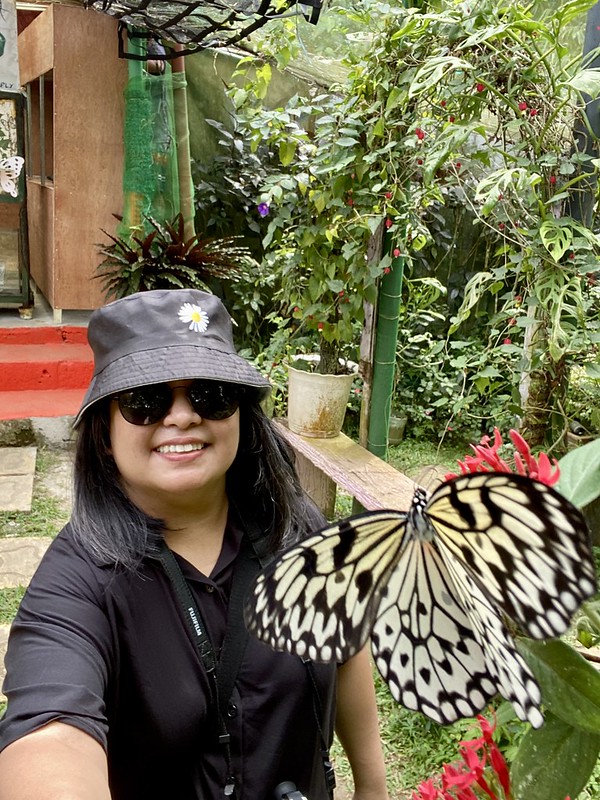
At Paradizoo’s Butterfly Garden is is a picturesque and peaceful place to visit, filled with colorful flowers, plants, and, of course, butterflies. Here, you can observe these beautiful critters in action as they fly, feed and flit from flower to flower.
You can also learn about the life cycle of butterflies – from egg to caterpillar to pupa to butterfly – as well as feed the them with nectar or fruits or witness a release of newly emerged butterflies into the garden.
6. Feast on tasty farm-grown food.
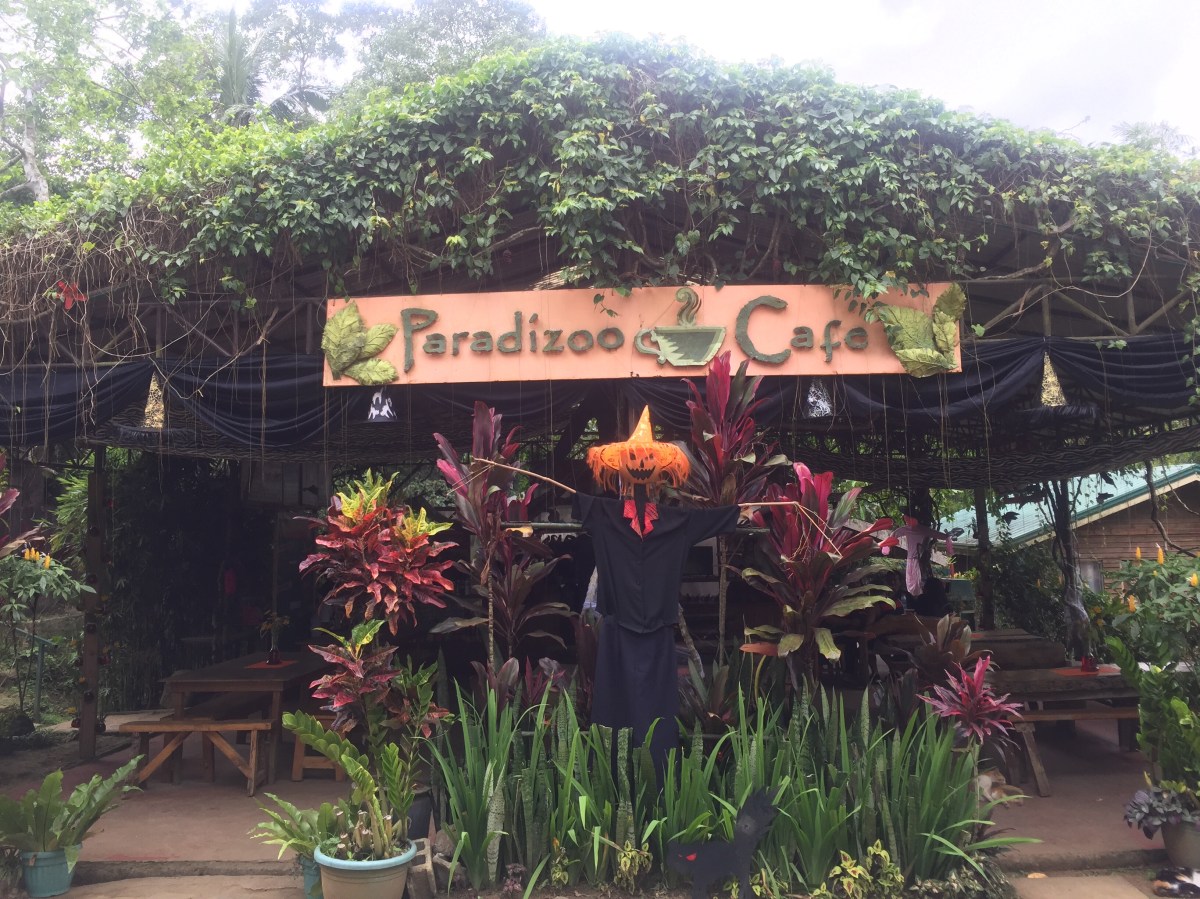
The park also houses Paradizoo Cafe, a restaurant which serves a variety of dishes made with locally grown produce and fresh ingredients. The menu features a range of Filipino and international cuisines.
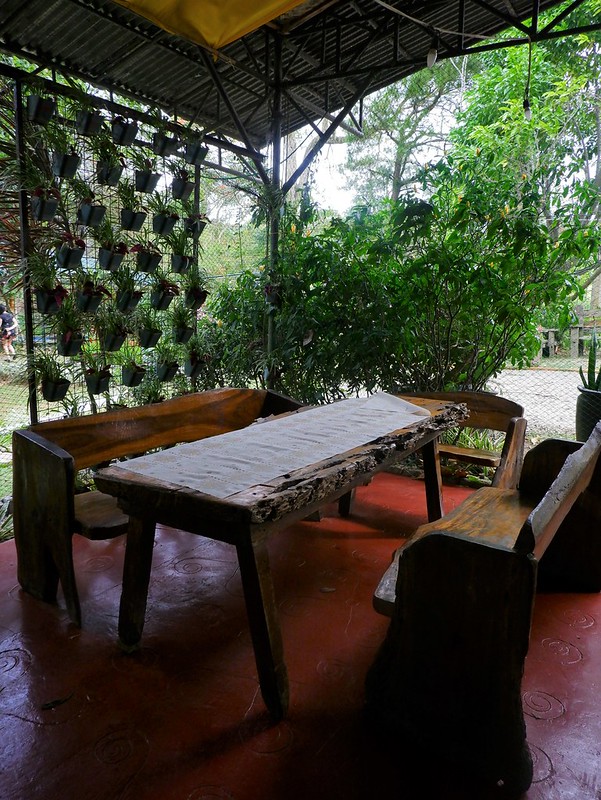
The cafe has both indoor and al fresco seating options, making it an ideal place to relax and enjoy a meal while enjoying the park’s beautiful surroundings. The outdoor seating area is surrounded by greenery, providing visitors with a dining experience in the midst of nature.
The cafe specializes in farm-to-table dishes made with fresh produce grown within the park, ensuring that the ingredients are at their peak freshness and nutritional value. It also espouses sustainable dining practices through the use of eco-friendly packaging and dining utensils.
ParadiZoup, a version of arroz caldo made with edible starchy seeds called sorghum instead of rice
Zoompia, Paradizoo’s version of the Vegetable Lumpia
Adobo sa Puti, the Bicolano version of adobo that does not include soy sauce
Sinaing na Tulingan, a Batangueno braised fish dish
7. Achieve a state of Zen.
Enter a peaceful and relaxing state of mind by visiting Paradizoo’s Meditation Garden. Here you can find de-stress, recharge, and connect with nature by taking a leisurely walk, practicing yoga, reading a book and reflect and journal while surrounded by a beautifully landscaped scenery.
8. Take a break with a relaxing farm experience stay.
A day may not be enough time to experience all that Paradizoo Theme Farm has to offer. Take advantage of the park’s peaceful and relaxing environment, fresh air and beautiful scenery by booking a stay at its comfy and nature-inspired accommodations so you will have additional time to enjoy the park’s features.
A-Frame Exteriors
A-Frame Living and Dining Areas
A-Frame Sleeping Areas
A-Frame Receiving Area
Log Cabin (Php6,999, good for six persons). With free entrance to ZOORI and Paradizoo plus free breakfast for four people.
A-Frame (Php5,990, good for six persons). With free entrance to ZOORI and Paradizoo plus free breakfast for four people.
Tiny House 1 (Php3,990, good for four persons). With free entrance to ZOORI and Paradizoo plus free breakfast for two people.
Tiny House 2 and 3 (Php1,999, good for two people). With free entrance to ZOORI and Paradizoo plus free breakfast for two people.
Extra persons are charged Php700, inclusive of free entrance to ZOORI and Paradizoo, plus free breakfast.
Row of Tiny Houses
Tiny House 1 Bedroom
Tiny House 2 Bedroom
Tiny House 3 Bedroom
Now that the city life is becoming busier and more stressful, it makes a lot of sense to escape into the beauty of nature in places such as Paradizoo every once in a while.
Paradizoo Theme Farm is operated by the Zoomanity Group, a leading provider of theme parks and attractions in the Philippines, with a focus on sustainable tourism and responsible animal care.
It is located at Km. 63, Panungyan, Mendez, Cavite, open daily from 8am to 5pm.
Book your eco-farm journey by emailing zoomanityonline@gmail.com or by calling +63 046 4131244 | +63 966 1938965. Know more about Paradizoo and other Zoomanity’s attractions at zoomanity.com.ph.
Here’s a tip: you can get discounted ticketsto Paradizoo Theme Farm by signing up for a free YOGO customer account and booking via the YOGO PH app (download now on Google Play or the App Store).
Entrance rate for adults is Php199/head while for children within 3 feet- to 4 feet in height is Php149/head. Entrance for children below 3 feet is free while senior citizens and PWDs are afforded 20% discount upon presentation of ID.
Additional fees for activities include:
Animal Feeding: Php150/set
Horse Back Ride: Php100/2 rounds
Bees & Butterfly Garden: Php30/head
Fish Spa: Php149/30 mins
Tree Planting: Php100/tree
Check out my previous posts about Zoomanity Group’s attractions:
Disclosure: Together with media personnel and fellow content creators, I was invited by the Zoomanity Group to tour and experience the attractions at the Paradizoo Theme Farm. The tour was sponsored by the company and was not paid for by the attendees including myself.
With the continuously rising prices, eating home-cooked meals in lieu of dining out is becoming more popular.
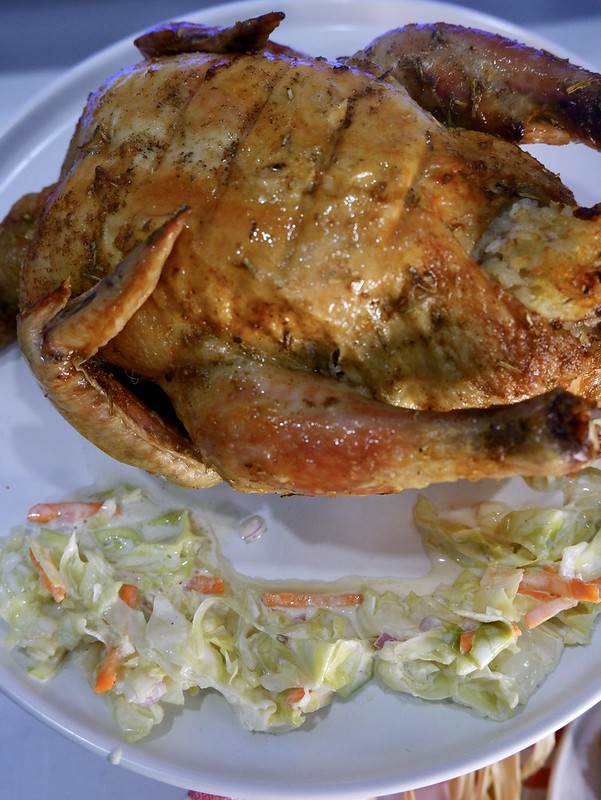
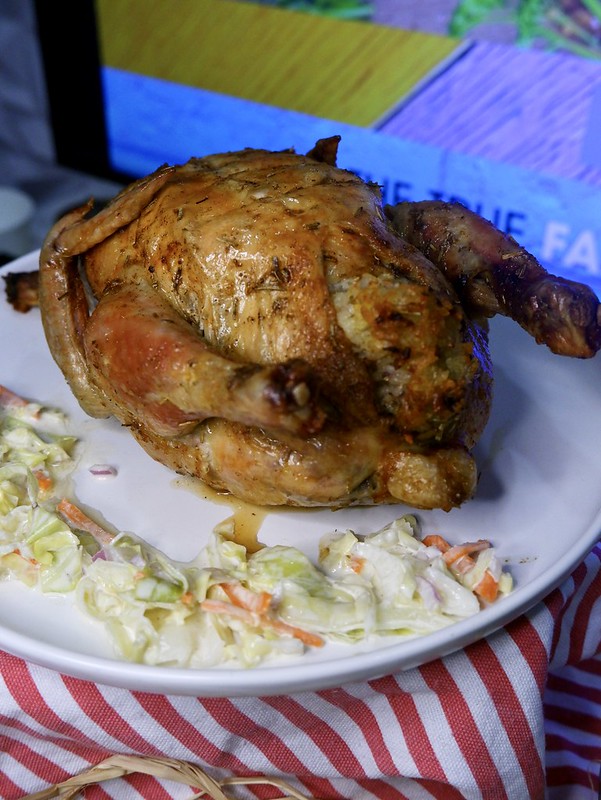
Aside from cutting costs on your food budget, home cooking also helps you choose healthy and wholesome ingredients, have greater control over preparation methods and portions, as well as practice your creativity in the kitchen.
However, one of the hurdles to be managed in home cooking involves sourcing of fresh ingredients that will help recipes turn into delicious dishes.
Fortunately, you can now turn to the Internet to conveniently shop for ingredients and have them delivered to your home.
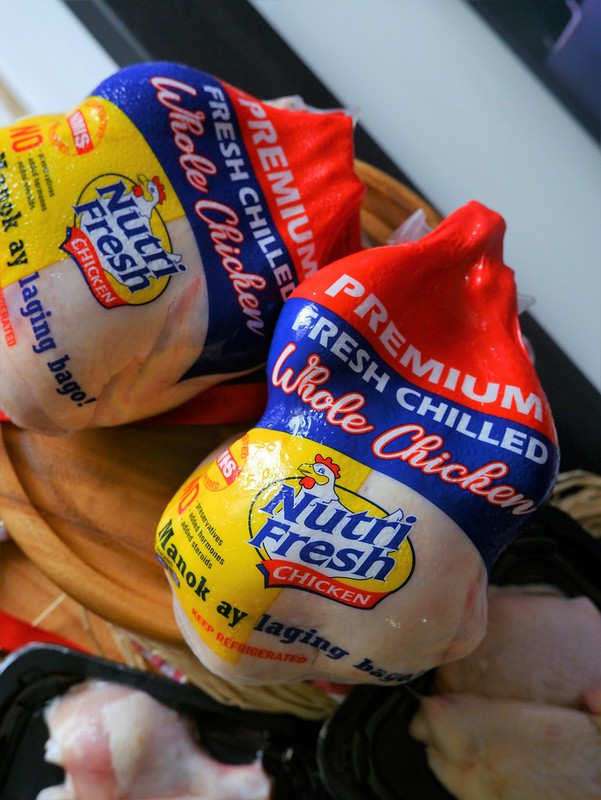
Take Nutrifresh Chicken, for example.
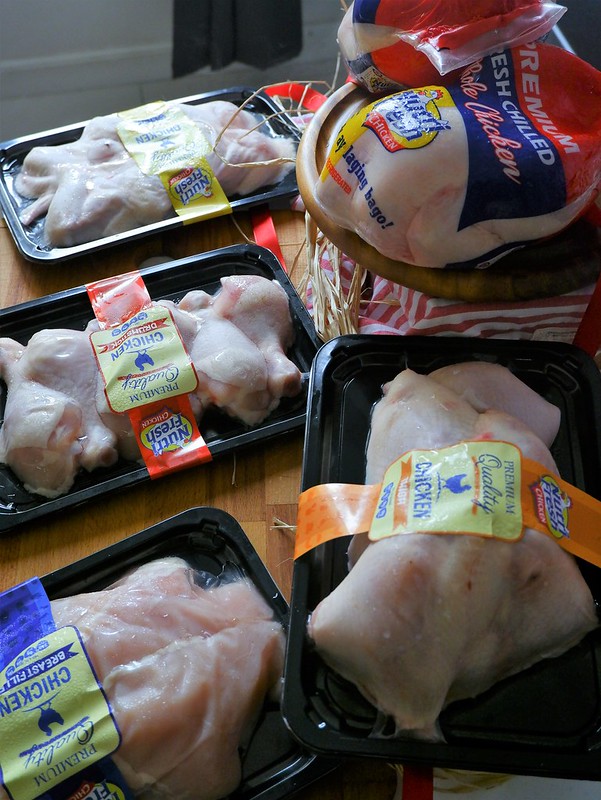
Nutrifresh Chicken is a direct producer,processor and distributor of broiler chickens which is mainly based in Southern Luzon, with branches in Cebu, Iloilo, Bacolod, Gensan, Davao and Palawan.
It carefully manages the production of its chicken products – from breeding, hatching, growing, processing to packaging and delivery – to ensure the adoption of humane practices and maintain product quality while eschewing the use of preservatives, added hormones and steroids.
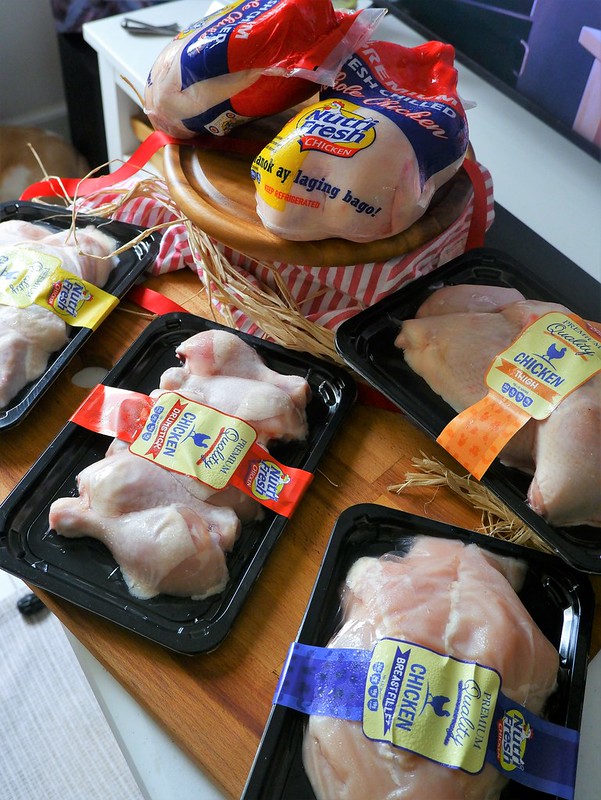
These dressed chicken selections include:
.Nutrifresh Chicken Products
Chicken Wings
Chicken Drumstick
Chicken Breast Fillet
Chicken Thigh
Whole Chicken
Nutrifresh Chicken started its venture into consumer retail just when the worldwide pandemic reared its ugly head back in 2020, challenging the company to come up with solutions to efficiently deliver its fresh and premium quality chicken products from its farms to its customers.
Then, it launched an app that enabled home cooks like to order their choices from among its various chicken selections and have them conveniently delivered right to their doorstep.
This online facility made it that much easier for home cooks to prepare nourishing and mouth-watering dishes for their families.
The app is currently being updated to improve its user experience but you can place your orders through Nutrifresh Chicken’s Facebook and Instagram accounts. When the app update is done, you can download it here.
So go online to order your Nutrifresh Chicken selections and be on your way to eating healthy and fresh!
Disclosure: Product samples were provided to facilitate this feature.
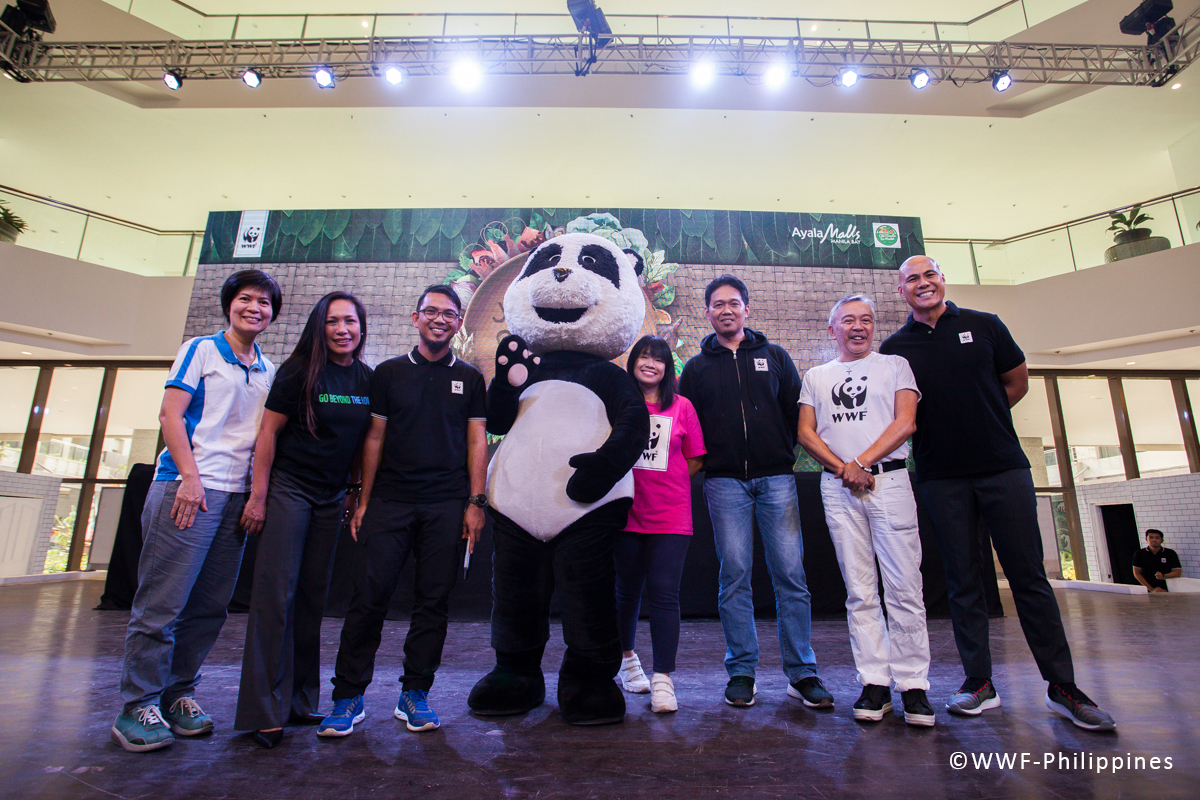
Together with Ayala Malls Manila Bay, Old Manila Eco Market, GCash, The Moment Group, Manam, and Pancake House, World Wide Fund for Nature (WWF) Philippines showcases how its different projects work together to ensure food security in the country on October 16, 2019.
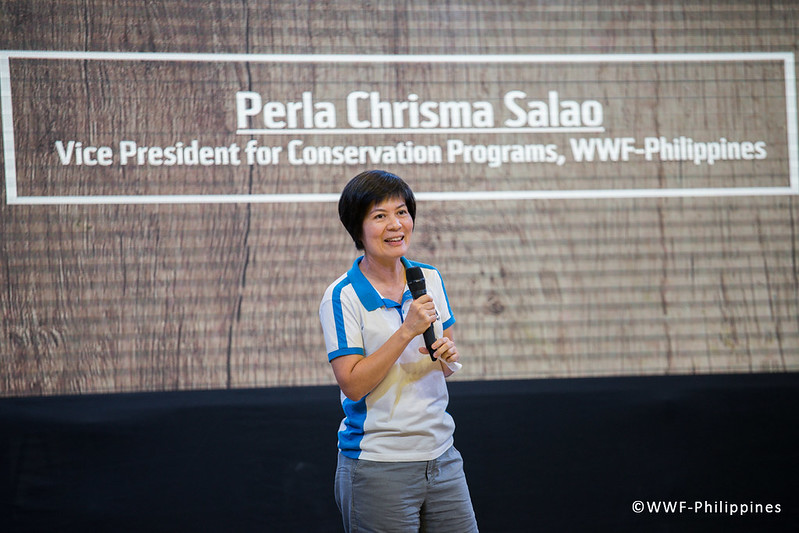
“WWF works on food security because globally, agriculture and food production are some of the biggest causes of the rapid change we are currently experiencing in our environment. In the past 50 years or so, there has been an increase in the mechanization of food production. Land conversion for agriculture affects our natural ecosystems and wildlife habitats. We need to seriously start tackling the issue of sustainable food consumption and production because it is directly linked to how we use our natural resources, which in turn affects how our climate is changing.”
This was the call to action made by Chrisma Salao, WWF-Philippines’ Vice President for
Conservation Programs, on World Food Day.
Annually, World Food Day is celebrated on October 16 in honor of the founding of the Food and Agriculture Organization (FAO) of the United Nations. For WWF-Philippines, World Food Day is a special event because food security and sustainability are major themes of the projects that are implemented locally. Food consumption and production are responsible for 29% of human-induced greenhouse gas (GHG) emissions, 60% of terrestrial biodiversity loss, and 70% of global fresh water use, making food a major contributor to the climate crisis we are experiencing today.
More importantly, the role the food industry plays when it comes to environmental protection and conservation is becoming more apparent as populations all over the world continue to increase. More people means more mouths to feed, and more mouths to feed means more produce needed to be grown. More produce needed to be grown means more forest area needed to be converted into agricultural lands as well as more seafood needed to be harvested from the oceans. And in order to support the growing human population, this means that our forests, watersheds, oceans, and cities need to be developed and cared for in the most sustainable way possible.
“The increase in population and economic prosperity have put considerable pressure on food production. There has been a dramatic economic shift in the past 30 years, so much so that nowadays, it is cheaper to eat meat compared to consuming fruits and vegetables. This is partly due to the changes in the way we produce food. The unintended consequence of the way we produce and consume food has compromised our health and the health of our planet,” Salao added.
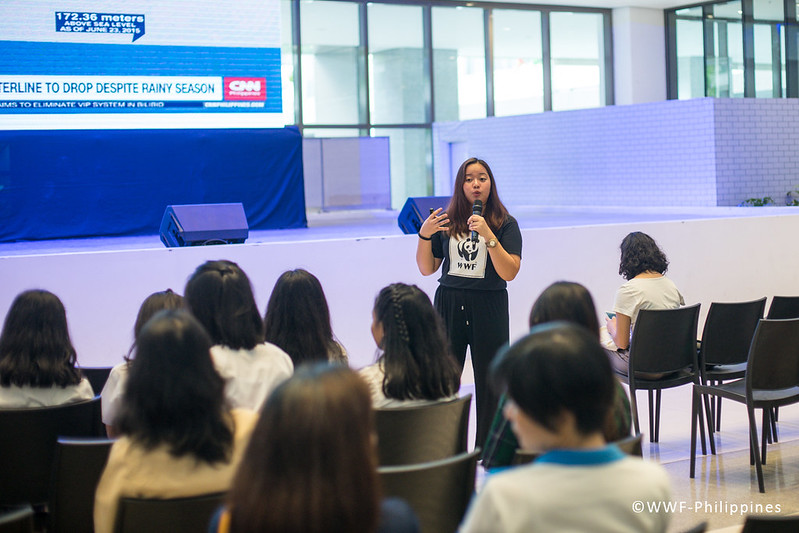
Our need for food is directly related to the health of our planet, which is why WWF-Philippines launched The Journey of Food – a World Food Day celebration showcasing the different projects of the organization and how each of these projects contribute directly to ensure food security in the Philippines. The event, held at the Ayala Malls Manila Bay and hosted by WWF National Ambassador Rovilson Fernandez, aims to help educate the Filipino people on the correlation between food production and consumption and climate change, and to present to them WWF-Philippines’ brand of conservation – one that sees our ecosystem as one living breathing entity and one that works to improve Filipino lives by crafting solutions to climate change, providing sustainable livelihood programs, and conserving the country’s richest marine and land habitats.
“The Journey of Food is the whole complex process of producing our food for the entire food value chain. It starts with our farmers down to our consumers,” said Moncini Hinay, WWF-Philippines’ Project Manager for Sustainable Food Systems. “Sustainable agriculture works to improve the capability of farmers while taking into account our natural resources. We want to empower farmers by giving them opportunities to enhance their agro-entrepreneurship skills through sustainable agriculture production, financial literacy and savings mobilization, and creation of viable agro-enterprises. By improving the income of our farmers and equipping them with knowledge on how to climate-proof their farms, we can ensure that they can continue to produce food for generations to come.”
Meanwhile, David N. David, WWF-Philippines’ Fisheries Technical Officer for the Sustainable Tuna Partnership project, provided the perspective from the lens of our local fisheries industry. “We are working on the production of sustainable tuna and so for us, the Journey of Food means tracing the journey of tuna. We are working with local tuna fishers in order to promote sustainable fisheries,” said David. “We are setting up measures for traceability and verifiability for sustainable seafood. We want to empower our fisherfolk by involving them in the management of our marine resources and by linking them with global markets for equitability. We are also connecting them with local markets – those who, in particular, want to ensure that the seafood they sell to their consumers are responsibly-caught.”
One of the major challenges when it comes to promoting sustainable food consumption and production is the difficulty that consumers encounter when asked about the relationship between their food choices and climate change. Atty. Angela Consuelo Ibay, WWF-Philippines’ Program Head for Climate Change and Energy, pointed out that actively making ourselves aware about this issue starts with how we take care of our own health. “When we are unaffected, we do not do so much. It is in our nature as humans. We need to start caring about what we put in our body because this will then make us think about our food choices – what we’re eating, where it comes from, who produced it and how. The relationship between climate change and food security is clear and we need to make our food systems climate-secure. We are still getting there but in our households, we have the power to decide and engage in sustainable practices,” said Atty. Ibay. “In cities, where convenience and the instant mentality reign supreme, the Journey of Food can be quite complicated but it doesn’t have to be. We can be urban farmers and plant food enough to sustain our households. Learning where our food comes from by producing in our own backyard will help us appreciate the process of production more. The youth sector is very important as they are in a position of influence and can vote for a more sustainable future through their food choices.”
Pamela Luber, the Integrated Marketing Communications Specialist for The Sustainable Diner project, shared her thoughts on the issue from a behavioral and cultural perspective. “There is a clear disconnect between food producers and consumers, particularly when it comes to thinking about how hard it is to produce the food that we eat. From the consumer perspective, whenever we dine out and order food, we are so focused on wanting to satiate the hunger that we are feeling and to satisfy our cravings that we often fall under the cultural Filipino trap of takaw tingin or over-ordering. More often than not, we end up producing food waste which not all of us choose to take home,” said Luber. “Whenever we waste food, we are wasting the hard work of our producers as well as the resources that went into producing it. The Journey of Food should not end up with food waste thrown in landfills. We want people to learn and to always remember that it took a lot of hands to produce the food that we enjoy and so we need to start consuming responsibly.”
Hinay and David, who are both working on the production side, shared their thoughts on the matter as well. “There is a gap when it comes to educating our consumers on food production. It’s not just about being mindful of our food choices but also realizing that empowering our farmers means empowering rural communities, which serve as lifelines for urban cities. Rapid urbanization has brought about land degradation and industrialization has contributed to extreme weather changes, all of which affecting the capacity of our ecosystems to produce food.” said Hinay. David added, “We often forget that producers are consumers too – they live in rural areas and they offer a unique point of view as rural consumers. While urban consumers don’t get to see how food is produced on a daily basis, rural consumers would historically know the changes that have historically occurred in the way we produce food and how our changing methods have affected the ecosystems that support food production. They would know this because they live in those places and they see the effects of climate change as it happens.”
In closing, the rest of the panelists offered their thoughts on how Filipinos can individually contribute to the fight for food security. “The journey starts with ourselves. Responsibly consume food by eating just enough to sustain yourself so you do not produce food waste. Cultivate food in your own household so you can also experience what it’s like to produce food. This experience will help you understand why it is so important for us to be mindful of our choices because it is very hard to produce food.” said Atty. Ibay. Luber added, “Whenever you can, buy local and support the livelihood of our Filipino farmers and fisherfolk. When dining, you can do this by supporting dishes that use local ingredients. Eat more vegetables and fruits so you can considerably lessen your meat consumption. Iced coffee and milk tea may be popular now, but it’s important for us to consistently refuse the use of single-use plastics because microplastics are already entering our diets through the food that we eat and the water that we drink. And then last, as mentioned by my colleagues, avoid wasting food. Honor the hard work of our producers and value the planet’s resources by consuming responsibly.”
WWF is one of the world’s largest and most respected independent conservation organizations, with over 5 million supporters and a global network active in over 100 countries. WWF’s mission is to stop the degradation of the Earth’s natural environment and to build a future in which humans live in harmony with nature, by conserving the world’s biological diversity, ensuring that the use of renewable natural resources is sustainable, and promoting the reduction of pollution and wasteful consumption.
WWF-Philippines has been successfully implementing various conservation projects to help protect some of the most biologically-significant ecosystems in Asia since its establishment as the 26th national organization of the WWF network in 1997.
Event details and images provided by WWF-Philippines in a recent press release.
I decided to treat a dear friend from the office to lunch at Kandle Cafe for her birthday.
Why?
Because a) it’s been years since I last ate there; b) I remember the place to be very Instagrammable and my friend and I are both IGers; and c) it’s reasonably near our office which means we can get back from our lunch break on time.
Kandle Cafe initially made a name for itself with its coffee brews and blends, given that the owners, siblings Khryss, Don King, Leslie and Eli Ong (from a play on whose names came the resto’s moniker – KANDLE), were all passionate about coffee culture.
The place is also marked by a design aesthetic that combines warm and homey interiors with nature’s beauty outside.
Along the pathway leading to the dining area, for example, abound plants and water feature installations. The steady sound of trickling water and the sight of verdant growths did have a calming effect on my work-frazzled nerves. Wood and metal furniture add a modern touch to the al fresco setting.
Inside, the sprawling space is lit with warm lighting, showcasing the fun and quirky collection of bric-a-bracs and whimsical accents.
This place is designed to be memorable, and to be a setting for great memories.
For our memorable birthday lunch, we ordered:
Chilean Mussel Pasta (Php380). Chilean mussels sauteed in a garlic and white wine sauce served on top of al dente tagliatelle and topped with grated parmesan.
Pork Tonkatsu (Php350). Tender pork loin stuffed with cheese, breaded and deep-fried to a golden brown, served with house-made teriyaki sauce, sesame cabbage salad and blue rice (yep, the color comes from the edible flower they serve it with).
For dessert, we indulged in a moist and heavenly Carrot Bar (Php100), a Lava Cookie (Php55) and a Maple Cookie with Bacon (Php80).
While the food items were definitely a sight to behold, there were hits and misses upon eating them. I think that the pork tonkatsu may be better accompanied by the sweet and peppery tonkatsu sauce rather than a teriyaki sauce which does not bring out as much of the pork’s flavor as I would like. The lava cookie, on the other hand, was lacking the rich chocolatey taste and gooey texture that I’ve come to expect.
That said, we loved the interplay of textures and flavors in the Chilean Mussel Pasta and the moist and richly sweet Carrot Bar.
The servers were also attentive and knowledgeable about their offerings, citing features or ingredients that make their dishes unique as they are serving them.
I definitely wouldn’t mind returning here for a nice and relaxed coffee break so I could try out the resto’s celebrated brews and more of its pastries.
Kandle Cafe is located at 113 Mother Ignacia Avenue, Bgy South Triangle, Quezon City, Sundays to Thursdays, 11am to 11pm and Fridays to Saturdays from 11am to 12mn. For reservations and inquiries, call +63 2 3724504. Or you can book your table via Zomato like I did. 🙂


































 Jellybeans in the City